

 SHARE:
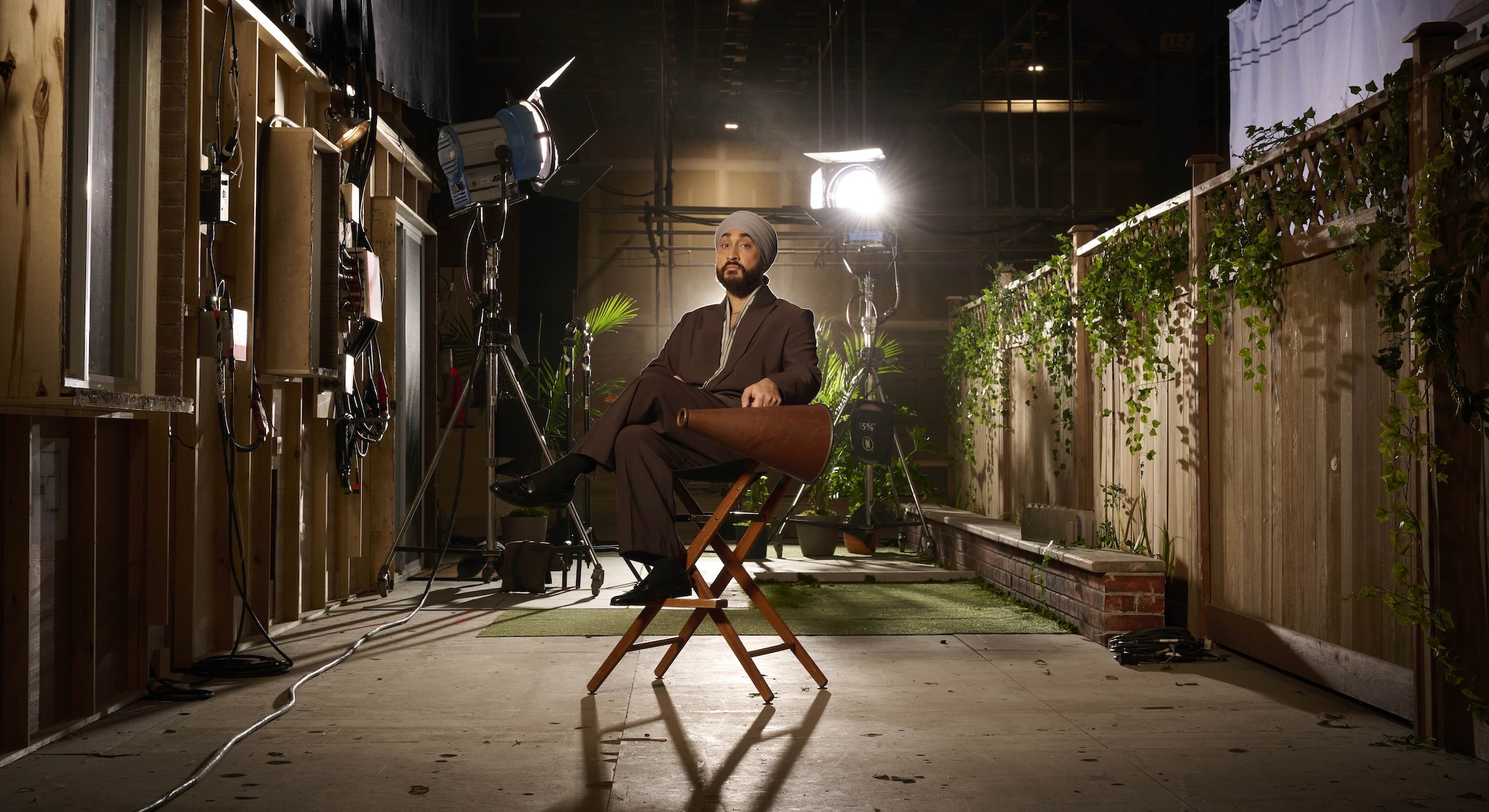
At a time when racism against South Asian people is on the rise in Canada, Jasmeet Raina’s creative output feels like a breath of fresh air. The 36-year-old comedian and actor grew up in a Punjabi Kashmiri Sikh family in Guelph, Ontario, and his hit TV series Late Bloomer started its third season on Crave this spring. Imbued with humanity, generosity and humour, the show offers an incisive look at immigration, racism, intergenerational trauma and coming of age.
Late Bloomer is a comedy series loosely based on Raina’s life as a millennial comedian and content creator navigating life with a foot in many worlds — his family, his friends, his professional life. After the series premiered in 2024, Raina was named a Canadian to watch in View the Vibe magazine’s Power 60 list. And the show picked up three prizes at the Canadian Screen Awards. In 2025, Late Bloomer won for best comedy program or series and achievement in casting, and again for best comedy series in 2026.
Where some mainstream South Asian media offers reductive tropes like the caricature of a strict parent with little insight on their child’s inner life, Late Bloomer approaches its subject matter with freshness, dimension and depth.
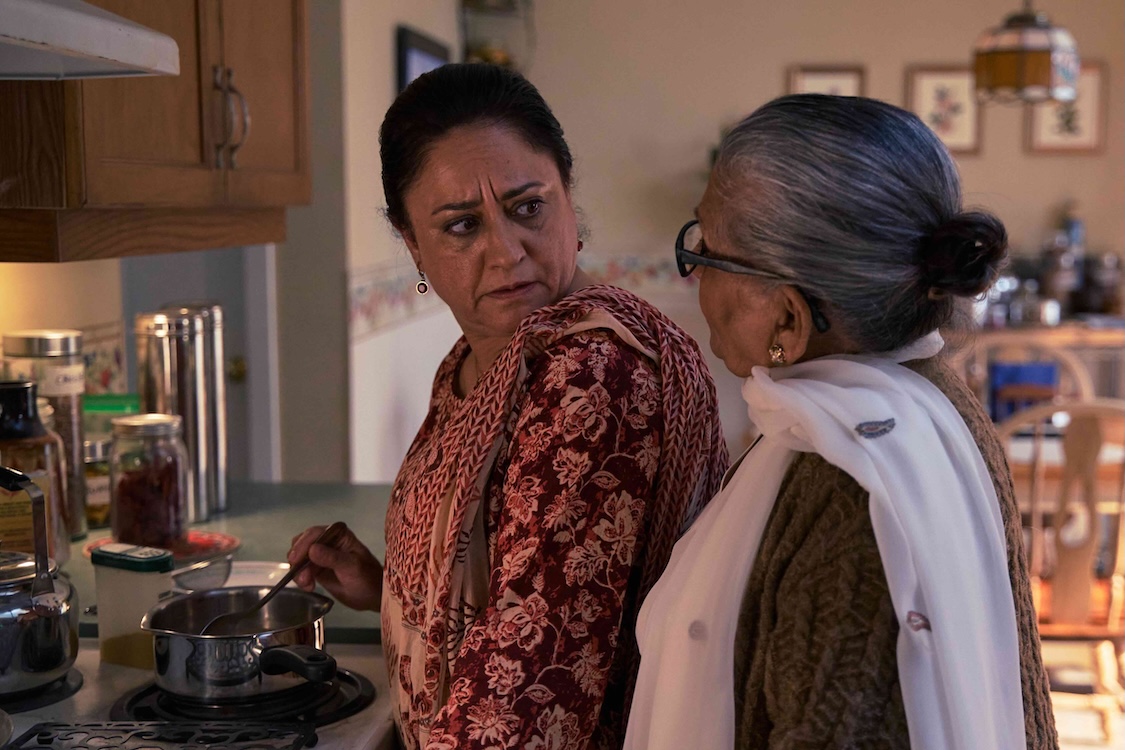
The show gives us a world of fully realized characters. There are Jasmeet’s frustrating yet loving parents Supinder and Gurdeep who struggle to understand their son, and his strict and unforgiving grandmother who comes to visit indefinitely. Meanwhile his sister Maanvi is navigating pressure to marry, and his endearing group of friends each, in their own ways, feel like late bloomers themselves.
This world is charmingly familiar and even therapeutic to watch onscreen.
Art imitates life
The third season of Late Bloomer finds Raina’s character, Jasmeet Dutta, hosting the biggest bhangra competition in North America. Onstage, Jasmeet offers a playful if somewhat tropey set. He knows exactly what jokes to tell for the crowd, though the material doesn’t feel particularly compelling to him as a comedian.
“I just feel like I’m on autopilot at these things,” Jasmeet tells his friend over the phone later that night when she asks how it went. When she encourages him to experiment with new crowds and new materials, he’s resistant. “What else am I supposed to do?” he replies.
It’s an internal struggle with which Raina, as a writer and comedian, is all too familiar. Conversations like the one between Jasmeet and his friend in the show are drawn from real experiences, Raina told The Tyee.
Before Late Bloomer, he was an in-demand YouTuber who was often called upon to host Punjabi competitions and festivals himself. He would accept these gigs while grappling with a perpetual desire to do work that felt bigger and more aligned with his voice.
Known then as Jus Reign, Raina amassed millions of views on YouTube in the 2010s with his satirical sketch-comedy skits that explored nuances of his life and experiences as a first-generation Punjabi Canadian. His videos resonated with the global Punjabi diaspora and beyond. They spoke to the specificities and quirks of our culture in a way that was otherwise difficult to find in mainstream media.
At the time, Raina felt intense pressure from the online world to be on even bigger stages than he already was on — to prove that his work had rapid and visible mobility towards white spaces.
“As a South Asian creator, you’re always compared to somebody else,” he said. “It was such crazy exposure therapy I went through, and I had to come to terms with the fact that I wanted to make art that is longer lasting, and more impactful than what I was doing.”
Directing with an eye on cultural nuances
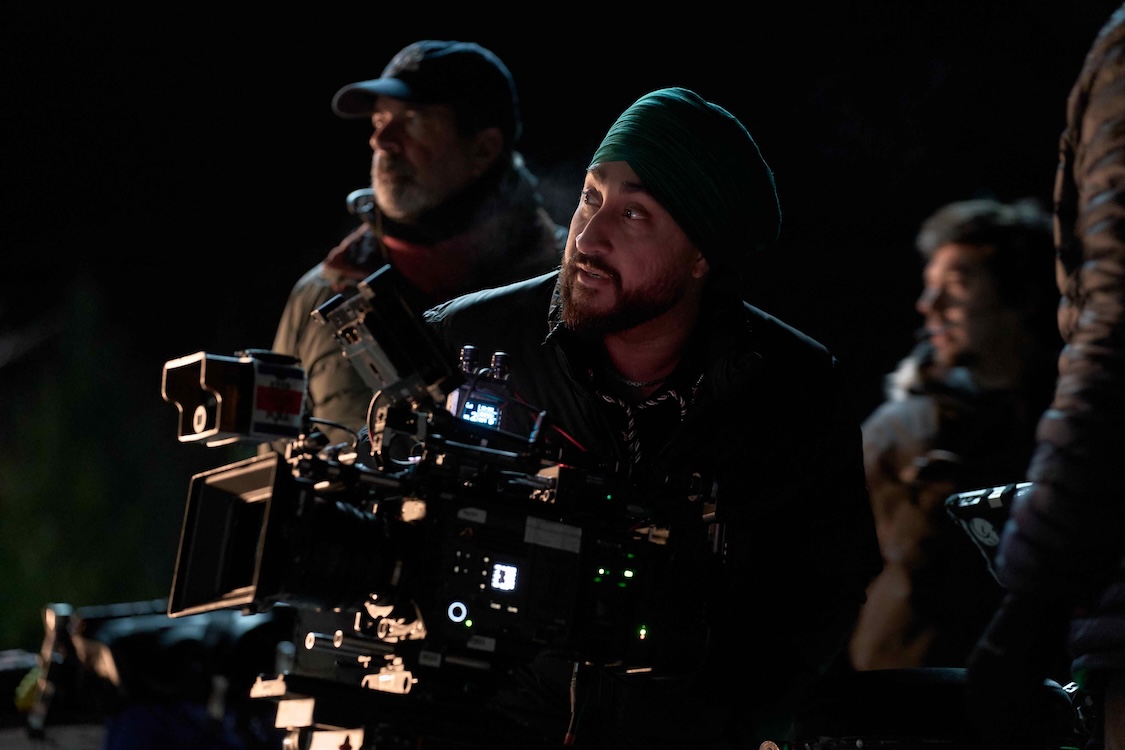
Now that Late Bloomer is well into its third season, Raina juggles several roles to execute a show that is layered, meaningful, complex and representative of the lived experiences of his community. In addition to starring in the show, Raina serves as executive producer, co-showrunner, writer and is deeply embedded in the editing process. It’s demanding, he says, but worth it.
This season also marks Raina stepping further into his role as a director. He directed four episodes this season.
“Directing feels very natural to me because with YouTube, I directed everything. It gave me a very good understanding of how I want things to come together,” he explained. With a significant amount of the show switching frequently between Punjabi and English, there is immense value in communicating between takes in Punjabi to foster a welcoming environment on set, he said.
“There are cultural nuances that a director that’s maybe not a part of the community wouldn’t quite understand,” Raina said.
As a creator used to the scrappier world of YouTube, Raina’s directorial style leans into encouraging play and improv, with the goal of capturing dialogue that feels natural.
“It’s hard because we have limited time [in the production process], but on YouTube we had the luxury of no deadline,” he said. “I don’t want it to feel like a TV show. I just want the scenes to feel like real life.”
Stepping into a new digital era
It’s no longer the same digital world in which Raina first found his footing. He came up in the 2010s, when sketch videos and “vlogs” were comedians’ calling cards. That’s entirely different from today, where 24/7 livestream content creation dominates online spaces.
In Late Bloomer, Raina was keen to explore the growing popularity of algorithm-addled livestreams and how they shape the way young people, especially young men, engage with identity and politics.
“Streaming is instigating,” Raina said. “[Streamers] try to instigate the craziest moments to farm those clips and gain traction.” The immediacy of the format, he explained, strips nuance and thoughtfulness from the content that people are consuming.
“There’s no time to think with this fast-paced content creation that streaming has become now,” he said. “No one is really getting canceled for stuff these days, so the more outrageous [in this format], the better.”
As a creator who scripts and shoots material, this world still feels foreign to Raina. There’s a ridiculousness to it that felt compelling to explore given its emergence in recent years.
When Raina’s character in Late Bloomer joins a livestream with a popular South Asian creator named Prem (played by TikTok darling Prayag Mishra), Jasmeet is baited into a heated conversation.
By the end of the episode, Raina’s character has a meltdown on the livestream with an outburst about his involvement in a movie that paints him in a problematic light.
After storming off, Prem follows him out to cheerfully thank him and invite him back to the stream in the future.
“That was one of our most viewed streams ever,” Prem tells Jasmeet. “It’s going to get clicks for days.”
Telling stories with care
Conversations around representation in mainstream media can feel hollow and tired when they run the risk of prioritizing tokenization over meaningful change in how racialized communities and subcultures are depicted onscreen.
In the first season, Raina explored his relationship with his religious identity as a turban-wearing Sikh man, questioning its significance in his own life. Last season, a standalone episode gave a compassionate look at the lives of international students in Canada facing layers of exploitation, discrimination and heightened scrutiny.
It’s a difficult line to walk as a prominent creator from a racialized community. Where there’s pressure to represent the community in an overwhelmingly positive light, there’s also a risk of community pushback when being critical of intracommunity dynamics. For Raina, tackling trickier community nuances always comes from a place of care.
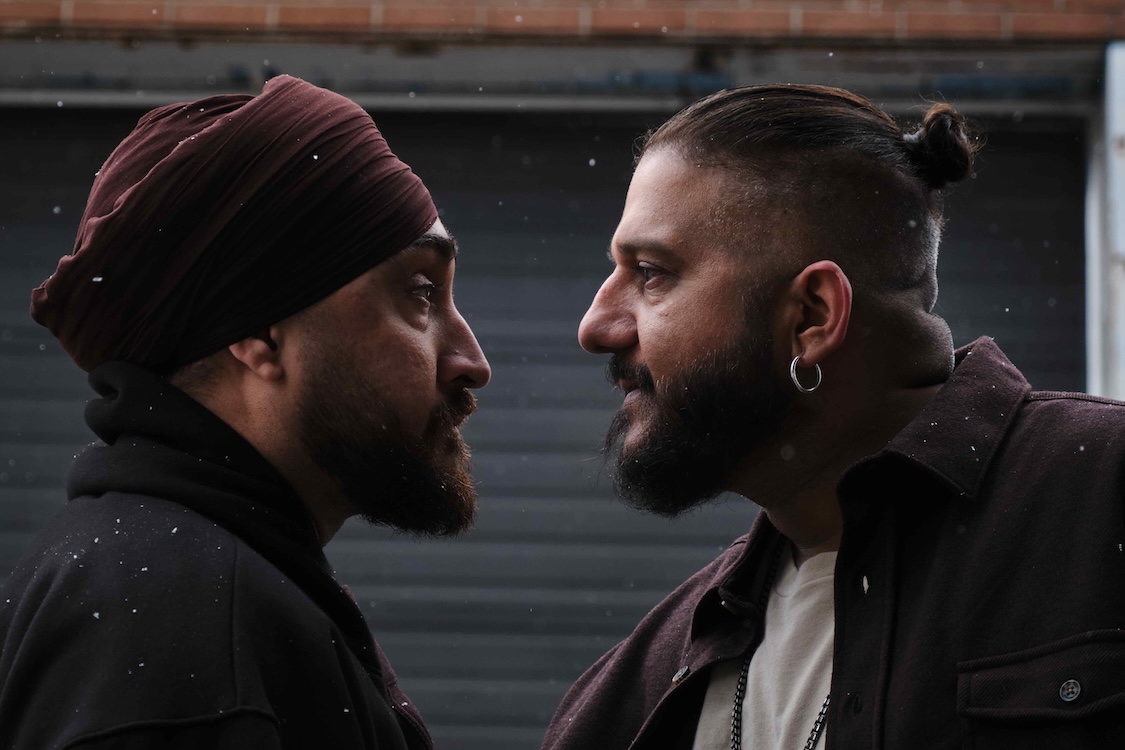
In the third episode of this season titled Rainbow Card, Raina explores homophobia within the South Asian community. When his character pushes to make his first role in a Punjabi language film more progressive, Jasmeet accidentally inspires the creator to take an exploitative turn that reinforces harmful stereotypes about queer couples. By the end, Jasmeet walks out of the movie because participating in it would mean compromising on his values.
“It was a real battle to put in the show because I was so discouraged to even talk about it,” Raina said. At one point, he even thought of giving up on the episode. But then a real film director pitched him a movie identical to the one he sought to satirize in the episode.
“I remember thinking to myself, we have to do this because this is a reality,” he explained. “I want to shed light on this. Everybody wants to be who they truly are, but our culture defines who they think they should be.”
Raina is able to approach the episode with nuance and specificity in a way that isn’t punching down on his own community, but instead calls for a shift in perspective rooted in radical acceptance.
One of the many things that makes Late Bloomer so refreshing is its commitment to not only amplify the vibrancy of Punjabi-Canadian culture, but also its willingness to engage with commonly held community narratives from a critical lens.
Raina is keen on continuing to expand the world of Late Bloomer. Three seasons in, he is passionate about creating work with longevity that speaks to the diversity of experiences within and outside the Punjabi Canadian community. This season, he said, feels the closest to the vision he’s been building in his head for the last year. The goal is to keep bringing that vision to life.
“I’m not necessarily trying to achieve glittery success [with the show],” Raina said.
“With every season I want to lean in the direction of making cooler, worthwhile, and meaningful art that has a real impact.”
‘Late Bloomer’ is streaming on Crave. ![[Tyee]](/design-article.thetyee.ca/ui/img/yellowblob.png)
Read more: Media







Tyee Commenting Guidelines
Please note that email notifications for replies are not currently working due to a software issue which may be resolved in a future update.
Comments that violate guidelines risk being deleted, and violations may result in a temporary or permanent user ban. Maintain the spirit of good conversation to stay in the discussion and be patient with moderators. Comments are reviewed regularly but not in real time.
Do:
Do not: