

 SHARE:
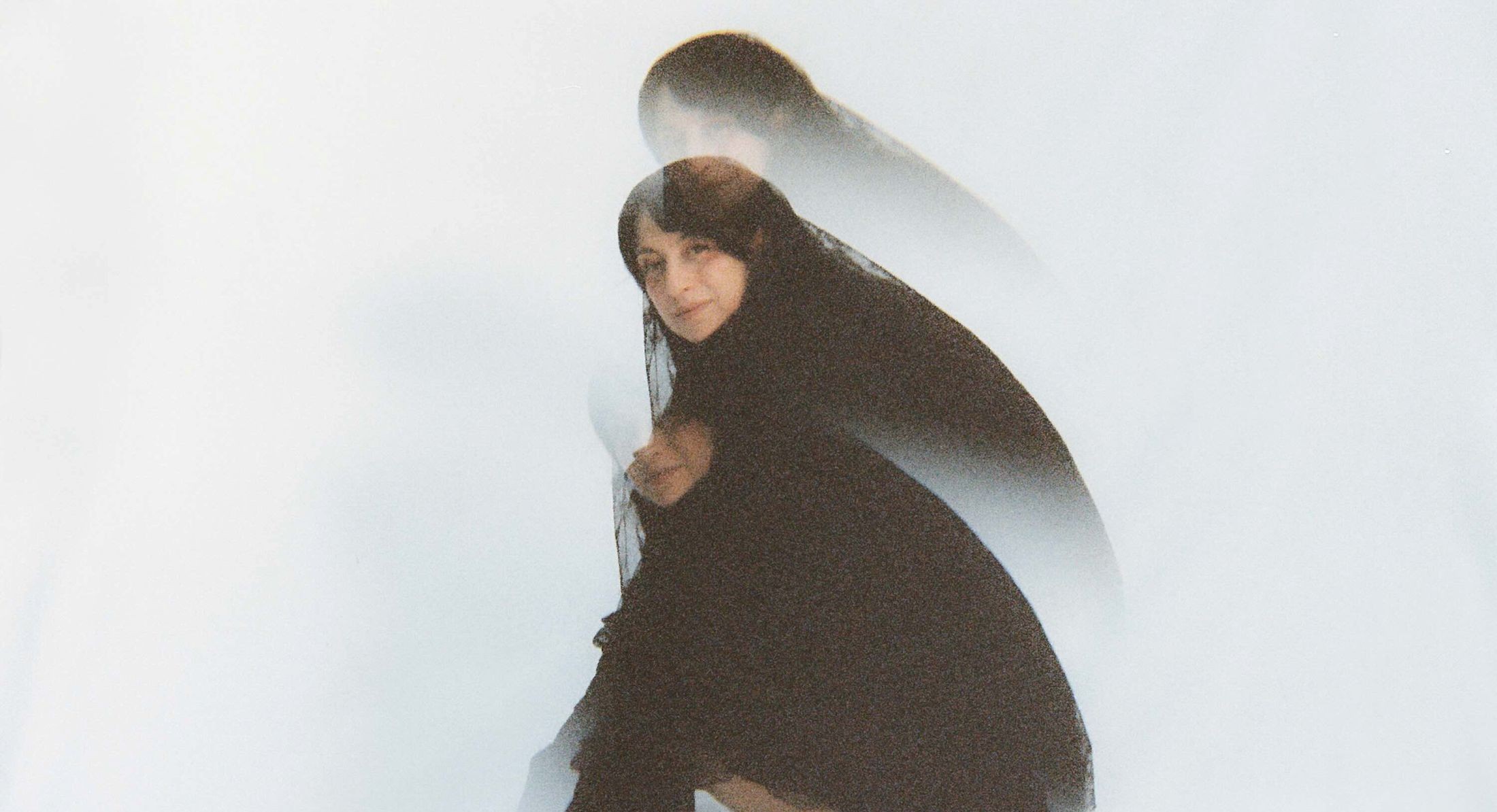
Ora Cogan’s gothic country chords hit with a dread that goes straight to the pit of your stomach. Her voice soars above, letting the feeling loose to spiral up like smoke.
At least, it usually does. The Nanaimo-based musician lost her voice the week before the release show for her new album, Hard Hearted Woman, at the Pearl in Vancouver in mid-March.
Cogan turned her guitar towards her bandmates and joined them in the fray of sound. She sounded real, raw and a little weary. It was a good introduction to an album concerned with choosing feeling over dissociation in the numbing cruelty of the 2026 news cycle.
“Imagine I’ve been singing to you in a bar for two days,” she told us from the stage. “I should have cancelled this show tonight, but I’m here because I love you.”
Cogan has lost and found her voice many times along a non-linear path that took her from playing noise shows in Victoria to documenting the frontlines of land defence in B.C.’s old growth forests.
While music and environmental photojournalism have occupied distinct chapters in Cogan’s life, she came to both with a similar impulse: to face hard things head on. Her art grapples with ecological grief, everyday cruelty, and “whatever is going on in my small town,” she said.
Cogan was born in the Gulf Islands to an artist mother and a photojournalist father. She was raised on folk music from across the map, from the klezmer and Ladino music of her Jewish heritage to Irish fiddle tunes. At age 15, she left home to train as a silversmith on Gabriola Island. Now, she calls Nanaimo home.
She sings like a lonesome cowboy, but she swaps the open space of the plains for the ancient forests and secluded beaches of Vancouver Island. She does a lot of her writing outdoors, in “strange little bizarre worlds” of estuaries, rivers and abandoned mining equipment.
The Gulf Islands have breathtaking natural beauty supporting some of the most abundant ecosystems on earth. They also bear the marks of resource industries’ booms, busts and afterlives.
So do Cogan’s lyrics. There are hints of natural disaster imagery in the album — on “River Rise” she sings, “How can you see the stars through all the smoke?”
While her lyrics come from a nebulous place that she hesitates to define, they also come from the place where she’s from.
“The external landscape mirrors the internal landscape,” she said.
Art helps the impossible make sense
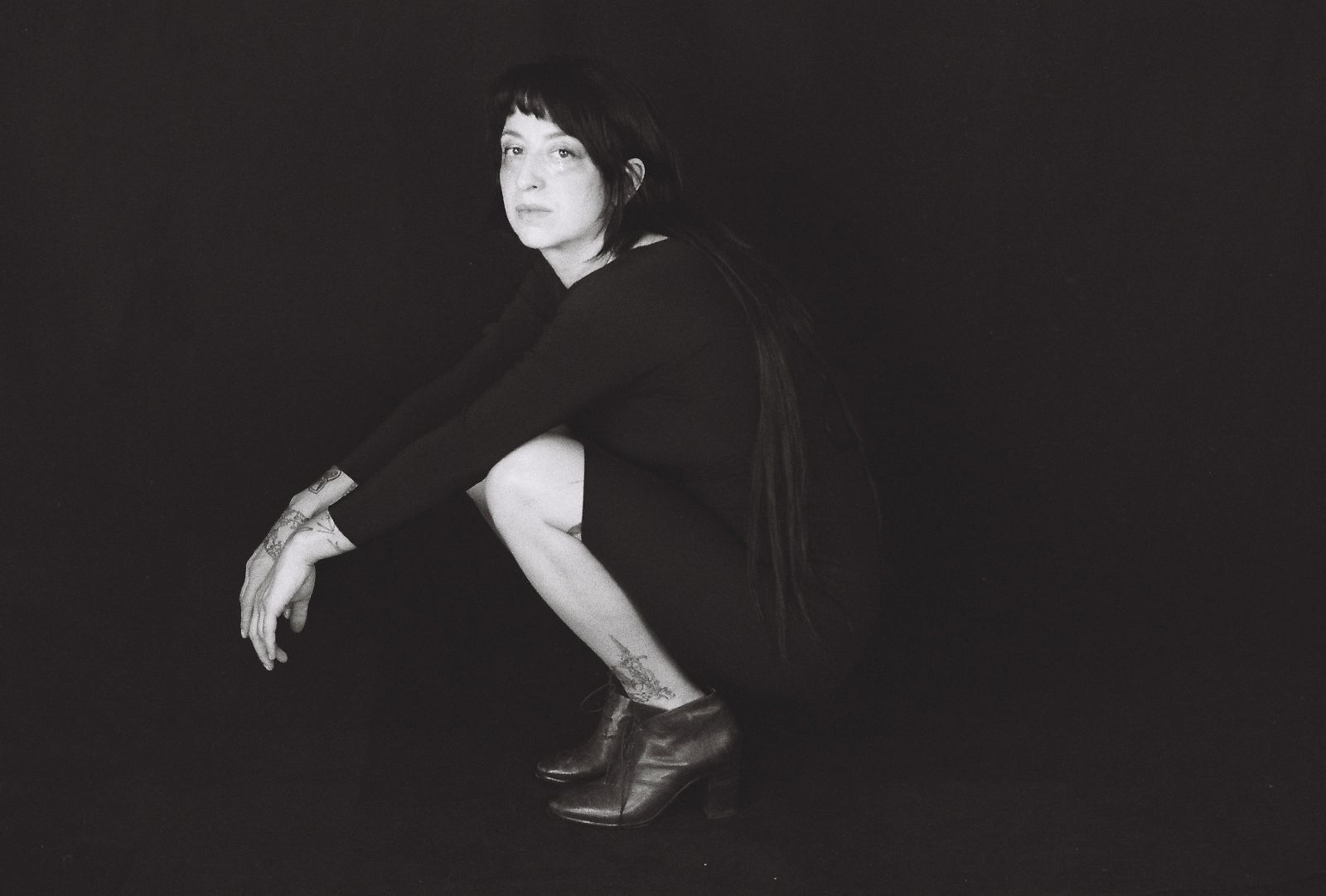
Cogan had been involved in environmental justice movements for a decade as a grassroots organizer, including working in media and communications. She worked with Sacred Earth Solar, an Indigenous women-led coalition promoting renewable energy transitions, and directed a documentary in 2012 interviewing Heiltsuk women about the risks of an oil spill along the proposed Northern Gateway pipeline.
Cogan never thought she’d follow in her father’s photojournalist footsteps. But, when land defenders blockaded logging roads to protect the last old growth forests on Vancouver Island in 2021, she picked up her camera and went to document what has been called the largest act of civil disobedience in Canadian history.
For six months, Cogan embedded herself in the camps at Fairy Creek on Ditidaht and Pacheedaht territory. She worked with reporters to document road blockades, tree-sits and police response for Teen Vogue, Vice, Ricochet and the Narwhal.
“We all deserve clean water and fresh air, which have a very intrinsic relationship with the forest,” she said.
Her portraits capture the resilience and vulnerability of land defenders, some as young as 13, defying a court injunction.
Her photos also capture the RCMP violence and repression that protesters — and press — faced in the injunction zone. Cogan witnessed land defenders thrown to the ground, insulted and arrested in the thousands by RCMP officers.
When she documented an August 2021 altercation between protesters and police, an RCMP officer who refused to identify himself told her to “be silent or you’re gone.”
The clip spread on Twitter as one of many accounts of incursions on press freedom at Fairy Creek that journalists brought to the Supreme Court.
Cogan emphasized that her experience as a photojournalist can’t compare to the land defenders putting their bodies on the line. Still, bearing witness to the brutal machinery of resource extraction is difficult in another way — especially when up against militarized forces that are accustomed to operating unobserved and unchecked.
“I burnt out pretty fast because it was just heavy and hard to be going towards the pain,” she said. So she put down her camera and returned to her guitar.
That year, she also suffered a series of losses, including her father. During the deep isolation of the pandemic, she returned to music to “make sense of things.” That sensemaking became her acclaimed 2023 album Formless.
“It’s just my way of moving through grief and pain and cynicism,” she said, “and just having a good sense of humour.”
Tempering the dark with a warm community
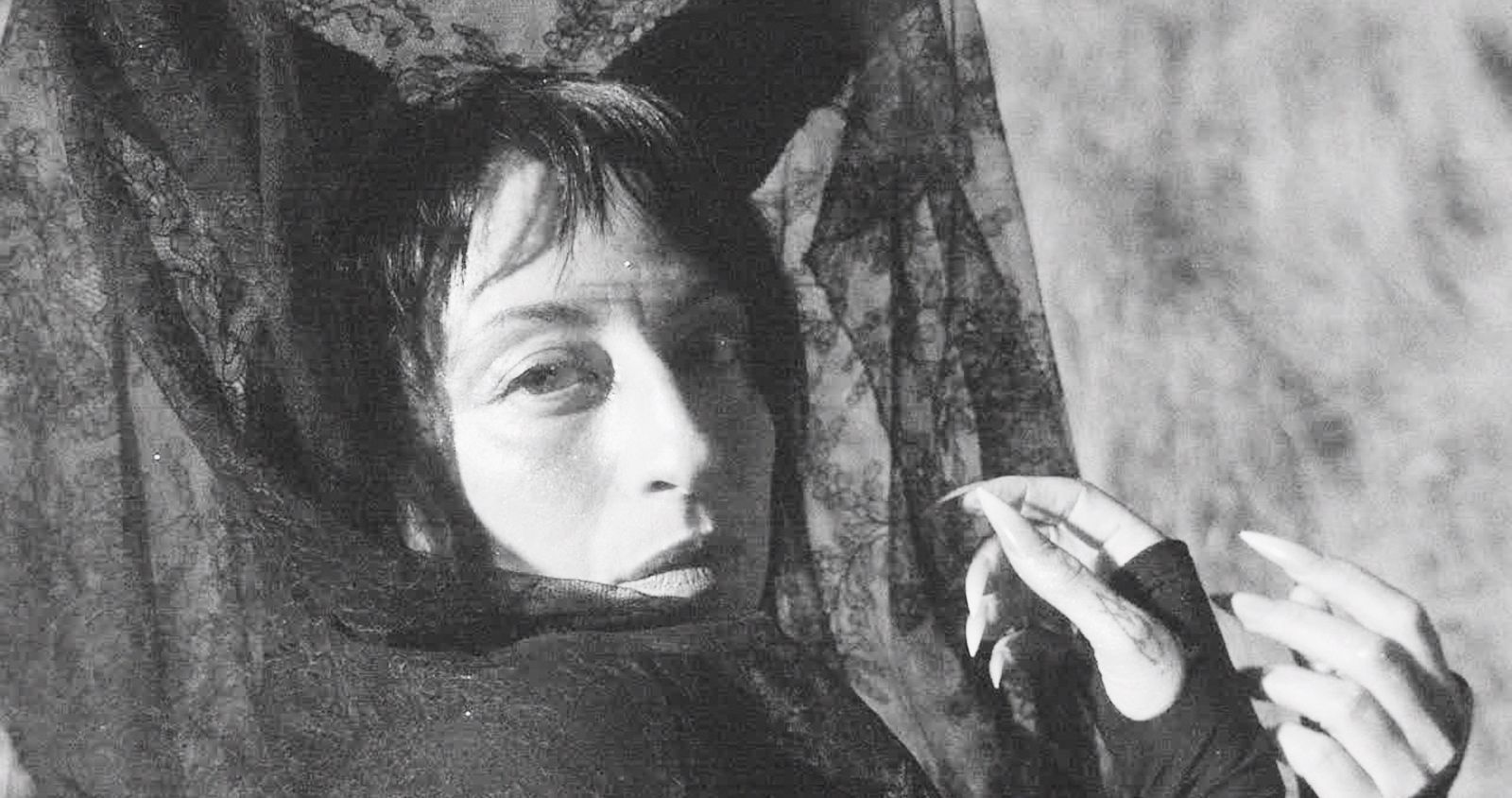
Hard Hearted Woman came from a similar place. She wrote the single, “Honey,” in response to the rising tide of anti-trans legislation in the U.S. and Canada. To be on the margins in 2026 is a heart-hardening thing, and Cogan sounds battle-weary. Still, she finds a tenderness in herself that softens the way for others to rest too.
“There’s a rumination on love baked into this stuff,” she said. “And then there’s some hate and some attitude once in a while too.”
Cogan tempers the dark internal work with a warm community in Nanaimo. Her scene is populated by folk musicians, noise punks, cat acrobatic trainers and queer underwear designers (okay, the last two are just Cogan’s friend Al Murray, who plays accordion on the album).
“There’s something that happens when all of that personal struggle meets the celebration of just playing with the band,” she said. “Shit is completely deranged, and we’re gonna celebrate life and move through the pain.”
Throughout her unconventional path, DIY, all-ages spaces were a lifeline and a license for Cogan to experiment creatively, places where “misfit, weirdo, deranged little teens like myself” could drop in, play guitar, drink coffee.
“I would go so far as to say these spaces are life-saving,” she said.
Many of those spaces are gone. The clearcutting of our cultural ecosystem is another heart-hardening loss to Vancouver Island, and to every city whose rising cost of living chokes out the creativity that makes the living worthwhile. It’s also another reason to keep making music.
Ireland, where Cogan is heading for her tour, is trying something different. In 2026, its federal government announced a permanent program to pay 2,000 artists a weekly basic income.
“I’m really inspired by a lot of Irish traditional folk music and contemporary and experimental music,” she said. “In some ways, it kind of feels like another home.”
Back at the Pearl in Vancouver, Cogan’s band closed its encore with “Katie Cruel,” a traditional Celtic-American tune from her 2023 album Formless. The lyrics of the alt-country ballad are from the perspective of a sex worker on the road. The rollicking percussion and guitar turn her solitary story into a barnburner.
Cogan’s vocal cords may have still been recovering, but when she picked up the violin, her bow sang. ![[Tyee]](/design-article.thetyee.ca/ui/img/yellowblob.png)
Read more: Music, Gender + Sexuality, Environment






Tyee Commenting Guidelines
Please note that email notifications for replies are not currently working due to a software issue which may be resolved in a future update.
Comments that violate guidelines risk being deleted, and violations may result in a temporary or permanent user ban. Maintain the spirit of good conversation to stay in the discussion and be patient with moderators. Comments are reviewed regularly but not in real time.
Do:
Do not: