

 SHARE:

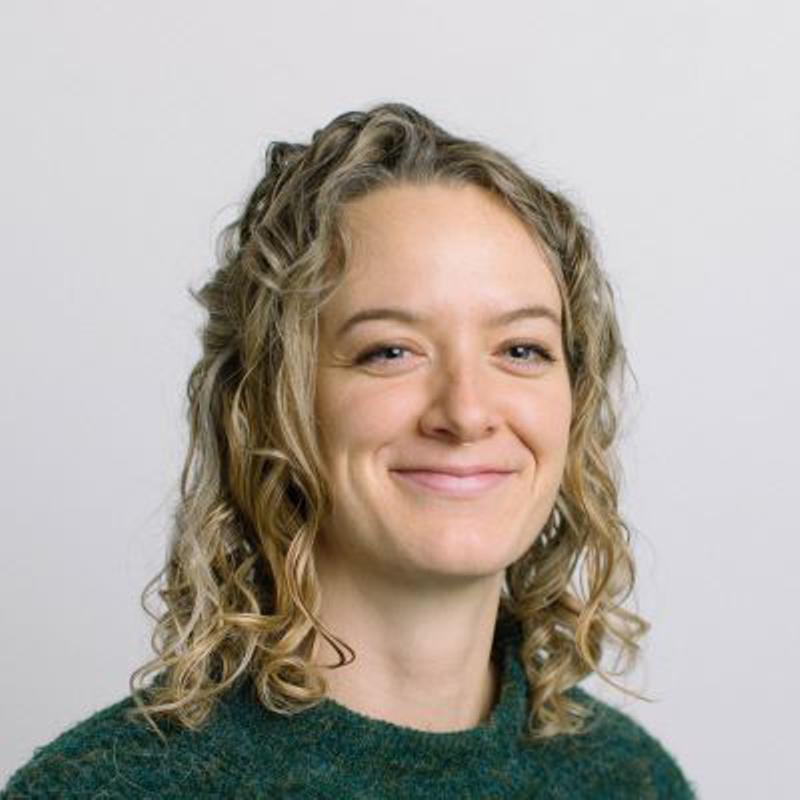
A Vancouver teenager is asking the federal government to improve public education about endometriosis, a condition that affects roughly one in 10 people assigned female at birth, or two million Canadians.
Endometriosis occurs when cells that resemble the lining of the uterus grow outside of the uterus on surrounding organs, such as the bladder, bowel or ovaries. The condition can cause debilitating pain.
Because this pain is often connected to a menstrual cycle, people with endometriosis often have their experience minimized by medical professionals, says 16-year-old Elize Nocente.
“You’re told that period pain is normal and not to be scared,” Nocente told The Tyee. “Some discomfort and pain is normal, but when it gets to the point where some girls can’t even get out of bed because they’re in so much pain, then that’s not normal at all.”
In extreme cases, endometriosis can cause kidney failure, bowel obstruction, painful bowel movements and blood in stool and urine. About 90 per cent of people with symptoms experience severe cramps and 30 per cent of people with endometriosis have trouble conceiving.
When teenagers are told extreme pain is normal it creates a cycle of shame, where they’re suffering and also believe something is wrong with them because they can’t cope as well as their peers, Nocente said.
“People don’t really care about girls receiving proper education about their own bodies,” she said. “They kind of assume that they already know, but really it’s not a given.”
To change this, Nocente is asking the federal government to fund a national advisory board to develop an evidence-based endometriosis lesson plan, and to work with the provinces and territories to introduce the lesson plan into age-appropriate classrooms.
She’s making the request in the form of a federal e-petition, which has received over 600 signatures already. If those signatures are all deemed valid, Jenny Kwan, NDP MP for Vancouver East, will present the petition in Parliament after the petition closes on Oct. 14, 2026.
Nocente said education is the best way to make societal change.
Teaching people about endometriosis will help some teenagers know they are suffering from a medical condition, and their friends, family and teachers can know they aren’t making things up or seeking attention, she said.
Once more people understand what endometriosis is, they’ll want to advocate to the government to increase funding for research and treatment, and that will eventually reduce how long it takes to get a diagnosis and treatment, she said.
Currently there is an average diagnosis delay of just over five years, but individual cases can “easily” have more than a 10-year delay, said Dr. Paul Yong, Canada Research Chair in endometriosis and pelvic pain at the University of British Columbia.
There’s a lack of research on how endometriosis affects gender-diverse and transgender people, so it’s not known what wait times or delays these communities face, Nocente added.
A study from 2024 found that after a one-hour lesson on endometriosis, Canadian teenagers showed improved knowledge and comfort in discussing menstrual health. They also considered the lesson “acceptable.”
Yong, who co-authored the 2024 study, said there’s still a lot science doesn’t know about the condition.
For example, it’s not really known why some people get endometriosis and others don’t, he said. There’s likely a genetic component, because it seems to run in families, but there could be unknown environmental factors that cause it too.
Researchers have a pretty good understanding of how hormones play into endometriosis, and therefore treatment of symptoms is hormone-based, he said.
There is no known cure for endometriosis. Treatment targets symptoms and can include hormonal suppression, for example using hormonal birth control, or surgery, or a combination of both.
Yong said people who are experiencing pain deserve proper assessment and treatment.
The Canadian guideline for treating endometriosis is very patient-centred and encourages physicians to offer treatment based on the values and goals of their patient, he added.
Painful periods that do not respond to over-the-counter medications and affect school, sports and social activities are beyond the normal range of menstrual cramps, Yong said.
Without treatment, acute pain from endometriosis can evolve into chronic pain or pain when having sex, urinating or having a bowel movement. When someone has been experiencing pain for 25 years, it is a lot more complicated to get their pain down to zero than it is for someone who has been experiencing it for less time, he added.
There just seems to be something about having pain in the pelvic region that historically has been ignored, so people end up quietly suffering for a long time, Yong added.
Education combats silence and stigma
That silence is built around stigma, and deconstructing that stigma requires education, said Zeba Kahn, a PhD candidate at UBC leading work on endometriosis and menstrual health education among youth.
Early education can lead to earlier recognition of the condition, she said. People learn to identify what is and isn’t normal menstrual pain, and receive validation of their pain and symptoms.
Kahn worked with youth to develop an online resource about period pain and endometriosis.
Education should be delivered in age-appropriate ways, she said.

An entry point could be learning about menstrual health, followed by lessons on period pain and then conditions such as endometriosis, polyendocrine metabolic ovarian syndrome (formerly referred to as polycystic ovary syndrome) and uterine fibroids.
Yong said all genders should be taught about menstrual health because they may grow up and have periods themselves, or know and care for people who do.
There isn’t a standardized way students are currently taught about menstrual health, and lessons can vary widely based on teacher capacity and interest, Kahn said.
A lack of education on endometriosis can create inequities in the classroom.
If two students are taking a test — one who feels fine and one who is experiencing debilitating pain — then that isn’t fair for the student in pain, she said.
“If we’re not giving young people tools and education to seek help when they need it, we’re doing a big disservice and setting them up for failure,” Kahn added.
Nocente told The Tyee she has been advocating at all levels of education and government — that is, school level, provincial and federal — to improve menstrual education. So far, she’s written a total of 26 letters to Prime Minister Mark Carney.
After most of the responses she received thanked her for her advocacy without committing to concrete solutions, Nocente decided to escalate her tactics and launch a federal e-petition.
“I want to see societal change, not just a few people deciding to learn more about women’s health,” she said. ![[Tyee]](/design-article.thetyee.ca/ui/img/yellowblob.png)








Tyee Commenting Guidelines
Please note that email notifications for replies are not currently working due to a software issue which may be resolved in a future update.
Comments that violate guidelines risk being deleted, and violations may result in a temporary or permanent user ban. Maintain the spirit of good conversation to stay in the discussion and be patient with moderators. Comments are reviewed regularly but not in real time.
Do:
Do not: