


 SHARE:
In some years, the cultural narrative of the summer is apparent from the moment it happens — look to last year’s dominance of Charli XCX and Brat or the 2023 “Barbenheimer” takeover.
Now it’s August, and it is looking like summer 2025 will be much harder to define.
Sure, there have been big movies (James Gunn’s Superman is actually great) and music (I do hope we’re at least talking more about Lorde’s Virgin during Grammys season), but nothing in 2025 has disrupted the cultural consciousness on a Brat-level scale.
Even the idea of a universal song of the summer is largely undecided, with contenders coming and going from the mainstream.
The wildly popular animated movie KPop Demon Hunters and its soundtrack captured a certain audience and segment of the Billboard charts, Morgan Wallen is still here (though I wish he wasn’t!) and Justin Bieber made a pretty good album.
But none of them dominated the culture in the way Charli (or Sabrina Carpenter or even Chappell Roan) did last summer.
In the absence of a singular pop cultural property seizing the collective consciousness, what will we remember when we look back on 2025?
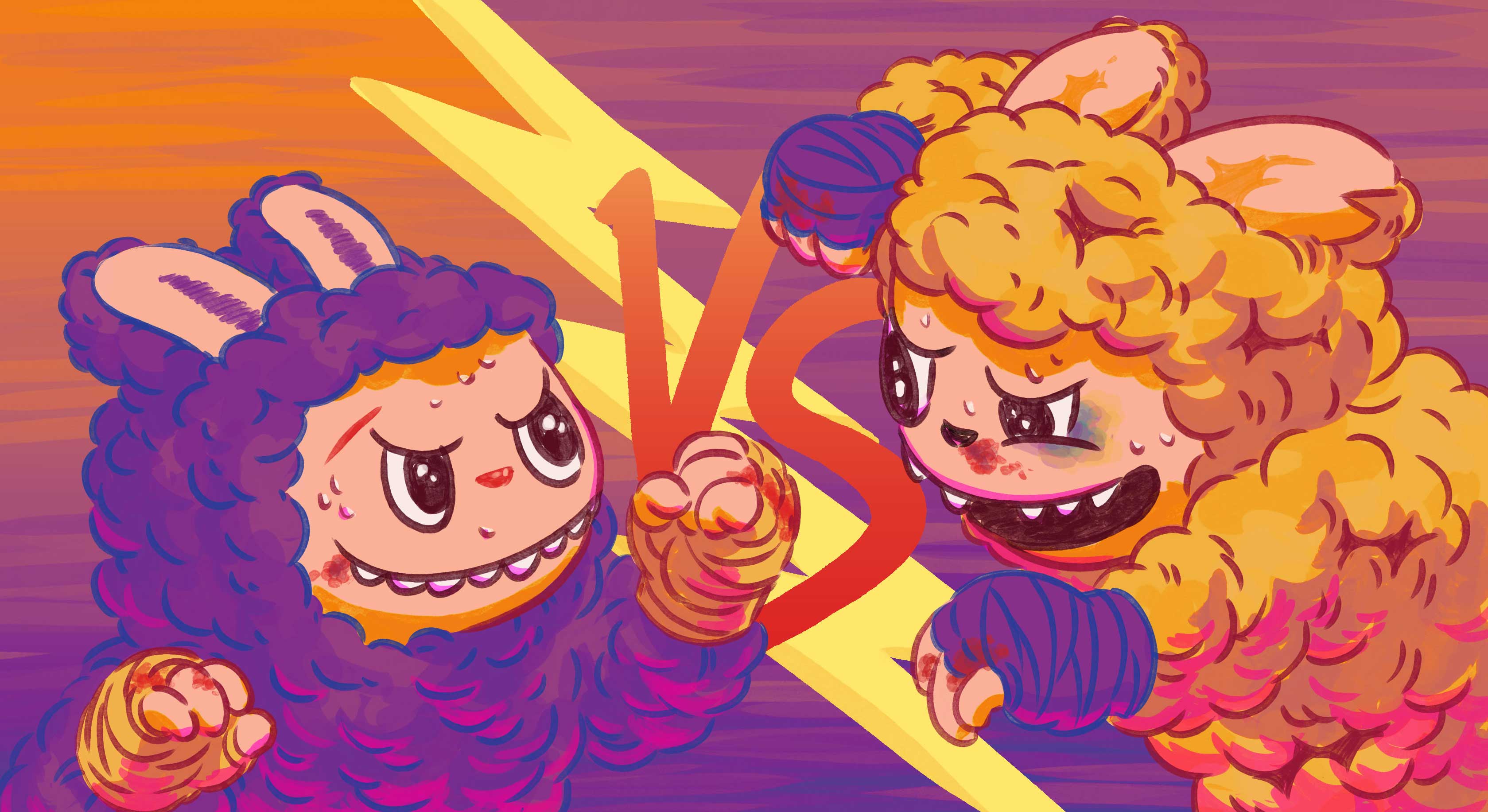
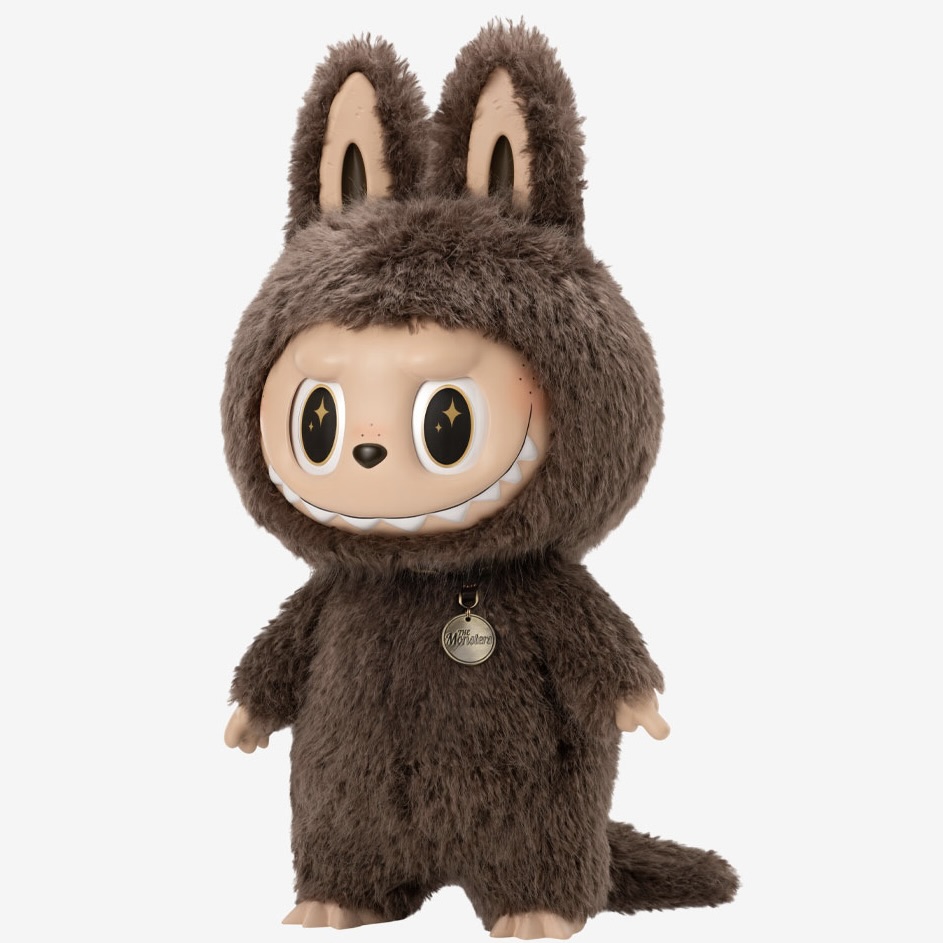
Many people will point to Labubu, the furry, elfin viral toy and status symbol that’s emerged this year as a defining cultural figure.
Sold in a range of sizes from large-format plushies to smaller-scale figurines that the fashion-forward have been clipping to their bags and belt loops, Labubus have become the apple of everyone’s eye, from pop stars to soccer moms.
There’s a solid chance we will remember this as the summer of a weird little overly expensive troll doll, and in 20 years we’ll be nostalgically laughing about it the same way we do about the 1996 ‘Tickle Me Elmo’ crisis.
Do you Labubu?
The designer dolls first broke out in April 2024, when Lisa, a K-pop star from Thailand, started posting photos of her Labubu collection on social media. But they reached their peak this spring and summer, when they started to be sold in mall stores like Showcase and became inescapable on TikTok.
The doll’s popularity prompted gate-crashing stampedes, inventory sellouts and massive markups on the secondary market. Pop Mart, the Beijing-based collectible toy company behind Labubu, has reported at least a 350 per cent increase in profit for the first six months of 2025. Google searches for “Labubu buy” and “what is Labubu” spiked in June 2025.
Labubus have become a global phenomenon, and last month a life-size Labubu figure sold for more than $170,000 at auction. Even if you don’t know what they are or why people like them, chances are you’d recognize that nine-toothed grinning troll anywhere.
And I don’t deny Labubu’s influence on the culture. Even I have one (she’s a cute object to have on my bookshelf!). And my TikTok feed is still full of them dancing, getting dressed up and even getting tattooed.
But when I look back and think of a cultural entity to best represent the summer of 2025, I don’t think a trendy luxury toy like a Labubu is actually what encapsulates this moment.
The summer of 2025 isn’t about capitalistic fomo, desire or luxury (at least not any more than any other year). It’s not about mass hysteria or desire. No, to summarize the vibe of summer 2025, I will actually think of the “Lafufu” — the gnarly, fucked-up, knock-off version of her more elegant, in-demand sister.
The Lafufu represents accepting mediocrity because we’re all too tired (or poor) to get the real thing.
The Lafufu is the queen of slop.
And this summer, the one thing that was truly inescapable was slop of all kinds: from the AI nonsense ruining our social media feeds to knock-off versions of an overpriced accessory.
In the midst of slop summer, Lafufu may not be the 2025 icon we asked for, but she is what we deserve.
‘Slop’ has seeped into all facets of life
“Slop” is a term that’s been popularized in recent years to refer to the high-volume, low quality output of AI-generated imagery flooding social media feeds and the internet at large.
Think of the things populating your grandma’s Facebook feed — ”shrimp Jesus” or false images of a football coach saving children during a flood — all churned out on an overseas assembly line itself fuelled by ChatGPT prompts.
It’s all quite dystopian, and that’s before you even think about how much water is used up to generate that baby wrapped in lettuce who really needs you to send prayers in your grandma’s Facebook comments.
AI slop has found its way into other virtual and real-life corners of life too.
Studios have faced controversy for using AI-generated imagery in movies like Late Night With the Devil or promotional images for Alex Garland’s Civil War. A whole band went viral and garnered millions of Spotify streams even though it was entirely AI-generated.
And every time I go to my local board game store, I have to pass a burger restaurant that seems allergic to having any real photos of its food anywhere in its advertising, instead opting for over-the-top AI-generated images of oozing food items completely divorced from their real-life counterparts.
AI slop has also invaded relationships, too. People are building “real” relationships with chatbots, or relying on AI-generated advice as therapy.
AI slop has invaded workplaces with mandates to adopt AI tools, and mass layoffs as companies try to outsource as much labour as they can to the robots.
It’s invaded even wholesome cultural community efforts — organizers of an upcoming “show us your cat” walk in Vancouver’s Mount Pleasant (where, assumedly, people show off their cats) had to apologize after Instagram commenters rightfully pointed out how they used AI to generate promotional posters.
Considering its pervasiveness in so many aspects of contemporary life, I think it’s useful to broaden the idea of “slop,” and our current culture’s embrace of it, beyond AI-generated imagery and words.
Back in May, the New York Times broke down the concept of “slop bowls.”
Anyone pressed for time and looking for lunch on a busy workday is probably familiar with such quick, ubiquitous bowls that feature scoops of things into a bowl over rice or salad.
In the U.S., fast-casual restaurant chains like Sweetgreen and Chipotle function as assembly lines for “slop bowls;” in Canada, you’ll find them at Freshii, Subway and even Tim Hortons.
“The classic slop bowl is not bad, but it’s not good — it’s fuel,” one interviewee told New York Times reporter Emma Goldberg. “It’s almost the closest we can get to eating Soylent for lunch.”
In addition to slop bowls, there’s slop shopping, exemplified by ultra-fast fashion like Shein or bulk online marketplaces like Temu. Waves of influencers show off massive “hauls” of budget clothing from such retailers that will inevitably fall apart after one use — but that’s sort of the point.
There’s also slop TV. While new seasons of formally zeitgeist prestige shows like The Bear and The Last of Us faced tepid reviews this summer, the breakout on the small screen this year was arguably Love Island U.S.A.
And no offense to fine connoisseurs of reality TV (I am among you!) but nothing says “slop” like six (!) episodes a week of shenanigans, breakfast-making and making out.
This summer more than ever before, society at large has embraced and accepted slop into our lives, for better and for worse.
With increasingly scary political goings-on in the U.S., increasing crackdowns on diverse perspectives, an economic recession on the go and a looming climate crisis, it feels like the summer of 2025 is when a lot of people have decided to just throw our hands up and say “F it.”
Why aspire for quality when we can just accept the slop being given to us?
Slop summer, bow to your queen
If we were to crown a queen of slop, I have to point to the Lafufu.
Heavily discounted, maybe full of harmful chemicals and definitely not aesthetically pleasing, Lafufus have garnered a fandom of their own outside of their pristine, high-priced Labubu sisters.
They are beloved because they are slop, not in spite of it. At the recent Khatsahlano street festival in Vancouver, I spotted a guy on a street corner holding a “LABUBU $25” sign, obviously hawking low-grade knockoffs to patrons who certainly know they aren’t real Labubus, and certainly don’t care.
While many people who seek out dupes of luxury products — think a knock-off Hermès bag — aim to replicate the original as closely as possible, a new culture has popped up actively embracing the Lafufu and all of her… quirks.
Scroll TikTok and you’ll find all sorts of creators showing off their warped, ugly and straight-up terrifying Lafufus. My personal favourite is the four legged one that scuttles around like it’s possessed, or one creator who made “the Labubu human centipede.”
People are proud of their Lafufus, and actively seek out the nastiest, and the sloppiest versions possible. Lafufus with receding hairlines, with mismatched eyes or with heads that pop right off.
If there was an alignment chart featuring “good slop” and “evil slop,” the knockoff Lafufus and AI garbage would exist on polar ends of the spectrum.
AI slop uses up massive amounts of resources, exploits creators, perpetuates inaccuracies and fuels misinformation.
Lafufus, on the other hand, are nasty little guys we love because they are nasty little guys. Outside of the usual consumerist issues of waste and capitalism, they are largely harmless. They are chaotic good.
Lafufus are by and for the people — the working man’s slop. They aren’t pretty. They aren’t perfect. But they encapsulate the positive side of this moment of mediocrity in which we find ourselves. They’re about accepting what we have and making it work. That is the vibe of summer 2025.
Aspirationally, we could crown the noble Labubu as the queen of summer 2025. We could also stretch to find a song or a movie that brings together this moment in totality.
In reality, the icon we deserve is Labubu’s grungy, off-label sister.
All hail Lafufu, the queen of slop. ![[Tyee]](/design-article.thetyee.ca/ui/img/yellowblob.png)
Read more: Media, Science + Tech









Tyee Commenting Guidelines
Please note that email notifications for replies are not currently working due to a software issue which may be resolved in a future update.
Comments that violate guidelines risk being deleted, and violations may result in a temporary or permanent user ban. Maintain the spirit of good conversation to stay in the discussion and be patient with moderators. Comments are reviewed regularly but not in real time.
Do:
Do not: