

 SHARE:
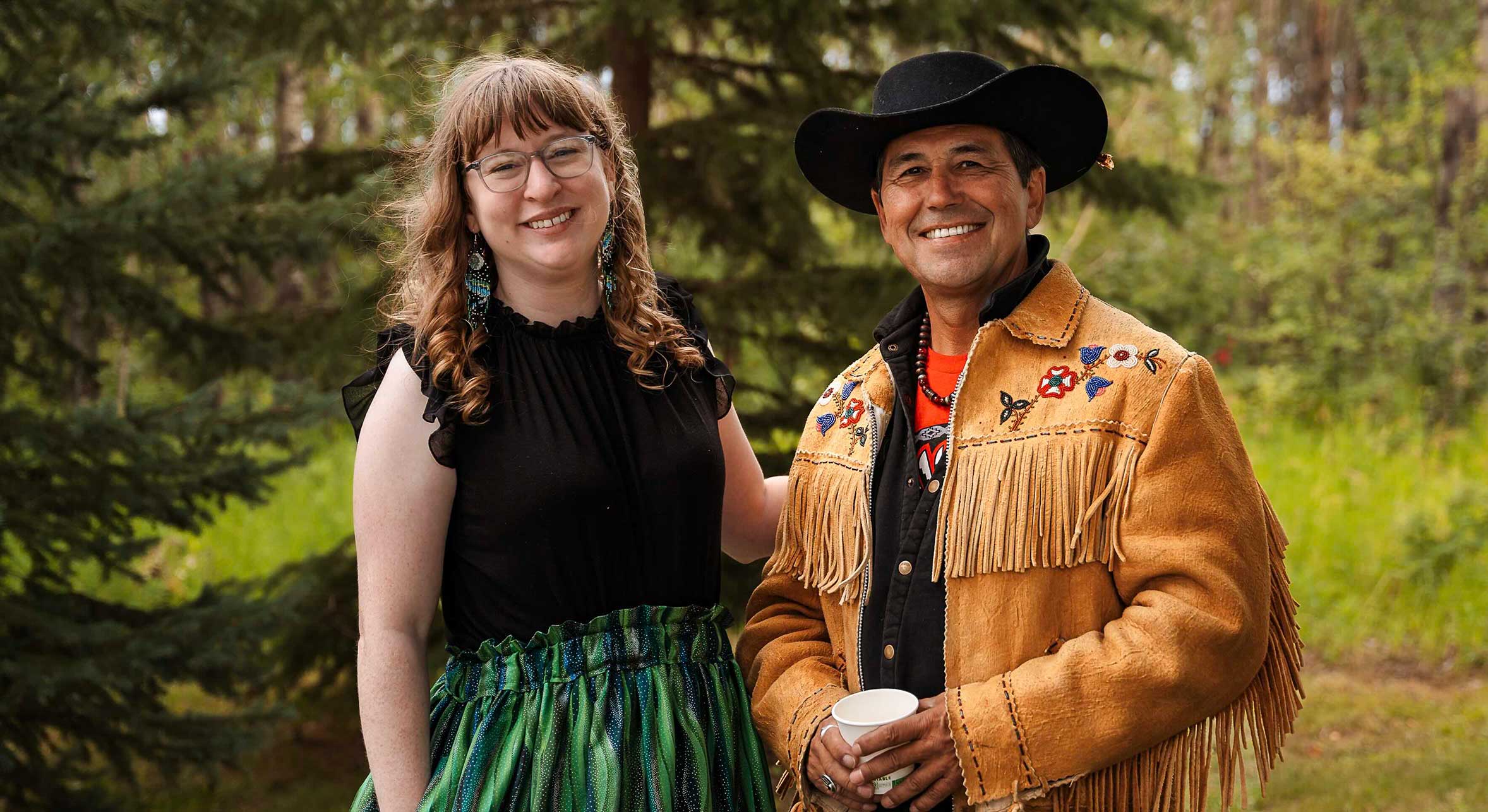
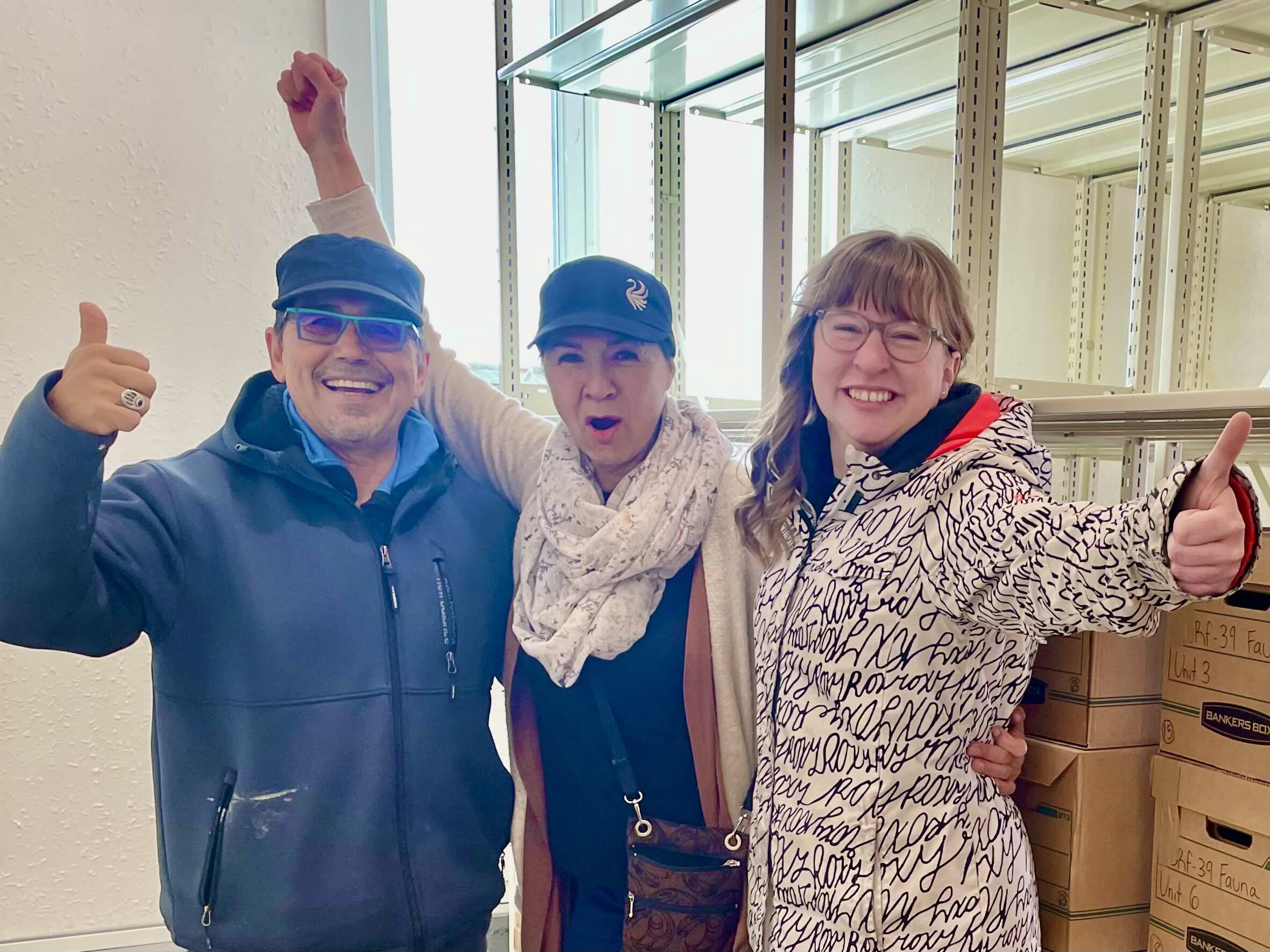
In the spring of last year, Elder Garry Oker travelled from his home in Charlie Lake, B.C. to the Simon Fraser University campus in Burnaby with fellow Elders and Knowledge Keepers from the Dane-ẕaa First Nation communities of the Peace River region. Their journey was years in the making; in the 1970s and 1990s, SFU archeologists dug up the land around the Tse’k’wa National Historic Site and had taken artifacts for research.
Tse’k’wa is one of the most significant archeological sites in the country and was a gathering place for Dane-ẕaa people for 12,000 years. In 2012, three Dane-ẕaa communities — Oker’s community, the Doig River First Nation, Prophet River First Nation and West Moberly First Nation — purchased the land and have co-managed the National Historic Site ever since.
The group’s spring trip to SFU was a journey of repatriation, the process of returning ancestral remains and ceremonial belongings to home communities. Repatriation supports the rights of Indigenous Peoples to regain their self-determination over their heritage, belongings and ancestors, as outlined in Article 12 of the United Nations Declaration on the Rights of Indigenous Peoples.
Oker and his team repatriated a set of belongings from SFU that included a human jawbone; human remains are considered Ancestors in the repatriation process. Dating analysis didn’t yield strong enough data to tell the age. They buried the Ancestor in a ceremony.
“It’s just respect,” Oker said, of the process of returning the Ancestor to their home community. He underlined the importance of following proper cultural protocols for such processes, which includes connecting with Elders, Knowledge Keepers and leaders in the community.
Oker is an artist and board president of the the Tse’k’wa Heritage Society, which oversees the Tse’k’wa National Historic Site. Tse’k’wa is featured as a case study in a recent report on repatriation in B.C. by the First People’s Cultural Council, or FPCC, and authored by the K’yuu Enterprise Corporation.
Called “From Stealing to Healing: Repatriation and B.C. First Nations,” the report assesses the current state and future needs of repatriation efforts in the province. It finds that while there is a strong will to repatriate among B.C. First Nations, the current process is mired with challenges that require more infrastructural supports to be successful.
“One of the challenges with doing that work is the hidden cost is never included,” Oker noted, describing the extensive relational work inside First Nations communities that is a necessary feature of the repatriation process, and which is not always supported by current grant funding structures for such efforts.
“The extra work that needs to be done with the Elders in community, and Knowledge Keepers and all that… grants only cover certain aspects of the process.”
The repatriation report, Oker said, “Is very timely, in that we can have a conversation with governments and corporations,” he said.
“We can say these kinds of costs are important.”
A long road to repair
The “Stealing to Healing” report is a beautifully written document which starts with two prayers — an Earth prayer, and a Repatriation prayer — in the Xaayda Kil dialect of the Haida language, because K’yuu is a Haida-owned company. The report includes the 10 Haida principles K’yuu used to guide their work, a repatriation timeline and a history of colonialism that is directly connected to theft of Indigenous belongings.
The report lays out where many communities are in their own repatriation journeys. At the time of its release in late June, the FPCC released a sister report, “Reparation Cost Analysis: A Framework and Model,” which is intended for use as a self-assessment tool for First Nations to understand where they are in their repatriation journeys. It also helps First Nations estimate repatriation costs. “From Stealing to Healing” offers 16 case studies, like Tse’k’wa Heritage Society, of specific community stories of repatriation. The report offers a way forward for First Nations in B.C. while outlining how the government can better support repatriation efforts.
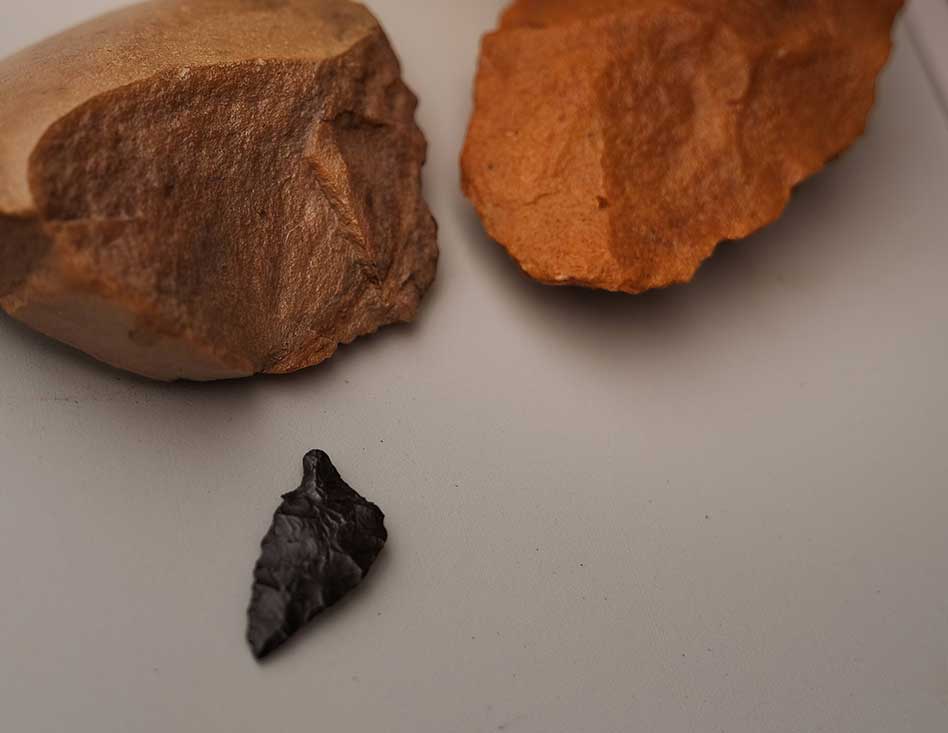
Only 10 per cent of the 204 recognized First Nations in B.C. have been able to significantly repatriate items that settlers stole from their communities and families decades, and even centuries ago, the report notes. Another 60 per cent have barely begun the process, and around 30 per cent are somewhere in the middle.
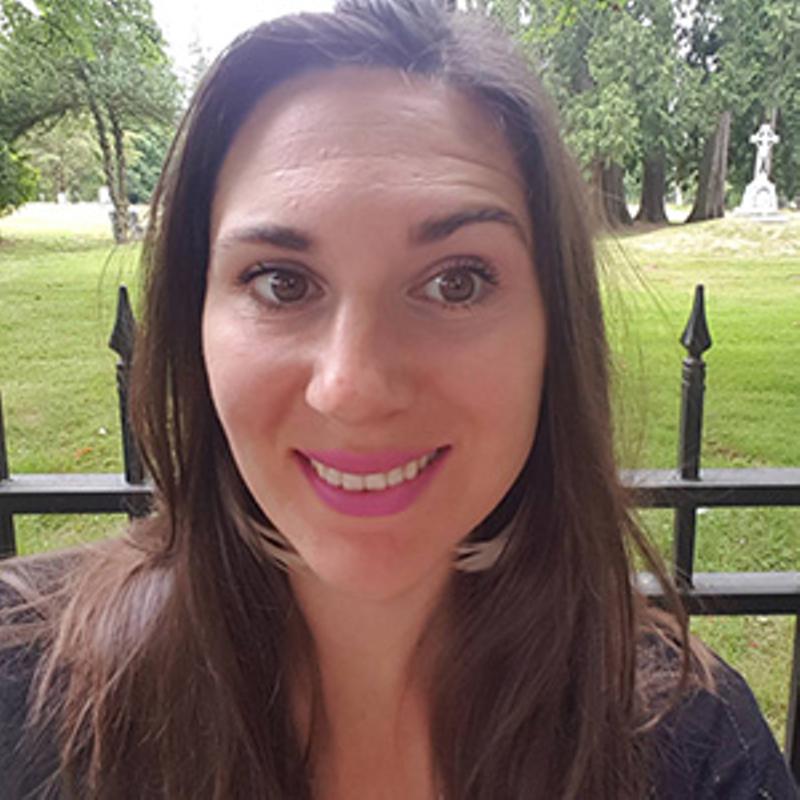
“There’s tremendous diversity across those First Nations,” said Gretchen Fox, an anthropologist part of the FPCC team that contributed to the report. “Some are urban, some are rural, there are larger populations and smaller populations, and some had thousands of their belongings and Ancestors removed and taken to museums, while other First Nations didn’t have quite as many.”
The report uses the word “Ancestors” to refer to “human remains, housed in colonial institutions, that have an ancestral connection to Indigenous Peoples of today.”
During the research phase for the report, the team sent surveys to 400 colonial institutions including museums, universities, heritage sites and religious institutions around the world, Fox said. Only 229 responded.
Within the 229 responses, the research team identified over 2,500 Ancestors and almost 100,000 belongings from B.C. First Nations alone. Considering that 171 institutions did not respond to the survey, the real number is likely higher, she said.
One of the issues the report brings to light, and calls on the government to assist with, according to Fox, is the serious lack of funding for repatriation.
To support their repatriation efforts, communities are often tasked with piecing together funding from disparate sources, such as arts and culture grants. The B.C. government gave repatriation specific funding on only three occasions — in 2018, 2020, and 2023. More is needed, she said.
Sixty per cent of B.C. First Nations and colonial institutions surveyed have spent over $1 million on repatriation to date, while 50 per cent of B.C. First Nations surveyed will each need $1 million for repatriation activities over the next three to five years, according to the report.
“Some First Nations use their own source revenue, and there’s also lots and lots of volunteer and in-kind labour. People are doing this work off the side of their desk,” she added.
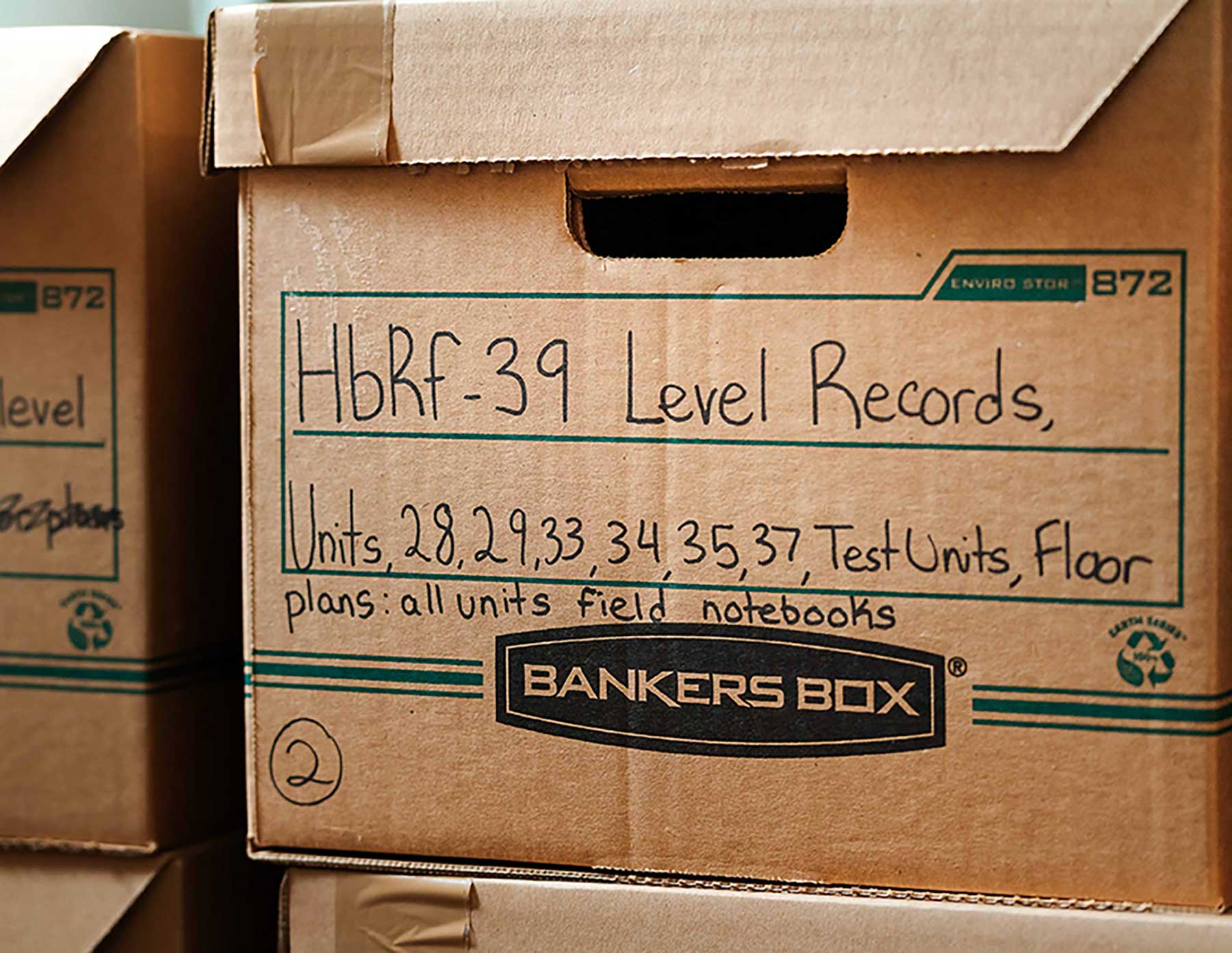
Some of that in-kind labour involves the research required to find where belongings and Ancestors have ended up. The records on some items are poor or lacking altogether, so it can be extremely difficult to track them. This work requires the expertise of skilled professionals, and the resources to support their hiring, said Fox.
She adds that while repatriation might be expensive, as the report shows, there’s also opportunity in it. New jobs can be created in arts and culture, she said, and in related sectors such as building infrastructure and in administration, for example.
Repatriation is a moral and ethical responsibility, she said.
“People are recognizing that many of the First Nations belongings that they see in the museum were not actually given freely — they were stolen or removed under duress during a pretty dark time in Canada’s history,” said Fox.
“The right thing to do is to give them back. And the right time is now.”
Artifacts are an ‘important link’
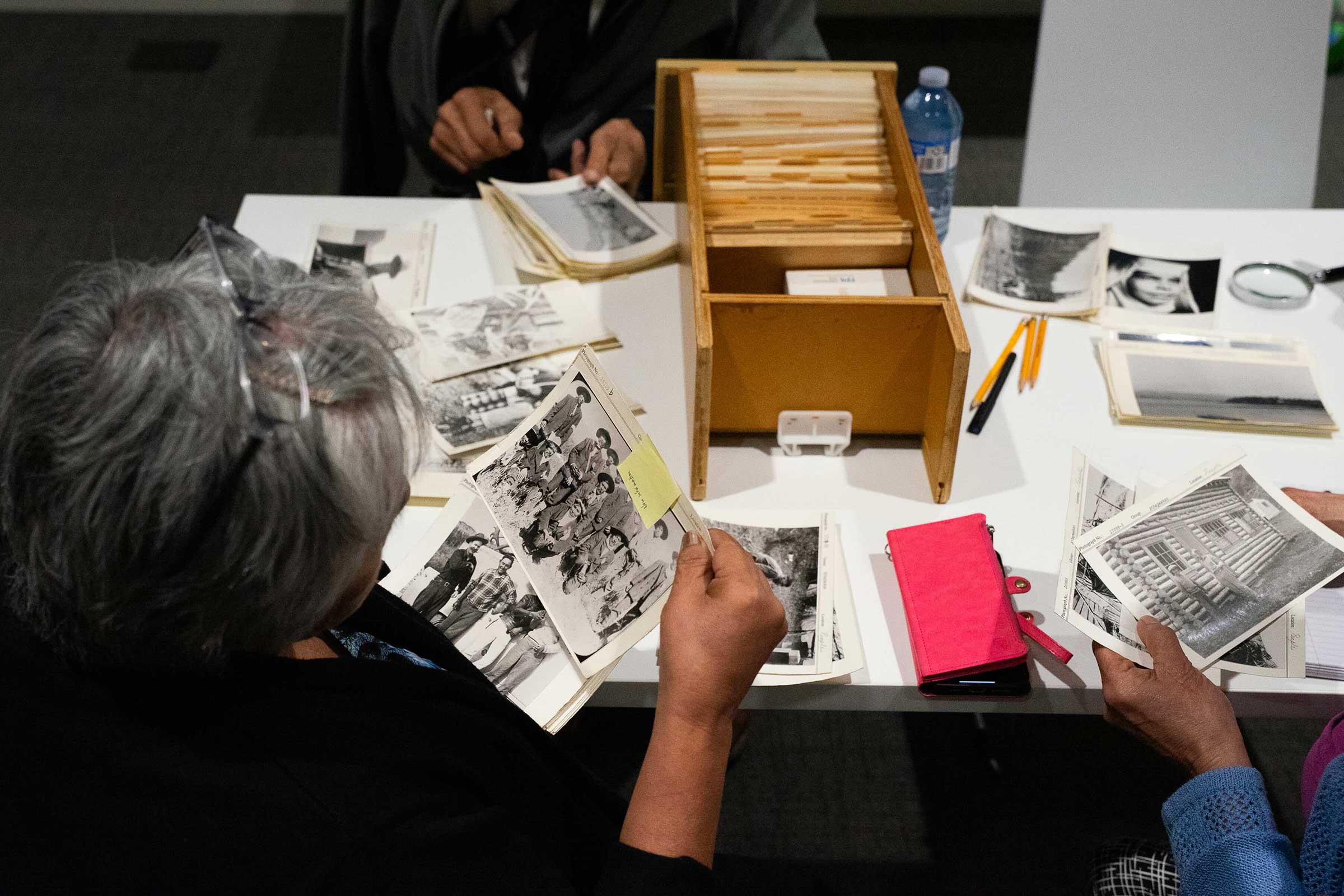
Joanne Brown is an Elder from the Cheslatta Carrier Nation. She also works as an Elder at Thompson Rivers University. The Cheslatta Carrier Nation isn’t featured in the report’s case studies, but they repatriated items from the Royal BC Museum, or RBCM, this past spring.
Brown went to RBCM along with a few other elders from her community to view the belongings before they returned home.
“It was very, very emotional. And the emotional piece is because when you’re Indigenous and you’re trying to grow up and be part of the mainstream world, and you’re discounted and you’re not recognized, it hurts,” she said. “You know your potential, and it feels like you get blocked by people’s minds about what you can contribute.”
Reconnecting with the belongings from her home community was healing, she notes. “After having a lifetime of that, and you see proof that your ancestors lived on this land, and loved on this land… And for thousands of years, because these artifacts are thousands of years old…. They are an important link [for us to] say to the world, ‘We matter, and we belong here.’”
The Cheslatta Carrier Nation was not only affected by residential schools and other racist policies under the Indian Act, but they experienced a forced relocation with only a few weeks’ notice from their traditional village site in 1952 because of flooding.
The flooding was the result of construction related to B.C.’s aluminum industry. So while other communities have had elaborate ceremonies to welcome belongings and Ancestors home, hers didn’t — Brown said they just don’t have the strength yet.
“But it’s coming,” she said, signalling hope. “Because we have a lot of young people, it’s coming.” ![[Tyee]](/design-article.thetyee.ca/ui/img/yellowblob.png)
Read more: Indigenous








Tyee Commenting Guidelines
Please note that email notifications for replies are not currently working due to a software issue which may be resolved in a future update.
Comments that violate guidelines risk being deleted, and violations may result in a temporary or permanent user ban. Maintain the spirit of good conversation to stay in the discussion and be patient with moderators. Comments are reviewed regularly but not in real time.
Do:
Do not: