


 SHARE:
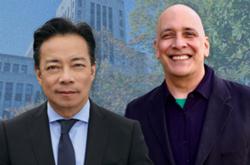
[Editor’s note: Musqueam Chinese Elder Larry Grant was born in 1936. His mother was a Musqueam cultural leader and his father was an immigrant from Guangdong province, China. When a government official discovered that Grant’s mother had married a non-status man in 1940, Grant and his siblings were stripped of their status and no longer recognized as Indigenous.
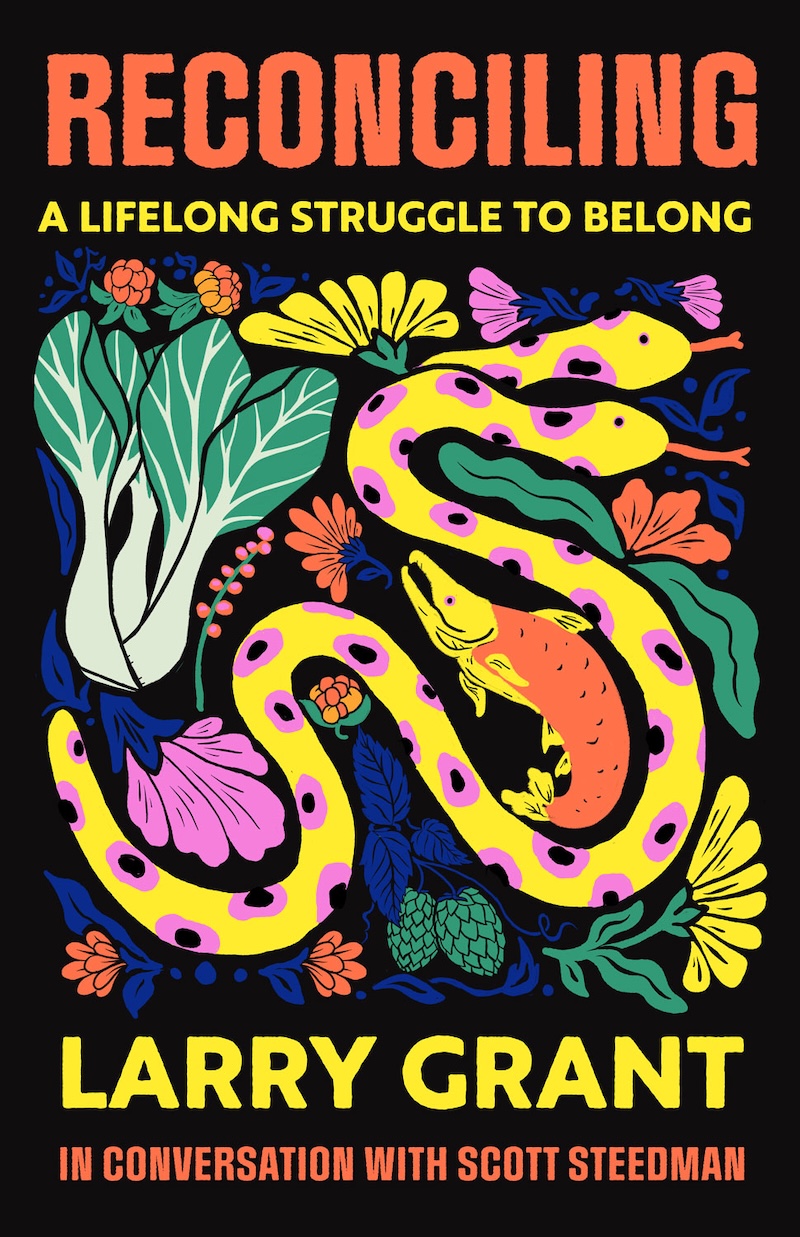
‘Reconciling: A Lifelong Struggle to Belong’ is a new book by Grant in conversation with Vancouver author Scott Steedman. Grant tells the story of his life and shares his perspectives on the future of reconciliation in Canada.
This excerpt from the book takes readers back to Grant’s school days at Lord Strathcona Elementary in the early 1940s. ‘In school, we were all equal, but off school grounds, the racial thing just popped right up into the open,’ Grant recalls.
This excerpt marks the first in a series of writing in The Tyee to mark the National Day for Truth and Reconciliation and the 10-year anniversary of the release of the Truth and Reconciliation Commission of Canada’s 94 Calls to Action.
Content note: This excerpt uses language reflective of the 1940s in which these scenes take place, but they are not reflective of how race is discussed today.]
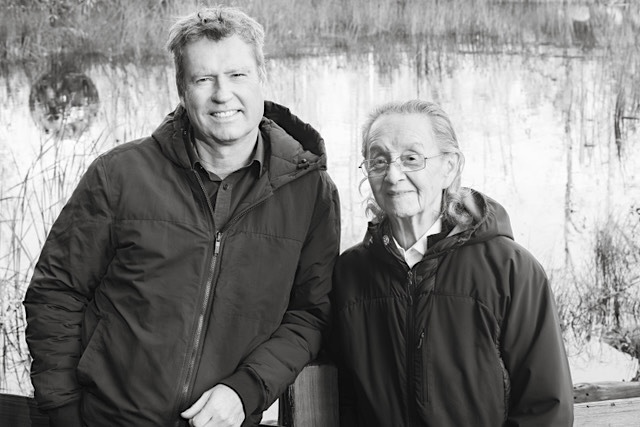
“It was a good school,” says Larry. “It had international students from around the world. Very mixed: Irish, Black, Japanese, Chinese, Italian. And a cafeteria — good hot lunch every day, for a quarter.”
It’s late June 2022, and Lord Strathcona, the largest and oldest school in Vancouver, has just closed its massive wooden doors for the year. Opened in 1891, it’s an imposing complex of stone and brick buildings that takes up most of a city block in Vancouver’s hardscrabble east end.
For more than a century, it’s provided classes from kindergarten to Grade 7 or 8 for some of the city’s poorest children, many from immigrant families. It has always provided health and food programs as well, and now includes a library, community centre and dental clinic on site, plus the only all-day junior kindergarten in Vancouver.
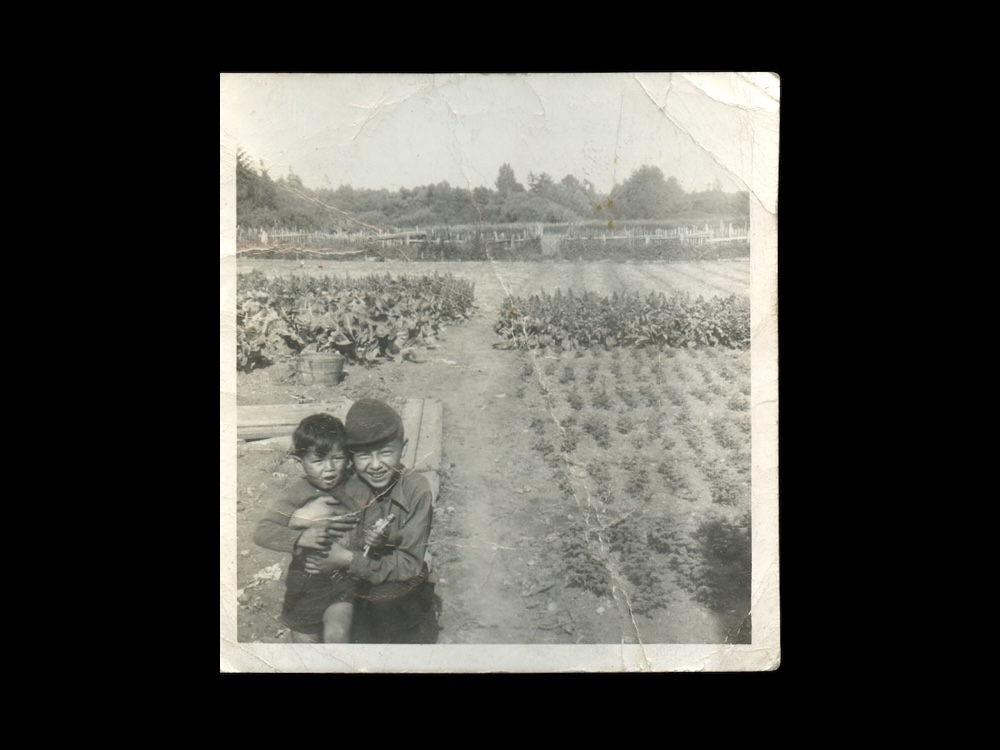
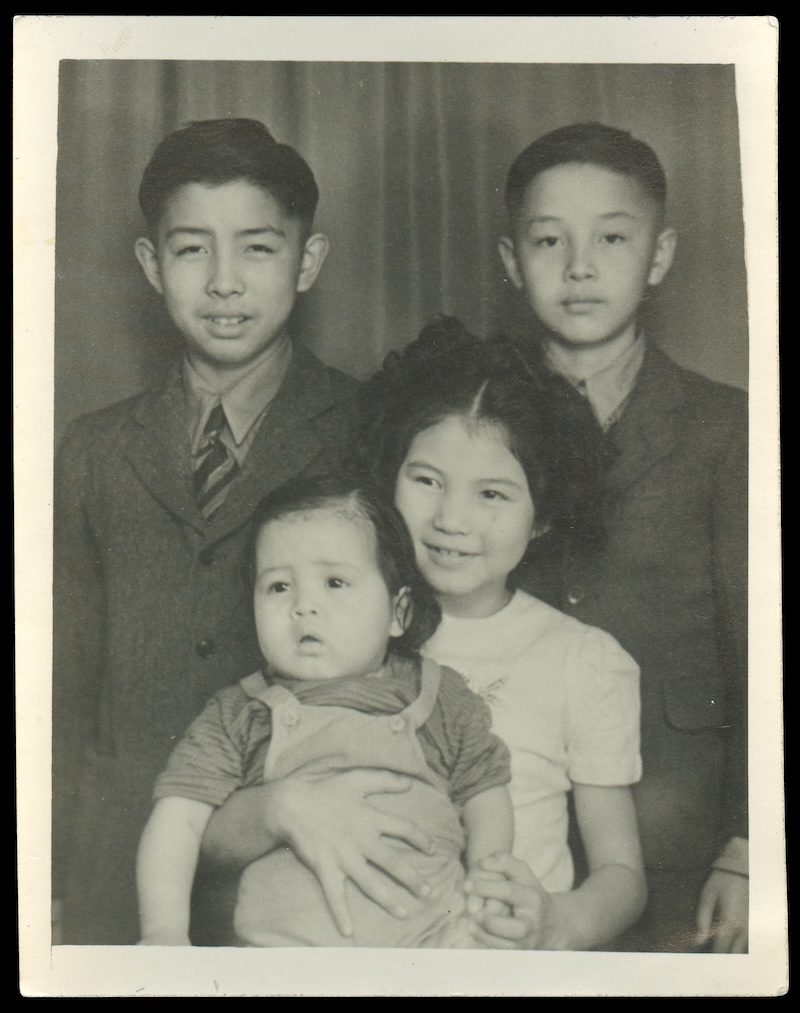
Larry and his elder brother Gordon started school at Strathcona in 1941, when Larry was only five, and went there for the next nine years. Gordie was a strapping lad and always took care of his little brother physically, which was lucky, because Larry was small but lippy and fearless and didn’t back down from fights.
“At that time, Strathcona was the centre of the immigrant area,” Larry says. “You have the railways: the Great Northern, the Canadian National, the Burlington Northern coming into the Science World area, and the Canadian Pacific ships coming in. Immigrants got off the boat or train and they would live there until they earned enough money to move out. So you got to see all the different nationalities. That to me was a wonderful learning experience. At the time it was just a part of life, but then you reflect on it and see it was an enormous thing that happened. Learning about Chinese, Indigenous and immigrants from all over the world — it’s quite an experience.”
Part of that experience was being called an Indian for the first time. On the reserve the kids sometimes taunted him for being Chinese: “‘Chinky Chinky Chinaman,’ you know... Then you’d go downtown to Strathcona school and the parents of the children, and the children, would call us ‘dirty Indians,’ ‘stinky smelly Indians.’”
In the ethnic hierarchy that dominated all interactions back then, the English (whose nickname was “Limeys,” a pretty mild insult) were at the top, with the Scots and Welsh just below them. The Irish were the third rung on the ladder.
“At the very, very bottom, after the Italians and the Poles and the Russians and all the Orientals — I get called old-school for using that word, but it’s the word they used back then — were the Indigenous people,” recalls Larry. “And just a little bit above them were the Chinese.”
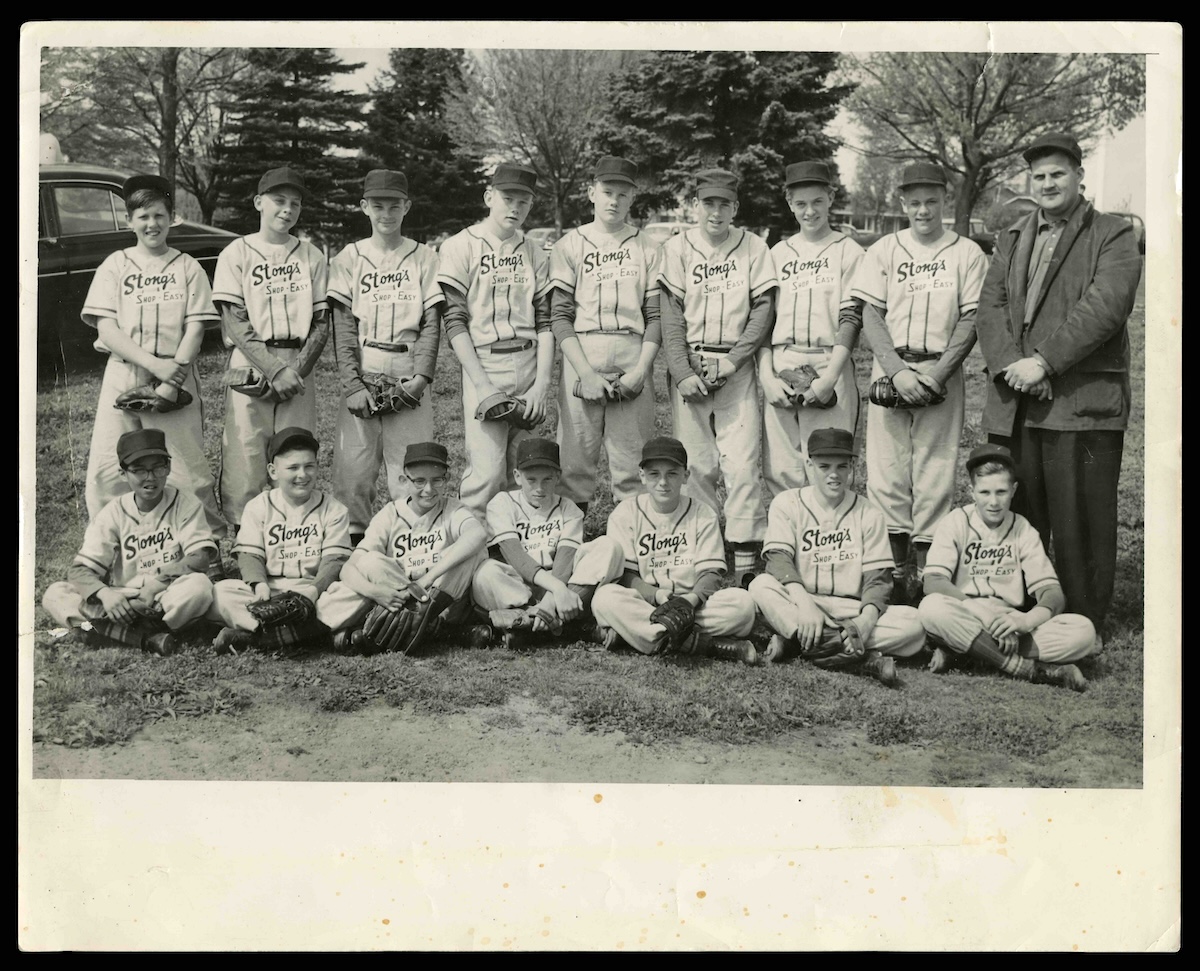
In the schoolyard or the soccer field, every ethnic group had a nickname. Larry soon knew every racial slur, and used them when he had to, depending on the situation. “My friends were Polish, Ukrainian, Italian, Chinese, Japanese, Black, Irish, gypsies. We all knew the slang words we could call each other, though we didn’t use them with ourselves. Except if we got into an argument, then we’d use them to retaliate.”
In the classroom, the teachers — who were mostly English or Scottish — treated all the students equally. “We were very, very fortunate in that school,” Larry says. “They all treated us with the same amount of respect, or disrespect, however you want to express it. They all said the same thing to us: ‘Your brain’s no bigger than my brain, my brain’s no bigger than her brain, her brain’s no bigger than yours. But we all have different wills.’”
“Like, willpower?”
“No, like, some will and some will not,” he continues with a laugh. “And if you can’t do that exercise, is it because you will not study? Do you think she gets an ‘A’ because she is smarter than you? She’s not! She’s more willing to do the work, that’s what you have to do. That’s how they treated us.”
Indigenous children were not allowed to go to regular public schools at the time; until the federal law was amended in 1951, they were supposed to be in Indian residential school. Gordon and Larry slipped through the cracks by being Chinese, which turned out to be tricky because their father had entered Canada under a false name, which was printed on their ID. Luckily for them, the school gave them the benefit of the doubt and decided their surname was Hong, not Jang, their father’s “paper” name.
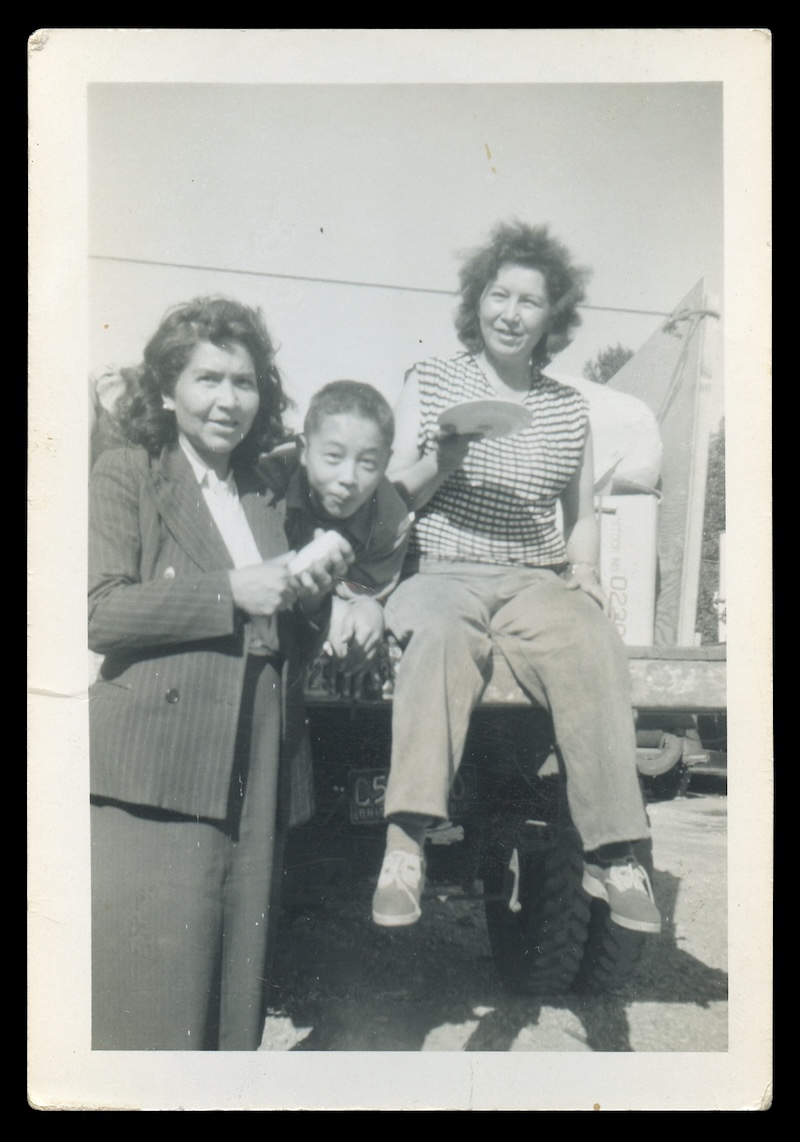
Apart from his brother and sister, Larry only knew of one other Indigenous student, a boy whose father was non-status and lived off-reserve. Larry had always thought of himself as a mix, and though he looked Chinese, he felt more Musqueam because his mother had raised him in that culture.
“She always maintained, quite vehemently, that, ‘You are a Musqueam person, regardless of what people say to you. You have Cantonese blood in you, but you are a Musqueam person. You belong to Musqueam, and if you remember that in your life, you will be able to go anywhere and do whatever you want and you will always come home to Musqueam.’”
That feeling of home was always in the back of his mind, a solace in all this racial turmoil.
When he moved on to the higher grades in school, Larry had differences with his history teacher and his homeroom teacher.
When they told the class that the land had been empty before colonization because it wasn’t used, he put up his hand and said, “No, my mother’s people were here. For how many years I don’t know, but they’re not farmers — they’re the Indian people. And the history doesn’t show it correctly. Our people helped the newcomers in surviving.”
“Well, it’s not written down, so how can you say this?” the teacher asked.
“Because my mother told me all of this, and my mother doesn’t lie,” Larry replied. “She wouldn’t lie about that.”
‘They think land is off across the water, but it is right here’
“This corner store was there back then,” says Larry. He’s looking in the tall window of Benny’s Market at Union Street and Princess Avenue in Strathcona, Vancouver’s east end. “It was a bit more expensive than the Chinese store. Probably still run by the same family.”
A plaque in the window confirms this: the store was founded by and is still run by the Benedetti family, who emigrated from Abruzzo, Italy, in 1909. A faded sign from the Coca-Cola company says, “Italian Foods, celebrating Benny’s 100th Anniversary.”
A sandwich board advertises the “Full Deli Inside: Hot and Cold Sandwiches, Specialty Meats, Olives, Cheese & So Much More. Home of the Famous Benny Burger!”
The streets of Strathcona haven’t changed much in the eight decades since Larry moved here in 1941. It’s still an inner-city residential neighbourhood just east of Chinatown and south of Hastings Street, a grid of streets lined with brick and wooden bungalows, low-rise apartment buildings and housing projects. Many are stucco, and many have full-length porches; some apartment buildings have rusty fire escapes.
Some houses are home to Chinese clan associations that aid new immigrants, like the Sam Duck Society at 462 Union, protected by metal bars and festooned with tattered flags in Chinese. Sirens wail and a fire truck roars past. The first responders ignore a man setting fire to a plastic bag in the alley, his green underwear showing above and through torn jeans.
“This is all new additions that replaced little houses,” says Larry as we walk west along Union Street. Eighty years ago, Strathcona was mostly little houses, an endangered breed all over Vancouver these days, bulldozed to be replaced by monster homes or condo blocks.
“There were always people sitting on the porch talking,” Larry adds. “The wives would be at home, the mothers. And very little traffic. Mostly walking. Everybody used public transit and lived close to where they worked.” Several streetcar lines met near here at Main and Hastings, including the number 14 that took Larry to 41st and Dunbar near the reserve.
“We live in such an artificial world now,” Larry continues. “We don’t know what it’s like underneath, the farms, the earth. The young ones are not grounded to the land they come from, compared to when we were growing up. It’s sad they don’t experience that, it’s all screens.
“A lot of our urban youth are disconnected from the knowledge of this interconnection and interdependency,” Larry says. “They think land is off across the water, but it is right here. It is just covered and locked in by paved roadways, sidewalks and parking lots. The urban landscape works very hard to keep us disconnected from the deeper knowledge of the territory and its Indigenous inhabitants.”
His thoughts return to the inner city in the 1940s. “We had bicycles. Racing across the old Georgia Viaduct downtown, the traffic was nothing. Riding from Main and Hastings back and forth on a bike was just normal, riding around Stanley Park, all over the waterfront.”
Strathcona, the school and the neighbourhood, was a huge learning ground for social mores. On school grounds, you had to respect other people, and they had to respect you.
Outside the school gates was a different world. “The Chinese fought the Italians, the Italians fought the Jews, the Jews fought the Blacks and the Blacks fought everybody,” Larry says. “And then there were the Japanese...”
So soon after Pearl Harbor, the Japanese faced a lot of prejudice. “A couple of our best friends had spent their childhood up in Aspen Grove and Ashcroft, in the concentration camps that most of those kids in Strathcona were sent to,” says Larry. “‘Internment camps,’ excuse me.”
From 1942 to 1949, Canada forcibly interned about 22,000 Japanese Canadians, more than nine-tenths of the Japanese Canadian population, in camps in the B.C. interior, after confiscating their possessions.
Back on Union Street, Larry is retracing his steps from school to Chinatown. “And the police, on the streets, although they don’t do racial profiling,” he says, shaking his head at the sarcasm.
“My friends were a real mix: Irish, Black, Japanese, Chinese, Italian. If we were walking down the street together and somebody threw a rock at someone, it would be, ‘You, you and you, get over here.’ And it would be the children of colour. In school, we were all equal, but off school grounds, the racial thing just popped right up into the open.”
Larry is writing this book in the hope that all our families and communities come to understand the hardships that many Canadians, especially Indigenous people, still live with today.
“Hopefully it will get into the school system, so children that have been indoctrinated into white society privilege get to hear about their school mates of colour,” he says.
“Children of colour experience racism from birth, so non-people of colour should be able to accept and read about it. Children are very good at understanding fairness and equality.”
Larry hopes to create meaningful dialogue and understanding between all of society, including those who have been colonized.
“We need to get together to work towards equality and a more equitable understanding, so we can live and work together for a better life for the whole human race. That can only happen changing one mind at a time.”
Excerpted in part from ‘Reconciling: A Lifelong Struggle to Belong’ by Larry Grant and Scott Steedman. Copyright © Larry Grant and Scott Steedman, 2025. Published by ECW Press Ltd. ![[Tyee]](/design-article.thetyee.ca/ui/img/yellowblob.png)
Read more: Indigenous, Books, Education







Tyee Commenting Guidelines
Please note that email notifications for replies are not currently working due to a software issue which may be resolved in a future update.
Comments that violate guidelines risk being deleted, and violations may result in a temporary or permanent user ban. Maintain the spirit of good conversation to stay in the discussion and be patient with moderators. Comments are reviewed regularly but not in real time.
Do:
Do not: