


 SHARE:
Everything worthwhile takes time. It’s a truth that often gets kicked to the curb in our increasingly frantic, frenetic times. But it’s worth remembering to take your time, smell the roses and thump a watermelon or two.
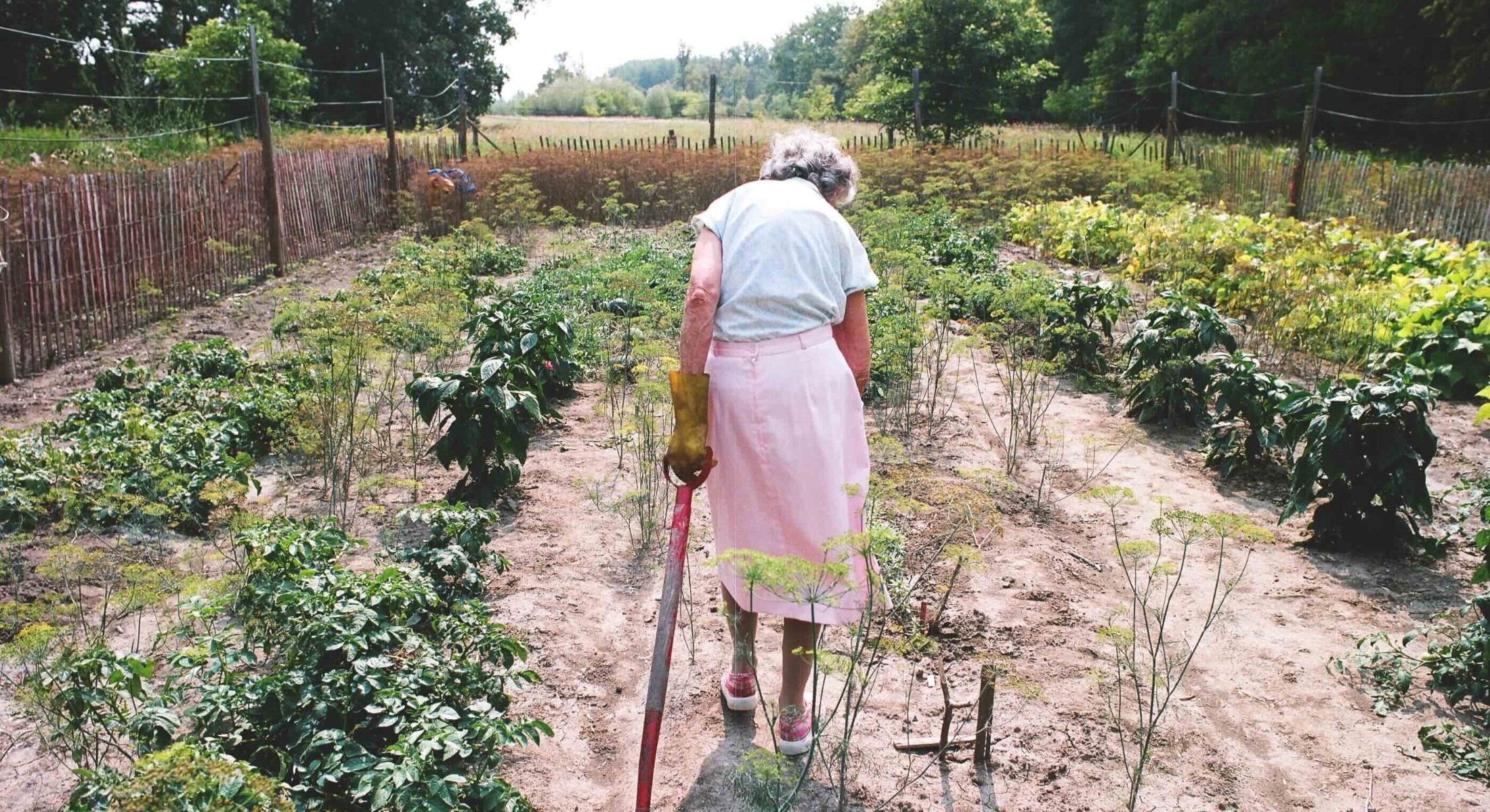
With this ethos in mind, I offer you Agatha’s Almanac, Amalie Atkin’s wondrous new documentary portrait that follows her aunt Agatha Bock through the routines of her life as she sustains herself on a 54-acre ancestral farm.
Bock is in her mid-80s when the film begins and in her early 90s when it ends. Between these two points is a world of experience. I do mean “world.”
From her mop of silver curls to her wildly colourful wardrobe to her penchant for radish sandwiches, Bock is a cinematic heroine for the ages with style to burn. As she informs her filmmaker and niece Atkins, when she found a shoe style that she particularly liked, she bought all of the remaining stock in different sizes and colours. Over the years, she has freely mixed different pairs, not worrying if they match.
It’s an approach that is emblematic of Bock’s worldview. Whatever is useful gets used. It’s a way of life that has served her well; everything this extremely resourceful woman needs is saved, repurposed or repaired, often with duct tape.
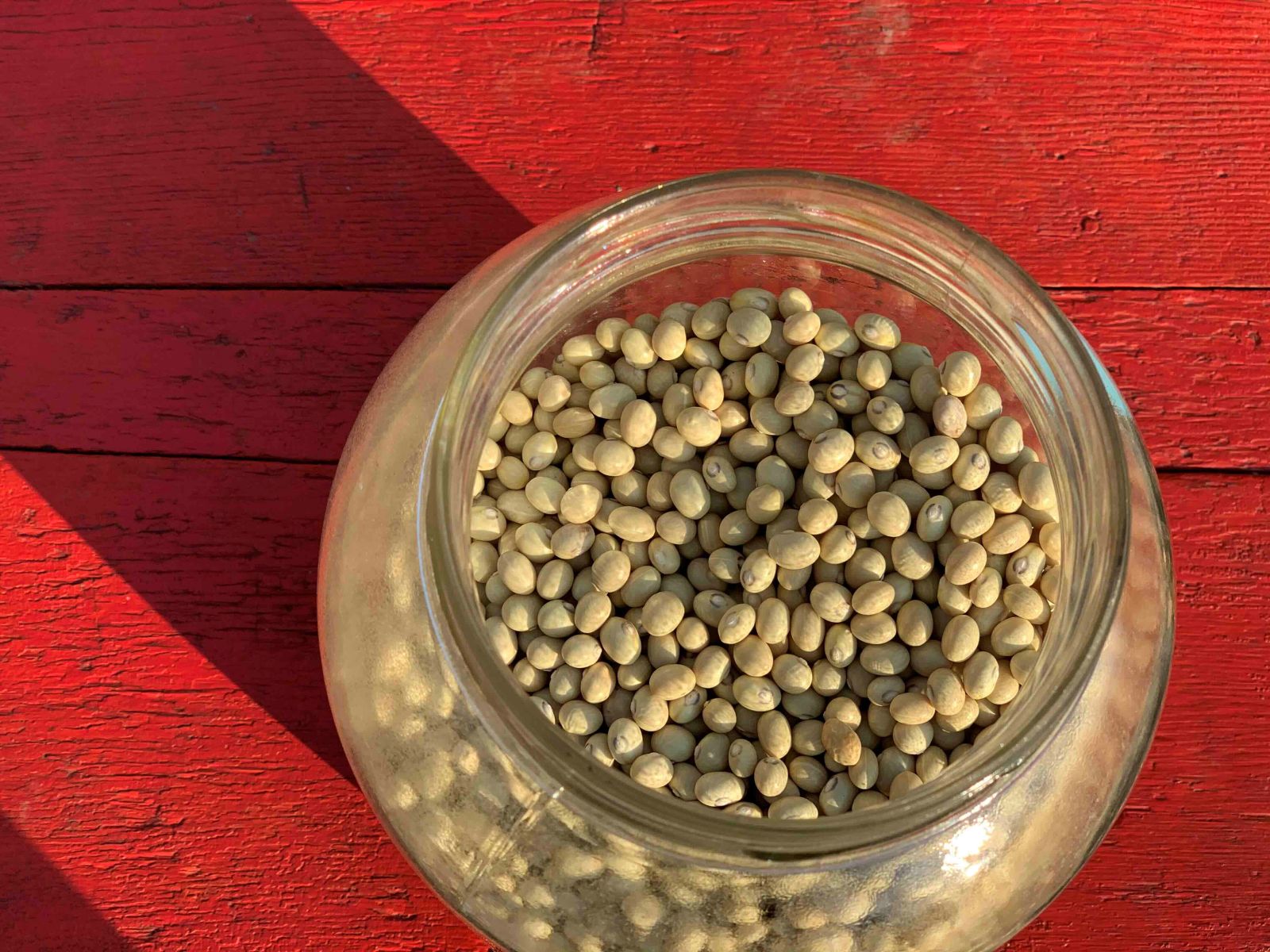
Tape figures large in the film. Bock uses masking tape to label an array of jars, shoeboxes and containers of all stripes and sizes. In her capable hands, tape is used to make labels for everything from a jar of heritage seeds saved from a long-ago harvest of watermelons, to a slip-on pair of slippers. Even a fan that no longer works gets a tape descriptor.
This form of advocating for the humble, the practical, the prosaic, is more than enough, but it also becomes its own aesthetic, giving rise to an extraordinarily ordinary form of beauty that steeps throughout the film.
The narrative is coloured with a gentle yet firm resolve that reflects the tone of an older generation — equal parts chipper and tough-minded. If you’re looking for epic action or a grander scale of subject, look elsewhere. In spite of the slower pace and winnowed focus (most of the story takes place in Bock’s rural Manitoba property), there is an entire universe contained in the measured movements of the narrative, aligned in concert with the shifts and turns of the seasons.
Winter’s harshness is set against the warmth and heat of summer. The curled tenderness of spring and the honeyed light of autumn blend into each other, rounding out the years. Time tumbling end over end in an endless yet gentle loop.
‘The Manitoba feeling’
Writing about her film prior to its screening in Toronto’s Hot Docs Film Festival where it won the Best Canadian Feature Documentary Award, Atkins provides a peek into the backstory of its creation.
“I sensed something just beneath the surface, an elusive presence I now think of as ‘the Manitoba Feeling’ — fractured histories held in the land, which are felt more than seen,” Atkins wrote. “These intangible currents connect us to place, story and each other.”
The narrative moves at its own pace, interrupted occasionally by sequences of animated gardening gloves or other lively ephemera. Bock narrates to the camera like she’s talking to an old friend, telling her own life story. Some of these recollections concern her early family life with her parents and siblings. There is both joy and terrible heartbreak. One baby sister dies in infancy. Another sister passes at age 20.
There were proposals of marriage, all of which Bock turned down for different reasons, although most of her refusals had to do with the selfishness of the men, who seemed primarily interested in procuring a cook or a maid, not an equal partner.
Although she has lived alone for most of her adult life, she’s not lonely, Bock explains. There’s always something to do.
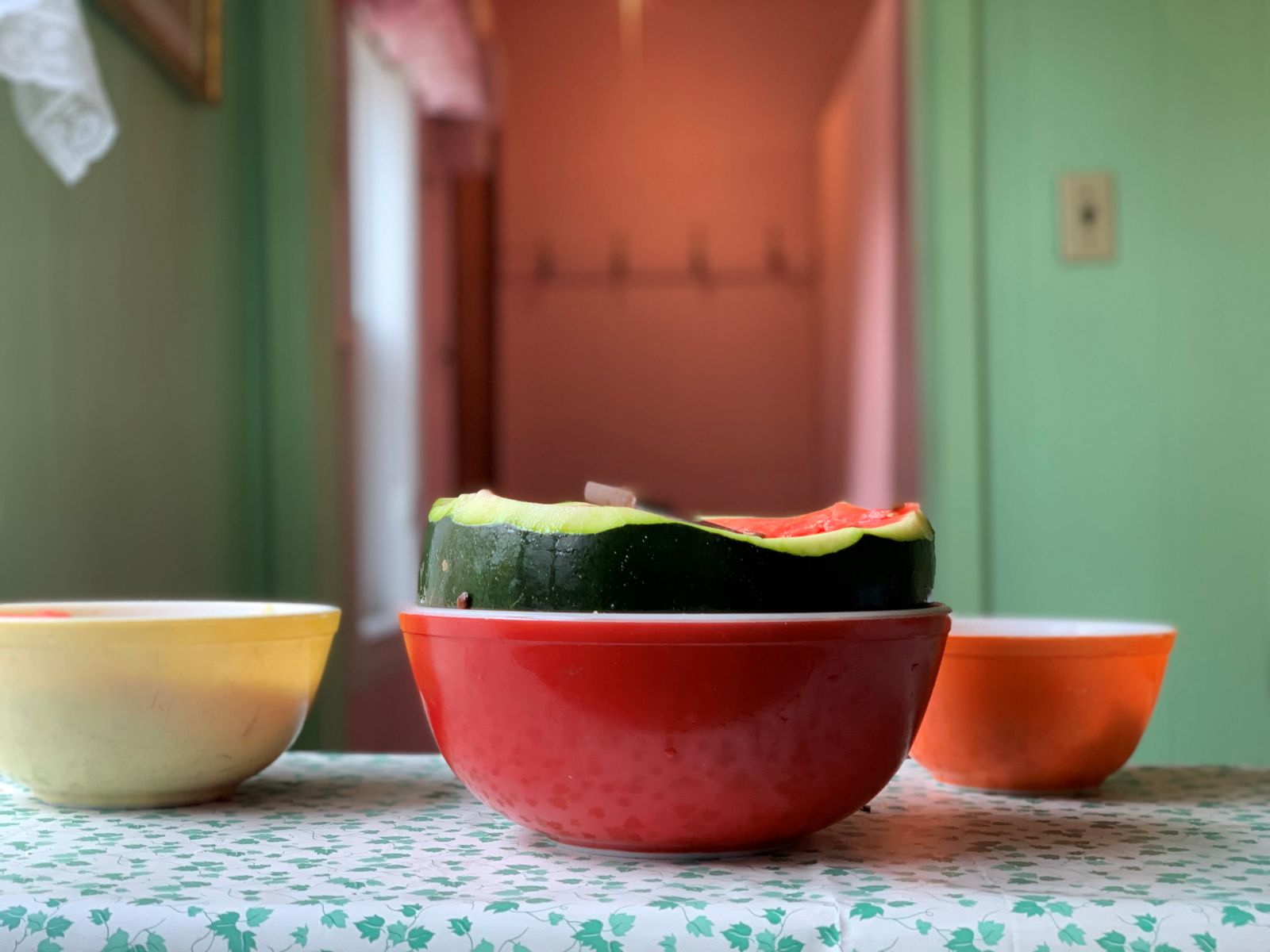
The demands of her large garden keep her constantly on the jump, trying to discern whether the dark green watermelons are ripe, giving each a good thump to ascertain their readiness to be picked.
An extended sequence in the film features Bock carefully slicing a 20-pound beast of a melon, explaining, all the while, how the dryness of a particular year affects the plants. In a summer with little rain, both vegetables and fruit grow thicker skins to preserve water.
The same might be said of humans. But beneath this tough outer layer is an unabashed sweetness and generosity of spirit.
A reminder of the power of the road less travelled
Made over the course of six years by an all-female film crew, the film’s bare-bones aesthetic (16mm filmstock and a wind-up Bolex camera) becomes an integral element of the narrative. The rhythms of Agatha’s way of life soak into one’s consciousness.
It’s easy to romanticize subsistence farming, but growing, harvesting and preserving food is incredibly hard work. In the case of Agatha’s homestead, she manages all this labour without the benefit of running water, a vehicle, or even a functioning telephone.
The film alludes in gentle fashion to other unseen aspects of Agatha’s life. Even as she is largely seen on her own, undertaking daily chores or puttering about in her garden, voicemail messages and recounted conversations with friends and family sketch out the fullness of her life.
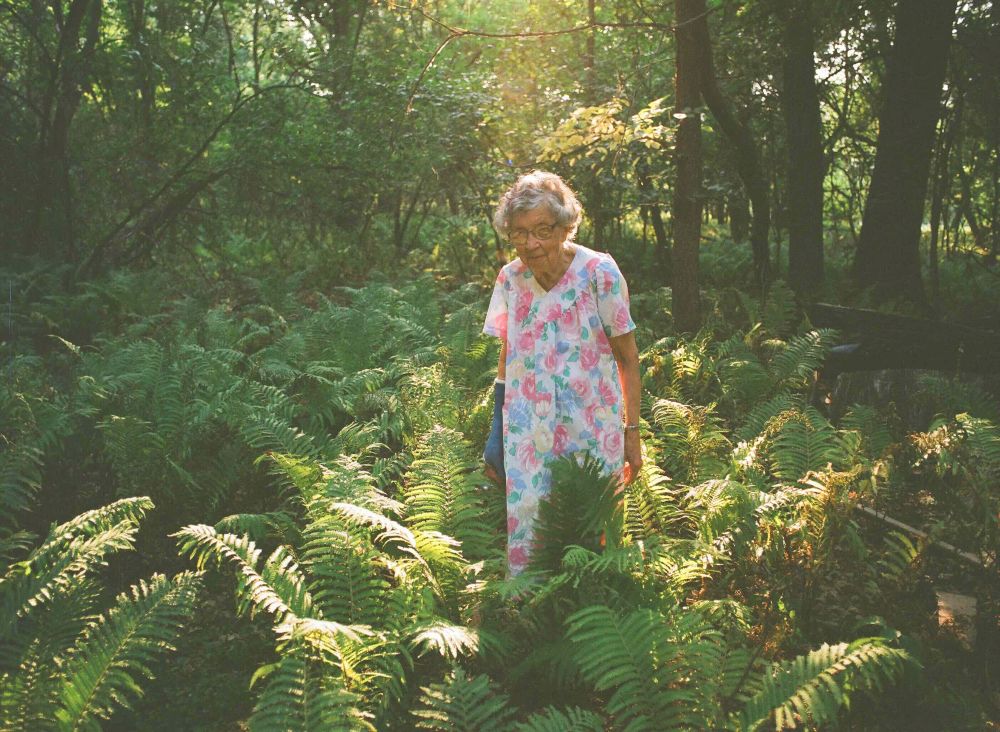
The challenges of dealing with age, health and community are not diminished, but they are dealt with.
Bock is not without her own health scares as she describes a particularly harrowing ordeal that landed her in the emergency room. But even in the direst of circumstances, she makes the best of it, talking about her fellow patients while in hospital and expressing her desire to get back to her beloved garden.
Bock reminded me of my own grandmother; she has the same 1940s-style sass and directness. She was an epic storyteller, a fashionista and towering character. Her impact continues to filter down through subsequent generations.
My grandmother was the original Dorothy. I am but a pale shadow of her, even though I bear her name. Growing up under her tutelage, I learned how to gut a chicken, make homemade root beer, turn the raw stuff of meat and vegetables, all grown on our farm, into an endless series of dinners and lunches.
My grandmother could transform almost anything into wine using dandelions, elderberries, birchbark. She seemed to possess all the mysteries of what it meant to be a fully grown woman, full of sass, snarky comebacks and wisdom for the ages.
Watching Agatha’s Almanac, memories of sitting in the kitchen of my grandparent’s ancient green farmhouse, listening to her spin one wild tale after another as we prepped, cooked and canned various foodstuffs, came flooding back.
As an immersion in a fully realized world, Agatha’s Almanac is so resolutely charming that there is no point in resisting its power. Let it remind you that there is another way to live lightly on the earth, with care and attention paid to the smallest of details. Things like how to preserve strawberries, how to deal with garden-eating bugs, when to plant, when to harvest.
It’s a reminder, not unlike the reminders that Agatha writes down on pieces of tape denoting a particularly good bucket, that there are infinite varieties of pleasures and gratitude to be had in a life well-lived.
‘Agatha’s Almanac’ screens at VIFF on Oct. 3, 5 and 9. Book tickets online. ![[Tyee]](/design-article.thetyee.ca/ui/img/yellowblob.png)
Read more: Film, Environment







Tyee Commenting Guidelines
Please note that email notifications for replies are not currently working due to a software issue which may be resolved in a future update.
Comments that violate guidelines risk being deleted, and violations may result in a temporary or permanent user ban. Maintain the spirit of good conversation to stay in the discussion and be patient with moderators. Comments are reviewed regularly but not in real time.
Do:
Do not: