


 SHARE:
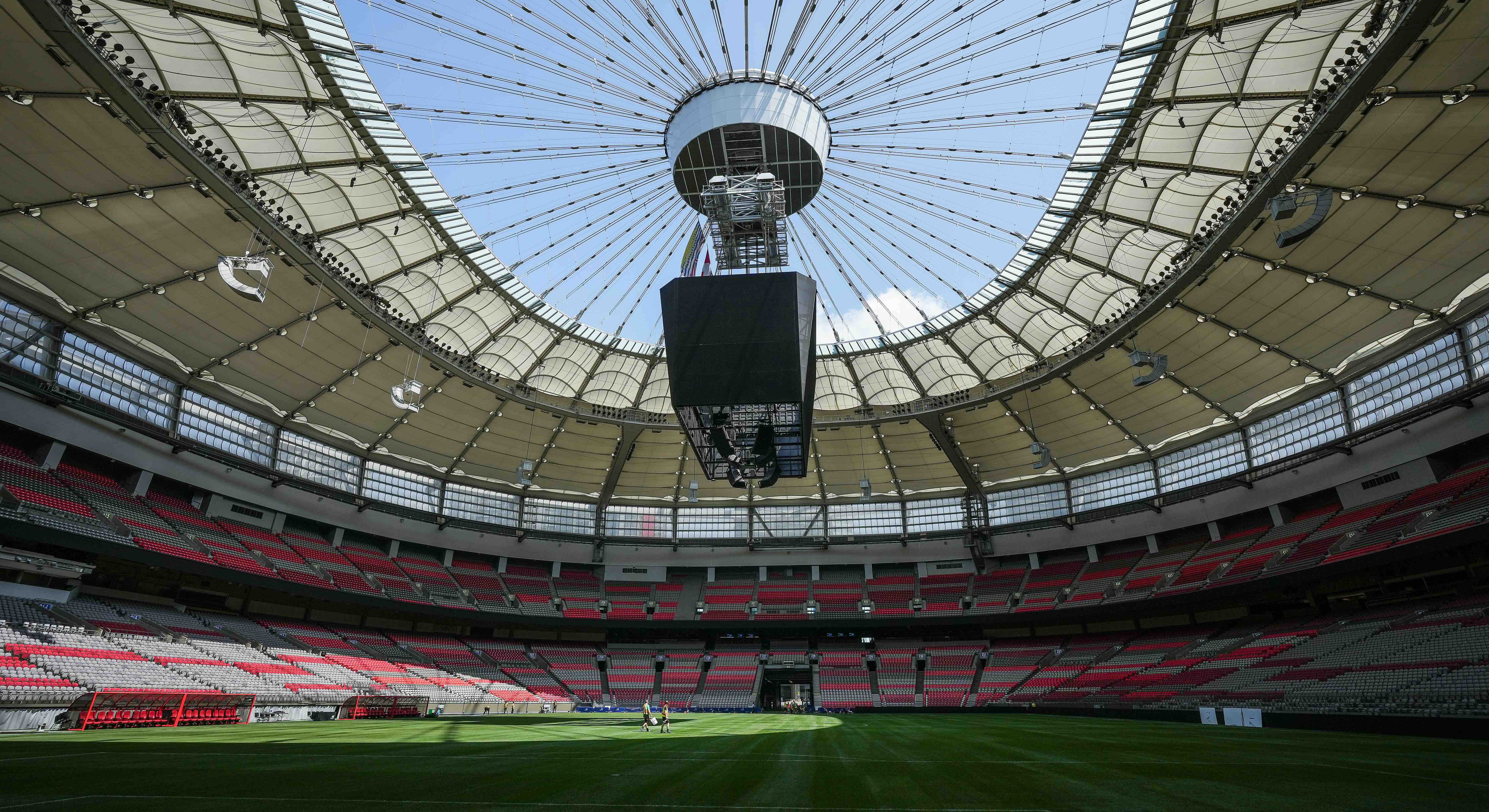
In just three months, Vancouver will join 15 other North American cities in hosting the FIFA World Cup, the most celebrated soccer tournament in the world.
Every four years, billions of soccer fans rearrange their lives around their country’s game schedule, pulling all-nighters to cheer across time zones.
In Canada, where hockey tends to take centre stage, soccer has quietly become the country’s most-played sport. With nearly one million active soccer players on Canadian fields, you might expect a lot of excitement about Vancouver hosting the men’s 2026 FIFA World Cup.
There is excitement, but there are also serious debates about whether the event is practical, worthwhile and ethical.
The 2026 tournament is co-hosted by Mexico, the United States and Canada, making it the largest World Cup in history. Some teams expect to travel up to 5,000 kilometres between games across North America.
This raises real concerns: the travel is gruelling for players and bad for the environment.
There are also worries about the safety of foreign players in the United States.
Growing tensions between the U.S. and Canada have led some people to call for a boycott.
And that was before the U.S. began its conflict with Iran.
We often think of sport as being separate from politics and social issues. As a social worker and researcher, I think sport tells us a lot about our communities.
In recent decades, Vancouver’s real estate market has made it hard for long-time residents to stay in the neighbourhoods where they grew up, weakening the city’s sense of community. As part of my research, I spent three rainy Vancouver winters running through the city, thinking about how sport helps to bring people together here.
In this city, sport is a double-edged sword: it can build community, but it can also deepen divides.
So what does the World Cup reveal about life in Vancouver today?
A long history of debate
Sport has played a bigger role in Vancouver’s history, and across its many communities, than may be obvious on the surface. In the city’s early days, discriminatory laws controlled where people could live and work. Yet sport offered ways for people to come together.
Seraphim “Joe” Fortes, believed to be from Trinidad, arrived in Vancouver in 1885. He became one of the city’s most beloved figures by teaching swimming — and saving lives — at English Bay. This is even more remarkable because racist policies at the time often restricted access for Black people and other racialized minorities from Canadian swimming pools.
In 2011, Canada’s first Chinese soccer team was inducted into the BC Sports Hall of Fame. The team had dominated Lower Mainland soccer in the 1920s and 1930s, a time when the Chinese community faced active exclusion from Canadian life.
In both the stories of Fortes and the soccer team, sport offered ways for Vancouver’s diverse citizens to come together, when much of society was organized to keep them apart.
As Vancouver gets ready for its seven World Cup games, debates about the impact of the event are heating up. The city is already short on hotels and affordable housing, raising questions about where visitors will stay.
Human rights groups say the city’s World Cup action plan fails to address how the event might affect vulnerable residents, especially those in the Downtown Eastside.
Soaring hotel prices will interfere with medical treatments and follow-up for Indigenous people and other rural residents who travel to the city for specialized care.
On top of it all, the planned two-month closure of the Hastings Skatepark, considered Canada’s best, will cut off access to local skaters, including athletes training for the Olympics.
Cities often chase major sporting events for the economic boost they bring. But Vancouver has been asking hard questions about these events since 1954, when it hosted the Commonwealth Games.
Back then, residents wondered who would really benefit and whether public money should be spent on sports while, as one 1953 Vancouver Sun article put it, “You’re lucky to get a bed in a [hospital] corridor.”
The city hoped that the Commonwealth Games would put Vancouver on the map, but critics questioned the colonial values they were celebrating.
More than 70 years later, the FIFA World Cup Fan Zone will be held at that same site — Hastings Park.
The setting feels fitting, since the debates have barely changed.
What we learned from the 2010 Winter Olympics
The legacy of the Vancouver 2010 Winter Olympic Games is complicated. The city had promised that hosting the Olympics would get more people active, and the lead-up did focus on healthy living. The messaging didn’t do much to make that lifestyle affordable for low-income people though. The result? Sports participation went up slightly, before falling right back.
The sense of community the games created didn’t stick long term, either, and it was never equally shared to begin with.
In the Downtown Eastside, heavier policing during the games made some residents feel like strangers in their own neighbourhood. The city did protect some low-cost housing, but the area has grown more gentrified since 2010.
Still, the Olympics left some lasting marks. The push for active living did seem to help create new ways for people to come together, by building on the shared values that the games fostered — I tackled this in my 2024 University of Ottawa doctoral thesis titled Running to Recovery: A Carnal Sociologically Inspired Study of Change in Substance Use.
A good example is the city’s first social run clubs, launched by a then-small young local company, Lululemon. Social run clubs have since spread across Canada, but there is something very Vancouver about how they took shape here. Together, Vancouverites run the streets, taking in magnificent views that reinforce their connection to home before ending with a beer at a neighbourhood brewery.
The true cost of the World Cup
So if sport has helped shaped Vancouver, what might this World Cup do?
Soccer stirs national pride, and that feeling travels with people far from home. Every four years, members of Vancouver’s many communities pack restaurants and bars on Commercial Drive to watch their teams play.
The wins and losses bring them together, not just as Italians, Brazilians or Brits, but as Vancouverites. With Team Canada playing two home games in Vancouver, there will probably be more excitement than ever from Canadian soccer fans.
But with ticket prices out of reach for most residents, watching from the stands at BC Place will be a luxury few can afford.
The 2026 FIFA World Cup has raised big questions about the environment, human rights and global politics. Next to all that, the cost of tickets might seem like a minor complaint. But it might actually get to the heart of the matter.
Vancouverites are being asked to pay a real price for these games, not just in taxes, but in disrupted medical care, heavier policing and lost access to public spaces.
If residents can't even afford to attend, it’s fair to ask: who are these games really for?
Sports play an important role in the city, but there is a disconnect in their role. At the local level, sports create and foster community amongst Vancouverites. But with every big sports event Vancouver has hosted, it has wrestled with what residents will have to sacrifice for them.
Maybe the key question here is how future major sports events might better reflect how Vancouverites come together through sport. Could the excitement surrounding the World Cup, and the feelings of civic pride it is likely to foster, help push this conversation forward?
Sport has helped bridge racial divides throughout Vancouver’s history. It has created new forms of community, such as in its vibrant social run club scene and its world-class trail running events, after the real estate market shook longstanding existing ones. Could sports also help bridge other social divides?
How might future major sports events in Vancouver build on the city’s own relationship to sport, and the connections that it draws between people?
Closing the gap starts with a simple question: are we building these events for Vancouver, or just in it? ![[Tyee]](/design-article.thetyee.ca/ui/img/yellowblob.png)
Read more: Rights + Justice, Sports, Media




Tyee Commenting Guidelines
Please note that email notifications for replies are not currently working due to a software issue which may be resolved in a future update.
Comments that violate guidelines risk being deleted, and violations may result in a temporary or permanent user ban. Maintain the spirit of good conversation to stay in the discussion and be patient with moderators. Comments are reviewed regularly but not in real time.
Do:
Do not: