


 SHARE:
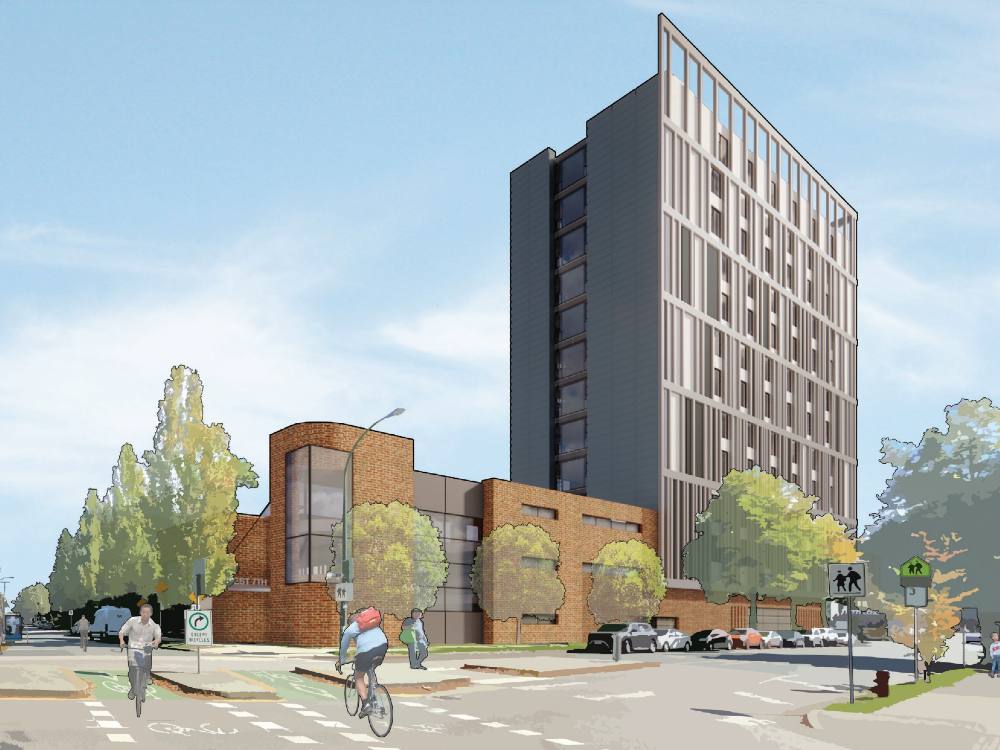
Residents in Vancouver’s affluent Kitsilano neighbourhood waged a fierce three-year legal and political battle against a planned supportive-housing development on city-owned land.
They won. In April the city backed down, signing a consent agreement to halt rezoning for the project and paying the Kitsilano Coalition $3,445 in legal costs.
Advocates fear this is just the latest sign of a bleak future for supportive housing in the province.
The project was fought by the Kitsilano Coalition. It argued in court that the city’s public hearing on the project before city council approved it was conducted unfairly.
The group also argued against the province’s approach to supportive housing, calling it a failed model that’s “unsafe for occupants and residents.”
Lucy Maloney, a councillor with OneCity Vancouver who was elected in an April byelection, is concerned the city’s decision to stop fighting will put other housing developments in peril and could raise costs for taxpayers.
“I think there’s potential for more expensive litigation going forward,” Maloney said, “and I think that it makes it more likely that public hearings will be challenged in the future when they're controversial and well-resourced groups don't like the outcome.”
People who work with homeless people to help them find housing say the decision is just another example of wealthier residents discriminating against poor people.
“The Kitsilano folks who put so much energy into fighting this — they could have taken a really unique approach and put their energy into being part of a solution,” said Nicole Chaland, a housing researcher who studies homelessness and advocates for unhoused people.
“I honestly think that would begin with a very human approach, talking to the future residents,” Chaland said. “Instead of spending, I’m assuming, a lot of money and time and resources, they could have come up with a proposal from the [supportive-housing] residents and themselves.”
But Cheryl Grant, a Kitsilano Coalition member, said it’s untrue that residents rejected the supportive housing because of class discrimination.
Members of her group believe the 129-unit building would not have worked for either the residents or the existing neighbours, and community members had valid concerns about safety and open drug use, she said. The site is located across from a school and a playground.
“This is a broken form of housing,” Grant said, adding that the Kitsilano Coalition wants to see social housing that includes a more mixed population of people who need affordable housing. (The proposed project included 129 units, with half for below-market rental and half for supportive housing.)
Supportive housing is intended to provide stable housing for people who are already homeless or are at risk of becoming homeless. The model is supposed to provide supports for people who might not be able to stay housed because of mental health, behaviour or addiction problems. The buildings — which range from century-old single-room occupancy hotels to purpose-built buildings — are usually run by non-profit organizations that receive funding from the government.
But the buildings have also become a focus of concerns about crime, violence, property damage, extreme hoarding and open drug use associated with some of the buildings. That’s left many people with a negative view of the housing model.
Some supportive-housing residents have also come forward with horror stories about conditions inside some buildings.
The province has expanded supportive housing in response to a jump in homelessness during the pandemic. Vancouver has about 8,000 units and there are 9,700 across the province.
In February, Vancouver city council voted to pause any new supportive-housing developments that are not already being developed or planned to replace aging buildings. Mayor Ken Sim said Vancouver has assumed too much of the burden of housing homeless people and other cities in the region need to step up.
But Maloney said pausing supportive housing doesn’t help solve the city’s homelessness crisis and it’s not what she heard from voters during her election campaign.
“They want to see the homelessness crisis solved,” she said. “They don't want to see leadership on city council pointing the finger at other levels of government or other municipalities to solve the problems that Vancouver city council has power to make inroads on.”
Let’s take a closer look at Kitsilano Coalition’s lawsuit and the state of supportive housing in B.C.
Kitsilano Coalition’s legal fight
The 13-storey social-housing project at Arbutus Street and Seventh Avenue went through over 30 hours of public hearings where 300 speakers were heard. Council also received 2,000 written comments.
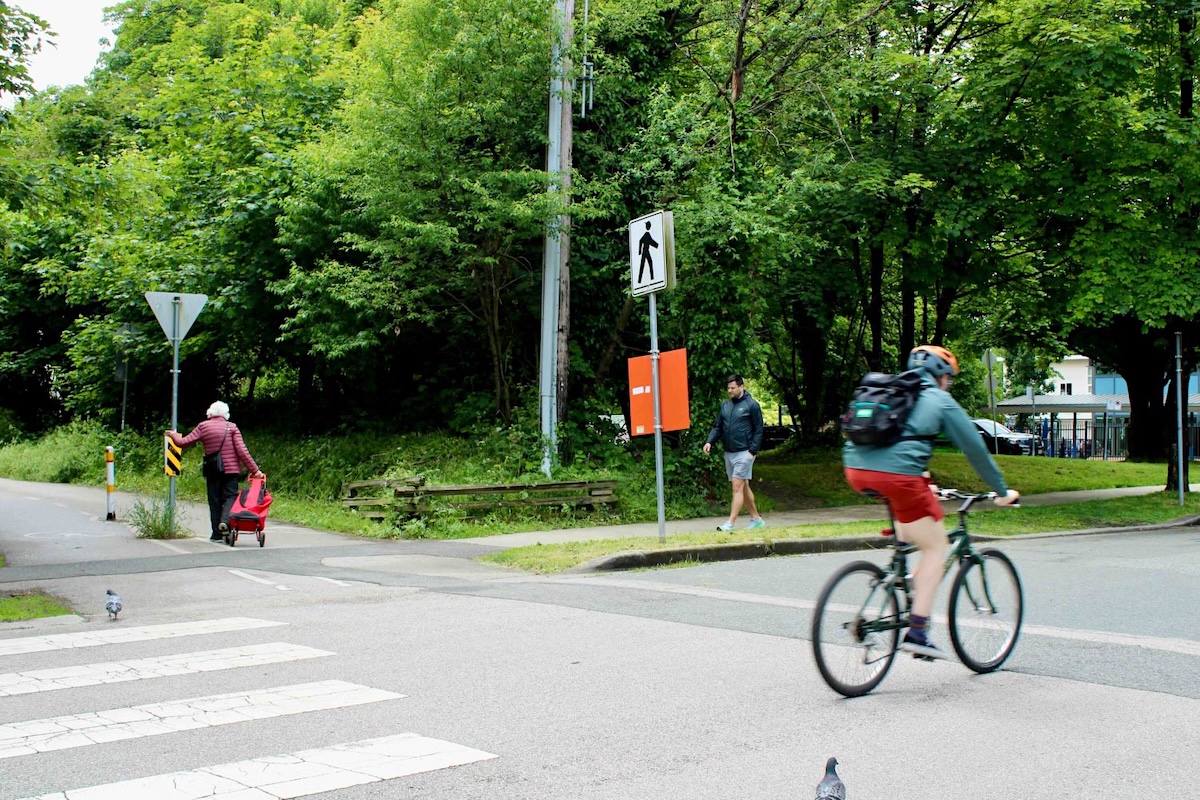
On July 26, 2022, council voted to approve the rezoning of the site to allow the project to proceed.
The Kitsilano Coalition filed a lawsuit contending that the public hearing process had been unfair because a memorandum of understanding between the city, BC Housing and the Canada Mortgage and Housing Corp. had not been publicly released before the public hearing.
The coalition was also unhappy that several speakers had been cautioned not to talk about their fears that supportive-housing residents would be a safety threat, under the grounds that those comments were discriminatory.
In 2023, the province introduced legislation intended to prevent the Kitsilano Coalition’s lawsuit from delaying the housing project, which would “provide critically needed housing for people in the community,” according to Housing Minister Ravi Kahlon.
But that legislation sparked a new legal petition from the Kitsilano Coalition, which now argued the provincial legislation was unconstitutional. While the coalition initially lost that lawsuit, a B.C. Court of Appeal ruling in December found that the provincial legislation was unconstitutional and allowed an appeal to go ahead.
On April 30, the City of Vancouver agreed to quash the rezoning. In an emailed statement, city staff told The Tyee “the Court determined that the Act unlawfully interfered with the judicial process by attempting to override the Court’s authority to review and decide legal matters. This interference violated the constitutional principle of separation of powers, which requires the legislative and judicial branches of government to function independently.”
Staff say the city will now work with BC Housing on the next steps for the site. The city doesn’t think there’s a risk this decision will affect other social-housing projects, the statement said.
The response said the consent order is an acknowledgment “the public hearing relating to this specific project was procedurally flawed.”
“The City is paying costs to the Kitsilano Coalition as the Kitsilano Coalition raised a valid legal argument that the City has acknowledged would have been successful if the matter had proceeded to a hearing.”
The staff response goes on to say that after council voted to suspend any new supportive housing, the city’s focus is on replacing single-room occupancy hotels and temporary modular housing buildings.
Nick Wells, a spokesperson for Union Gospel Mission, said the city’s decision to abandon the fight against the lawsuit is creating added uncertainty for organizations planning new supportive housing.
“This was an in-stream project, and to see the city back away is concerning,” he said.
The state of supportive housing
Karen Mills runs Peer2Peer Indigenous Society in Victoria and works as a housing navigator to help find housing for clients. She said the lengthy court battle against the Kitsilano project illustrates a dynamic that’s happening across the province.
“It’s not just Vancouver — it’s everywhere,” she said. “People just don’t want supportive housing in their neighbourhoods, and they also don’t want to see homeless people. There has to be some give somewhere — you can’t have both.”
Mills once lived in supportive housing and said it was a path out of homelessness, allowing her to work on other priorities and move forward to make a better life.
Mills pointed out that while people who already live in a neighbourhood have ample access to let city council hear their thoughts about new housing, the future residents of supportive housing are not consulted.
When new supportive housing is being proposed for a neighbourhood, Mills said she’d like to see a process where existing residents get to know the supportive-housing residents, attend community events together and develop a relationship with the building operator.
Chaland called the cancellation of the Kitsilano project “sad” and “such a mess.” She said she’s been observing a similar dynamic in Victoria, where housed residents are strongly opposing a proposed supportive-housing project that is currently delayed.
Meanwhile, Chaland said, Victoria’s city council is trying to fast-track homeless shelters — a much worse form of housing than supportive housing.
Mills and Chaland acknowledged that existing supportive-housing buildings are not always working to keep people housed and to keep residents safe.
Chaland said the province needs to work to gain public trust in the model and take a hard look at some of the problems with the way it’s been rolled out.
“Some low-barrier housing is just warehousing,” Mills said, a way to get homeless people out of the public eye, but not set them up to stay housed.
Chaland called on the province to be more transparent about supportive-housing outcomes like the number of evictions and to commit to providing many of the supports that are currently missing from supportive housing.
After many years of trying to help people navigate B.C.’s supportive-housing system — and seeing clients get evicted back into homelessness — Chaland said there needs to be more attention paid to helping people overcome trauma, get healthier and gain the skills needed to stay housed.
While some high-profile buildings with a lot of problems get a lot of media attention, Chaland said she doesn’t think the public perception that all supportive housing is chaotic and violent is justified.
“I think there is a lot of supportive housing that people are unaware of because it operates kind of peacefully,” she said. ![[Tyee]](/design-article.thetyee.ca/ui/img/yellowblob.png)
Read more: Housing, Municipal Politics









Tyee Commenting Guidelines
Please note that email notifications for replies are not currently working due to a software issue which may be resolved in a future update.
Comments that violate guidelines risk being deleted, and violations may result in a temporary or permanent user ban. Maintain the spirit of good conversation to stay in the discussion and be patient with moderators. Comments are reviewed regularly but not in real time.
Do:
Do not: