


 SHARE:
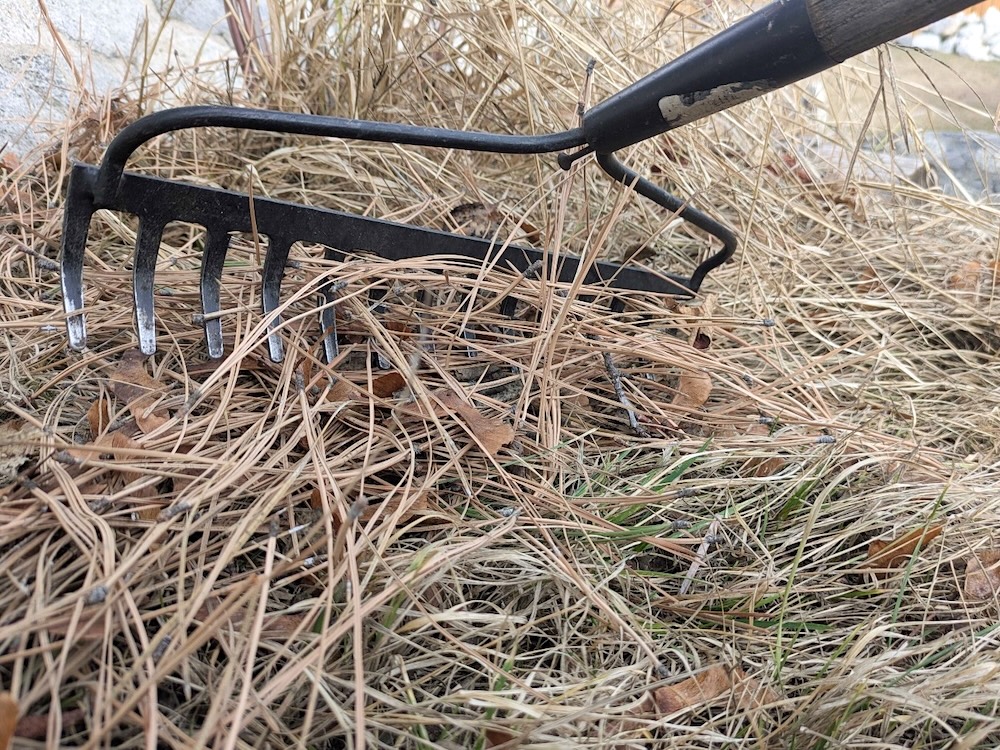
As provincial politicians look to trim B.C.’s deficit, their municipal counterparts are worried about the future of a program that helps protect communities from wildfires.
In recent years, the FireSmart Community Funding and Supports program has distributed about $40 million each year to municipalities, First Nations and regional districts to reduce fire hazards near homes.
Now the program’s money is running out, and communities will be competing against one another for funding. They’re also being told they can’t use money to help with the costly work of wildfire fuel management.
With the province set to deliver its budget this week, there is no indication the program will be renewed.
In an email to The Tyee, Forestry Ministry officials said the province is changing how it funds FireSmart interventions across the province and moving to a “more holistic provincial approach.”
Local politicians and wildfire officials are sounding the alarm, saying the program provides vital support to help residents increase the likelihood their homes can survive if a wildfire encroaches on their community. As Leonard Hiebert, the representative of a rural area in northeastern B.C., told The Tyee, “If it’s not broke, don’t fix it.”
The money is running out
Since 2019, the FireSmart program has distributed millions to communities across the province. Much of the funded work has involved hiring co-ordinators who create community plans to reduce fire hazards and educate local residents on steps they can take to reduce risks on their properties.
The money is funnelled from the province to the Union of BC Municipalities, which then distributes it to local governments that submit applications. The program has facilitated the hiring of about 100 such co-ordinators across the province and supported FireSmart assessments across thousands of properties, UBCM president and Prince George Coun. Cori Ramsay told The Tyee.
“Education has proven especially effective, as participants share knowledge with neighbours and drive community-wide change,” she said.
But in late January, UBCM announced that funding is running out, and that with $25 million left, applications for the coming spring would be evaluated against one another. Communities are also being told they can’t use the money to undertake expensive fuel management efforts aimed at reducing woody debris around communities.
In a statement to The Tyee last week, a provincial spokesperson wrote that “wildfire mitigation activities will continue around communities who are affected by wildfire risk.” But the statement said the way the work is funded is changing.
“Funding is now moving towards a more holistic provincial approach where mitigation work is done where risk is highest throughout the province, instead of which community has capacity for grant funding,” the statement said.
Asked whether the province would maintain previous levels of FireSmart funding, a spokesperson wrote that “as provincial support for wildfire prevention and mitigation has evolved wildfire risk reduction is now managed provincially” because wildfires don’t respect municipal boundaries.
The news that the program’s funding hadn’t been renewed has already set off alarm bells in many communities that have relied on FireSmart funding to facilitate wildfire mitigation work.
“As with so much from the province, it came through with no warning,” Ashcroft Mayor Barbara Roden told The Tyee. Roden, who also is the chair of the Thompson-Nicola Regional District, described the news as a “bombshell.”
She worries that the provincial government’s efforts to reduce spending will spell the end of the program.
“There’s no money. That’s something we’ve been consistently hearing,” Roden said.
Having received money last year to undertake planning work, Roden said, Ashcroft is hoping to access money this year that would allow it to put its plans into action by directly educating residents and connecting them with rebates to help with the cost of activities such as the removal of cedar hedges.
She said Ashcroft and other communities now face uncertainty about whether they will receive money for that work this year — and whether or how they might facilitate FireSmart work without provincial funding.
Fire officials in Okanagan communities such as Kelowna have also expressed concern but promised that FireSmart work will continue, even without the funding source.
Roden told The Tyee that smaller communities like hers are desperately in need of provincial help.
“This really has the potential of having a huge negative impact on the small, rural communities on the frontline of wildfire that can least afford to fund this program,” she said.
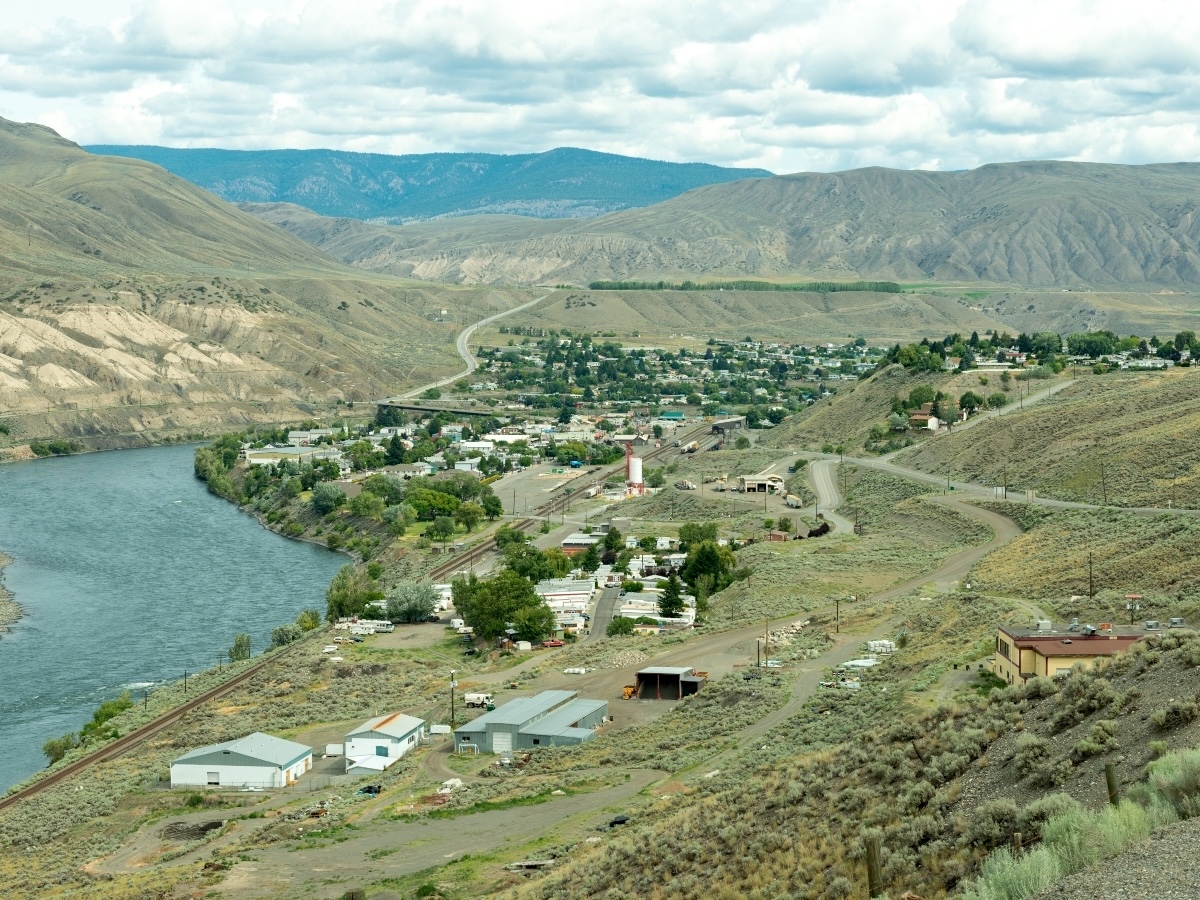
Clearwater Mayor Merlin Blackwell told The Tyee that he had similar concerns. He said he hoped larger communities would “have mercy” and defer to towns with fewer resources.
One wildfire management specialist said funding cuts endanger the on-the-ground work that is critical to identifying places and homes at risk.
FireSmart officials are “standing on people’s front yards, shaking their hands, listening to people’s worries, people’s vulnerabilities, people’s desire to help and change things,” said the specialist, whom The Tyee isn’t naming because they weren’t authorized to speak on the subject.
The wildfire specialist said reducing funding to allow only some communities to access funds risks a patchwork approach.
“A founding pillar of FireSmart, and of resilience in emergency management, is that there is strength in numbers,” they said. “If your neighbours are prepared as much as you are, there is a greater chance of your property surviving a wildfire. That goes for neighbouring jurisdictions at a local government level as well.”
Government officials and politicians have previously hailed the program’s importance.
“By providing these grants to communities, we’re working to keep people safe and protect the infrastructure we count on,” Vernon-Monashee NDP MLA Harwinder Sandhu was quoted as saying in a government press release in 2022.
The province’s statements to The Tyee suggest the government could be looking to centralize wildfire prevention initiatives.
But Roden and others worry that the shift could leave some communities without funding that had previously been provided — and thus at more risk of a devastating fire.
“We’ve heard so much about the need for prevention and mitigation before these fires take hold,” Roden said. “So spending the money to prevent them or spending hundreds of millions to clean up afterwards: which one’s more sensible?”
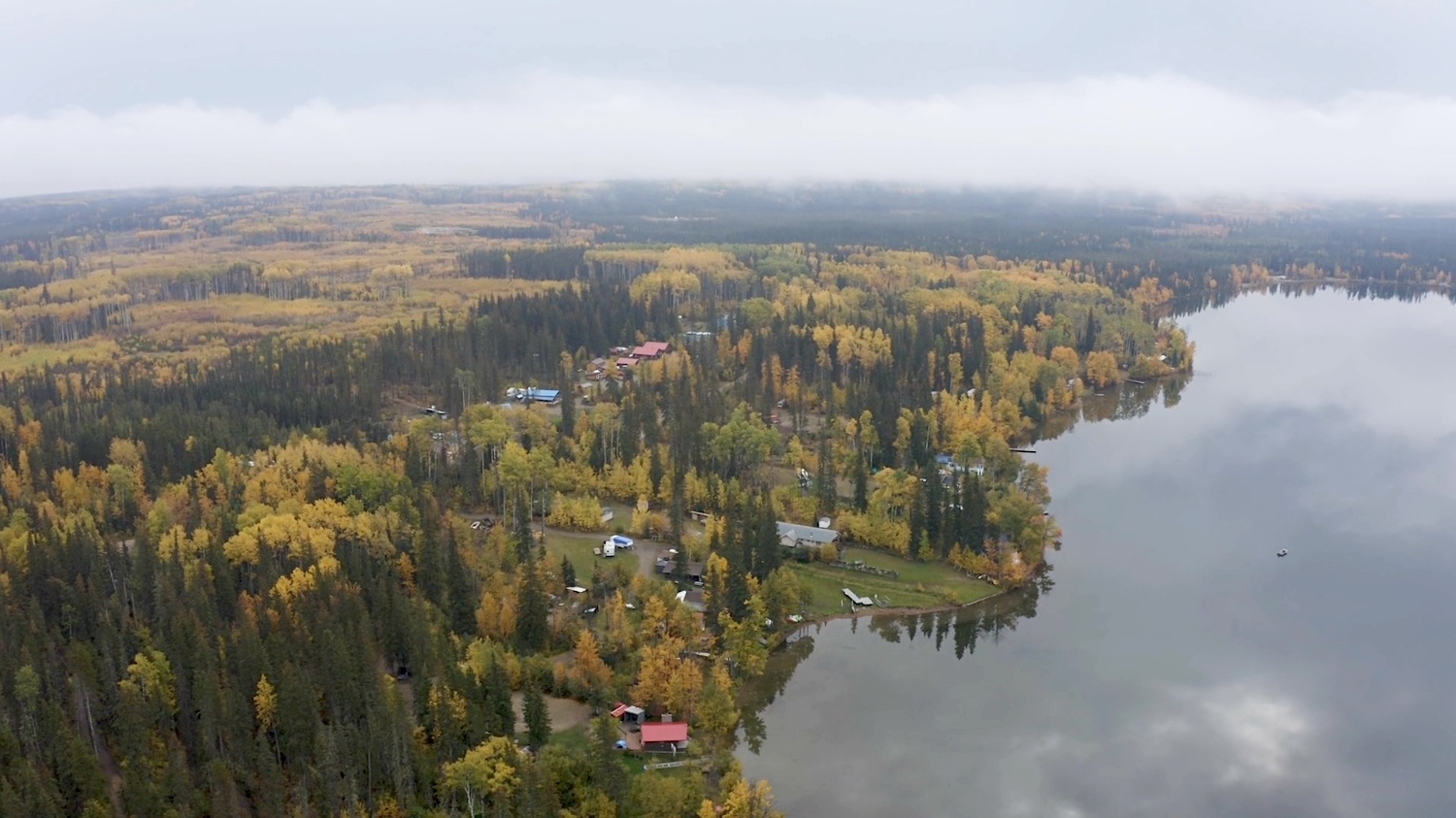
Leonard Hiebert, a vice-chair of the Peace River Regional District, said evidence of the program’s success can be seen in One Island Lake, a small lakeside community surrounded by forest east of Tumbler Ridge. The area has seen multiple massive fires in recent years, and Hiebert said FireSmart techniques stopped the fires from “wiping out” the homes in the area.
“The funding allowed us to [educate] our residents,” he said. That education was crucial because fire risks are not always obvious.
Hiebert noted that having decorative lattice around a deck, for example, can increase risk by preventing homeowners from observing and cleaning up woody debris. He said the program was particularly useful in helping educate and connect with seniors living in rural areas — and that recent droughts have compounded those needs.
“It's become a staple in our communities for the FireSmart to come out every year,” he said.
Hiebert said removing existing programs could leave communities at risk.
“Right now what they have in place is working, and changing it now could actually be detrimental and set us backward.”
If you have a story tip, contact reporter Tyler Olsen in confidence via email. ![[Tyee]](/design-article.thetyee.ca/ui/img/yellowblob.png)
Read more: BC Politics, Environment











Tyee Commenting Guidelines
Please note that email notifications for replies are not currently working due to a software issue which may be resolved in a future update.
Comments that violate guidelines risk being deleted, and violations may result in a temporary or permanent user ban. Maintain the spirit of good conversation to stay in the discussion and be patient with moderators. Comments are reviewed regularly but not in real time.
Do:
Do not: