

 SHARE:
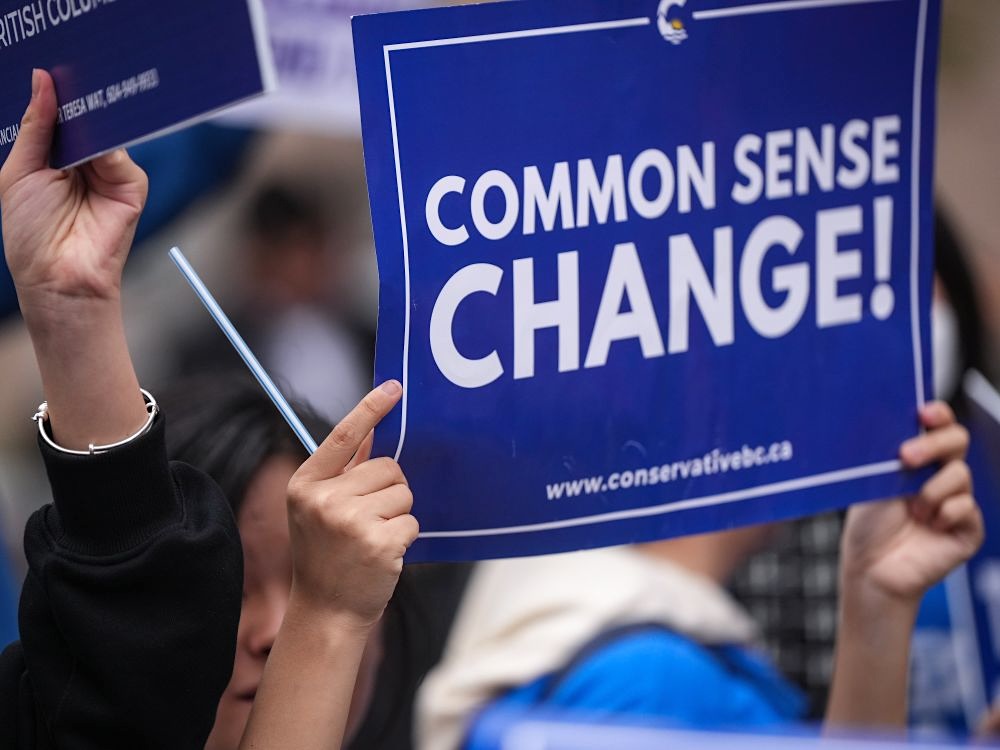
The big beneficiary of the B.C. Conservative leadership race is David Eby.
Things are, to put it kindly, not going well for his NDP government. Not on health care and the toxic drug crisis, the forest industry, reconciliation, homelessness. And in less than four weeks the government will deliver a budget that no one is going to like.
The Conservatives should be feasting on the NDP's problems.
Instead, they’re focused on a leadership race and a fight for the future of the dysfunctional non-party created when BC United Leader Kevin Falcon, directed by a handful of business voices, killed the centre-right political coalition that had been effective since 1996.
The party announced the rules for the leadership race last week. The vote will be held May 30. The spring legislative session is scheduled to end May 21, so the Conservatives will be focused on the leadership contest through the sitting.
When Falcon shut down the BC United campaign weeks before the start of the 2024 election campaign, Conservative Party of BC Leader John Rustad and a small group of insiders decided seven BC United candidates would be given the chance to run as Conservatives.
The party’s other 86 candidates were a grab bag, including poorly vetted choices and many wildly unqualified or extremist hopefuls. Still, the Conservatives fell just short of electing enough MLAs to form government.
But since the election the Conservatives have lost five of the 44 MLAs elected — kicked out or quit — and, after long public infighting, staged a coup against Rustad.
The leadership race is about establishing some identity for the Conservatives beyond not being the NDP and finding someone who can pull the feuding groups within the party together.
Strike up the Mission: Impossible theme.
So far five candidates say they intend to run, with a few more possible entrants. The rules for the race require candidates to pay the party $110,000 on top of their campaign costs.
Two — Peter Milobar and Iain Black — are former BC Liberal MLAs.
Milobar, a former Kamloops mayor, was elected in 2017 as a Liberal and was one of the survivors of the Conservatives’ pre-election purge.
Black was elected in 2005 and held cabinet posts before quitting in 2011.
But a chunk of the Conservatives’ base loathes the BC Liberals and will never support a former member. The Conservative hard right — the social conservative and anti-Indigenous wing — aren’t likely to work with Black or Milobar.
Caroline Elliott has weaker ties to the BC Liberals, though she was a longtime political staffer and supporter. Elliott was set to run for BC United in West Vancouver-Capilano in last year’s election until Falcon — her brother-in-law — shut the campaign down.
But Elliott is attracting early attention, in part because she has the backing of political veterans including campaign manager Kory Teneycke, a power in the Stephen Harper government and manager of two successful Doug Ford campaigns in Ontario. Most of the team are from outside B.C., and Elliott chose to share her plans in an op-ed in the National Post.
She’s positioning herself as an “anti-woke” candidate, especially on Indigenous issues, and might have a chance to bridge at least some of the divides.
Prince George-North Cariboo MLA Sheldon Clare, first elected last year, is staking out the same ground, saying he will stand “firm against the ideological policies” of the BC Liberals and the NDP.
Yuri Fulmer, an entrepreneur and chancellor of Capilano University, ran unsuccessfully for the Conservatives in West Vancouver-Sea to Sky last year.
Nobody leaps out as a front-runner, or the candidate with the best chance of pulling the party’s factions together.
And while profile is important, the main work for the leadership contenders until mid-April is to sign up supporters who will vote for them in the leadership contest.
Every party member will get a vote, and votes will be counted by riding. If ridings have at least 100 members they will get 100 points, which will be allocated based on the results in the riding. Constituencies with fewer members will get fewer points based on the membership.
At this point, that would be most ridings. The Conservatives claimed about 9,000 members at the start of the leadership review, or about 65 per riding. And only 1,268 people participated in the review vote, about 14 per riding.
The candidates will be rushing to sign up thousands of members across the province (constrained by rules the party hopes will prevent fraudulent sign-ups).
And they’ll be, naturally, emphasizing their differences, and appealing to the factions most likely to support them.
This is supposed to be a process to pull non-NDP voters into a big political tent. It’s more likely to end with angry Conservatives throwing rocks at whoever is left inside. ![[Tyee]](/design-article.thetyee.ca/ui/img/yellowblob.png)
Read more: BC Politics




Notice about commenting changes
The Tyee’s commenting system will be moving to a new platform on Nov. 12. If you’re already a Tyee commenter you must register with the new system on or after Nov. 12 with your preferred username.More information can be found here.