



 SHARE:
Erick Serpas Ventura knows the bones of a good home.
In El Salvador, where he was born, Serpas Ventura was raised in a small house until the age of five. When a civil war broke out, he and his family emigrated to Vancouver.
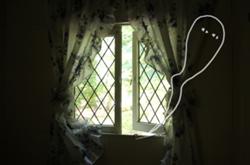
They settled in a 1920s heritage home held together by ancient trees and handmade bricks, a structure similar to the one featured in the video above. Having lived in a smaller, simpler abode in El Salvador, Serpas Ventura gained appreciation for the people who built their Vancouver home. He says it felt like “a massive mansion” compared with what they’d known back home.
And it caused a twinge of sadness whenever he saw a similarly old but sturdy house being bulldozed to make way for new construction.
So, after a decade in the Royal Canadian Air Force, Serpas Ventura pivoted and founded Vema Deconstruction in 2022. The goal? Reuse the materials — wood, metal, bricks — that make up many of the homes on the West Coast.
The process is known as deconstruction, a relatively new method where a building is systematically taken apart to preserve materials. The sector is still in its early days, with many municipalities starting to change demolition bylaws to encourage salvage and recycling plans.
But deconstruction is picking up steam. In February, CBC reported that a Burnaby dairy plant is on track to become the largest deconstruction project in B.C.
As Serpas Ventura sees it, deconstruction is a sustainable alternative to demolition, which can harm landfills and lead to negative environmental impacts.
His hunch comes at an important time for a changing region.
Metro Vancouver grew by 179,000 residents between 2016 and 2021. To make room for highrise towers, an estimated 7,100 single-family homes were demolished in Vancouver from 2012 to 2023. Across the region, the number was recently pegged at 2,700 per year.
It’s a similar story south of the border. Demolition projects increased in both Seattle and Portland in the mid-2010s. Since then, both cities have launched deconstruction policies aimed at saving materials from the landfill.
Locally, Serpas Ventura estimates that Vema Deconstruction has rescued somewhere over a million pounds of material since 2022. He hopes it shows homeowners and developers that it’s possible to preserve the bones of every home.
Watch the short video above to see what goes into a deconstruction and how Serpas Ventura thinks it can help reduce waste and address the housing crunch.
This article runs in a section of The Tyee called ‘What Works: The Business of a Healthy Bioregion,’ where you’ll find profiles of people creating the low-carbon, regenerative economy we need from Alaska to central California. Find out more about this project and its funders, Magic Canoe and the Salmon Nation Trust. ![[Tyee]](/design-article.thetyee.ca/ui/img/yellowblob.png)
Read more: Environment








Tyee Commenting Guidelines
Please note that email notifications for replies are not currently working due to a software issue which may be resolved in a future update.
Comments that violate guidelines risk being deleted, and violations may result in a temporary or permanent user ban. Maintain the spirit of good conversation to stay in the discussion and be patient with moderators. Comments are reviewed regularly but not in real time.
Do:
Do not: