


 SHARE:
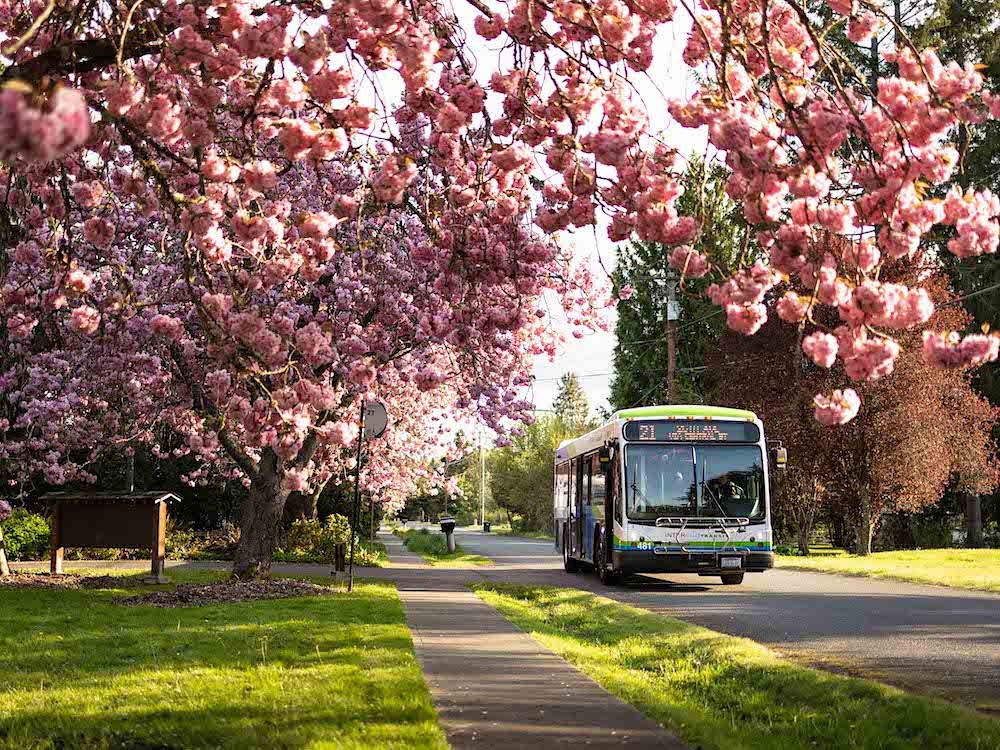
Marty Slighte remembers the price to ride his local bus.
Slighte, 59, has lived in Washington state’s Thurston County for most of his life and has relied on public transit since his early teens.
A low-income disabled resident, Slighte had to budget whether he could afford a bus pass every month. His decision was based on how many medical appointments he had on the calendar. If there were more than four, he bought the monthly pass that cost about $15. If not, he paid for bus rides to his appointments individually, using the savings for food and other living expenses.
But that limited his freedom to travel for other purposes.
So when Intercity Transit — the agency that services Olympia and Thurston County’s nearly 300,000 residents — rolled out a “zero-fare” pilot program in 2020, Slighte was relieved. He no longer had to budget for the bus.
“Having the freedom to say, ‘I can go on the bus any time I want, I can go down to the park, meet up with a friend’ — all those activities are now on the table,” said Slighte, who joined Intercity Transit’s community advisory committee in January.
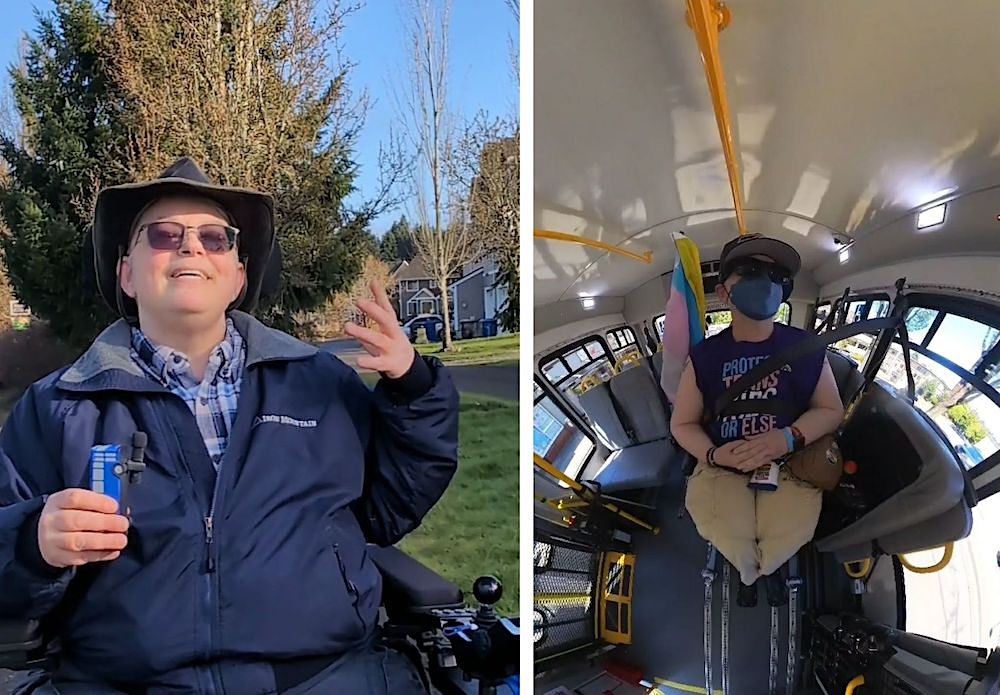
Slighte and his neighbours are far from alone. More than a dozen counties — accounting for roughly one-third of all Washington’s transit agencies — now allow people to ride the bus free of charge.
Along with Intercity Transit, rural transit operators Link Transit and Valley Transit switched in 2022. Clallam Transit, based on the Olympic Peninsula, eliminated fares on most routes in 2024. Some agencies have been fare-free for decades. Island Transit on Whidbey Island abolished fees in 1987.
Most agencies switched to boost ridership and reduce road congestion, the Seattle Times reported. Some also decided it wasn’t worth the pain to collect coins or transition to an electronic payment system, considering fares paid for just seven per cent of bus operating costs in 2023, a drop from 25 per cent a decade earlier.
The City of Ellensburg’s Central Transit, which services an area with about 22,000 people, went fare-free about a decade ago. The decision came after voters approved a 0.2 per cent sales tax increase to support the model. Since then, Central Transit has expanded service from two routes to five and seen ridership increase by as much as 50 per cent.
“The community really, really is proud of the fact that we are a fare-free service,” said Betsy Dunbar, Ellensburg’s transit manager.
It’s a similar story in Thurston County. Intercity Transit decided to trial fare-free on its 22 routes after realizing fares made up about two per cent of revenue. Switching to an electronic fare model would have cost about $3 million to install and $1 million annually to maintain.
In 2018, county officials proposed a 0.4 per cent sales tax increase. The measure, which had to be approved by voters, passed with 67 per cent support and resulted in more than $20 million in additional funding.
The fare-free movement doesn’t come without detractors, with critics claiming free transit may result in public transit systems that are less safe.
Since switching, Intercity Transit hasn’t noticed any increases in unruly passengers or disruptive incidents on the bus, according to general manager Emily Bergkamp. The agency also hired six “transit ambassadors” — former bus drivers with de-escalation training — who have maintained the peace.
Chelsea Baker van Drood, an Intercity Transit rider since 2003, says she hasn’t feared for her safety or noticed an uptick in people experiencing homelessness on the bus since the switch to fare-free. Baker van Drood rides on the bus almost every day and believes the fare-free model has brought social equality to her neighbourhood.
“It means everyone has the same opportunity for transit as everyone else,” she said. “I see transportation as a human right.”
Calls for free buses moving round and round
The calls for free public transit in the northwest have been going on for years, including in this publication, which considered the barriers for people who want to ride public transit in a reader-funded series in 2007.
More recently, Vancouver Coun. Sean Orr suggested TransLink make four bus routes in the city fare-free to serve diverse and lower-income communities.
The province does offer fare-free transit for those under 12. A few municipalities, such as Victoria and Penticton, have expanded free bus access to older youths.
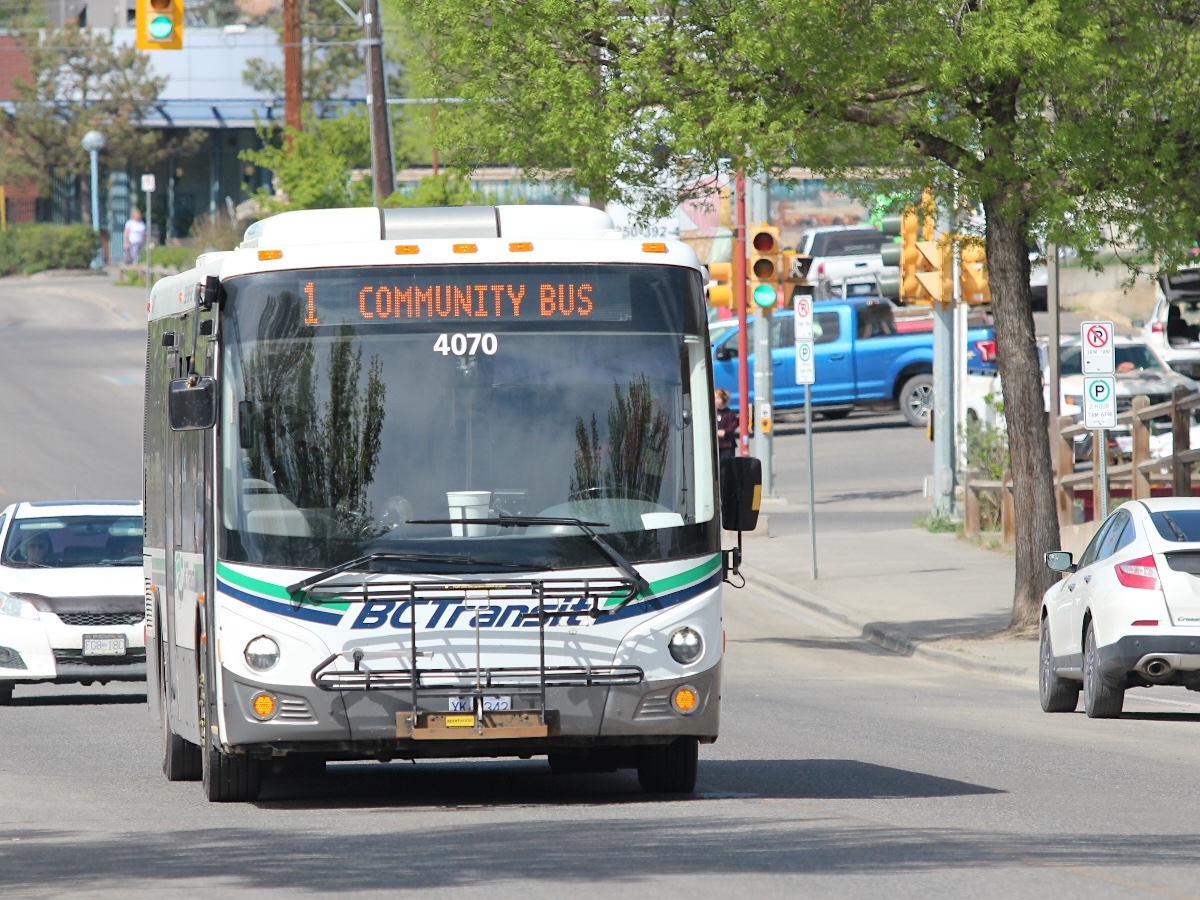
There has been some momentum to expand fare-free to the rest of the population.
The District of Saanich submitted a motion to make transit free for seniors across the province at the 2024 Union of BC Municipalities convention. And during the 2024 election, the BC NDP promised free transit for seniors during “off-peak” hours. The province now offers passes at a reduced price for low-income seniors. The City of Vancouver recently endorsed the idea of a low-income transit pass for its residents, though making it happen will require the support of politicians that represent other municipalities served by TransLink.
Elsewhere, transit agencies in Oregon and the Yukon have tested the waters. Central Oregon’s Cascades East Transit — which services the Bend area — tried fare-free buses after the pandemic but started collecting fares again last year. A similar trial backed by territorial government funding was rolled out in Whitehorse in 2024 before ending in 2025.
New York City mayoral candidate Zohran Mamdani used free buses as a key pillar in his successful election campaign last year. The city previously tested fare-free on five routes in each borough between September 2023 and September 2024, with ridership increasing on each route. However, that was largely due to recurring riders using the bus more often as opposed to attracting new riders. Mamdani said his free-bus promise wouldn’t be fulfilled in 2026 but did not rule it out in the future.
The first major city to permanently hop aboard was Kansas City. Missouri’s largest city offered free transit to its roughly 500,000 residents starting in 2020, using revenue from two sales taxes. This January, however, the city announced that riders would have to start paying $2 per trip starting in June.
The backtracking comes despite all four agencies — including New York City’s pilot — having increases in ridership after going fare-free.
In both Kansas City and Whitehorse, the decision to start collecting fares again revolved around the cost of the services.
In Kansas City, politicians and its transit agency squabbled over how to fund the program. The same could be said up north, as Yukon’s fare-free plan ended last year due to the end of territorial government funding and a local desire to increase bus reliability, a goal that required additional funding. Cascades East Transit, meanwhile, dropped its plan to focus on “rider accountability,” according to Oregon Public Broadcasting.
The backtracking raises the question of whether the model can be replicated, especially in denser, urban cities where fares comprise a large share of transit revenue.
“It’s trickier in bigger cities,” said Cristina Barone, founder of the transit consulting firm Barone Transit Planning.
If a community plans to replace the lost revenue from fares, it could work, she said. That said, it may be more doable in small-to-mid-sized cities like Ellensburg and Olympia, where revenue from fare boxes is relatively low.
Barone previously served as director of planning and development at Link Transit in Wenatchee, a community of 35,000 people, and said its fares accounted for less than five per cent of revenues. The agency stopped collecting fares shortly after the pandemic and is now funded by a 0.5 per cent sales tax along with federal and state grants.
“I think people see it as a benefit to the community,” Barone said. “It helps people in the community who maybe are struggling.... I think it encourages people who would not typically be transit riders to give it a try.”
Finding a fare-free future
At least one person wants to give fare-free a shot in Washington’s most populous county.
Rod Dembowski, a King County council member, recently suggested that King County Metro explore the possibility of making “at least two bus routes” fare-free. Riders between the ages of 19 and 64 must currently pay $3 for a single bus ride. Seniors and those with a disability or on Medicare pay $1. Anyone under 18 gets on for free.
Dembowski said cutting fees could increase ridership while helping the planet.
Recent research suggests that taking the bus has positive environmental impacts. One study found that switching a 20-mile car commute to public transit can reduce a person’s yearly carbon emissions by 20 pounds per day.
It remains to be seen whether King County will explore the pilot.
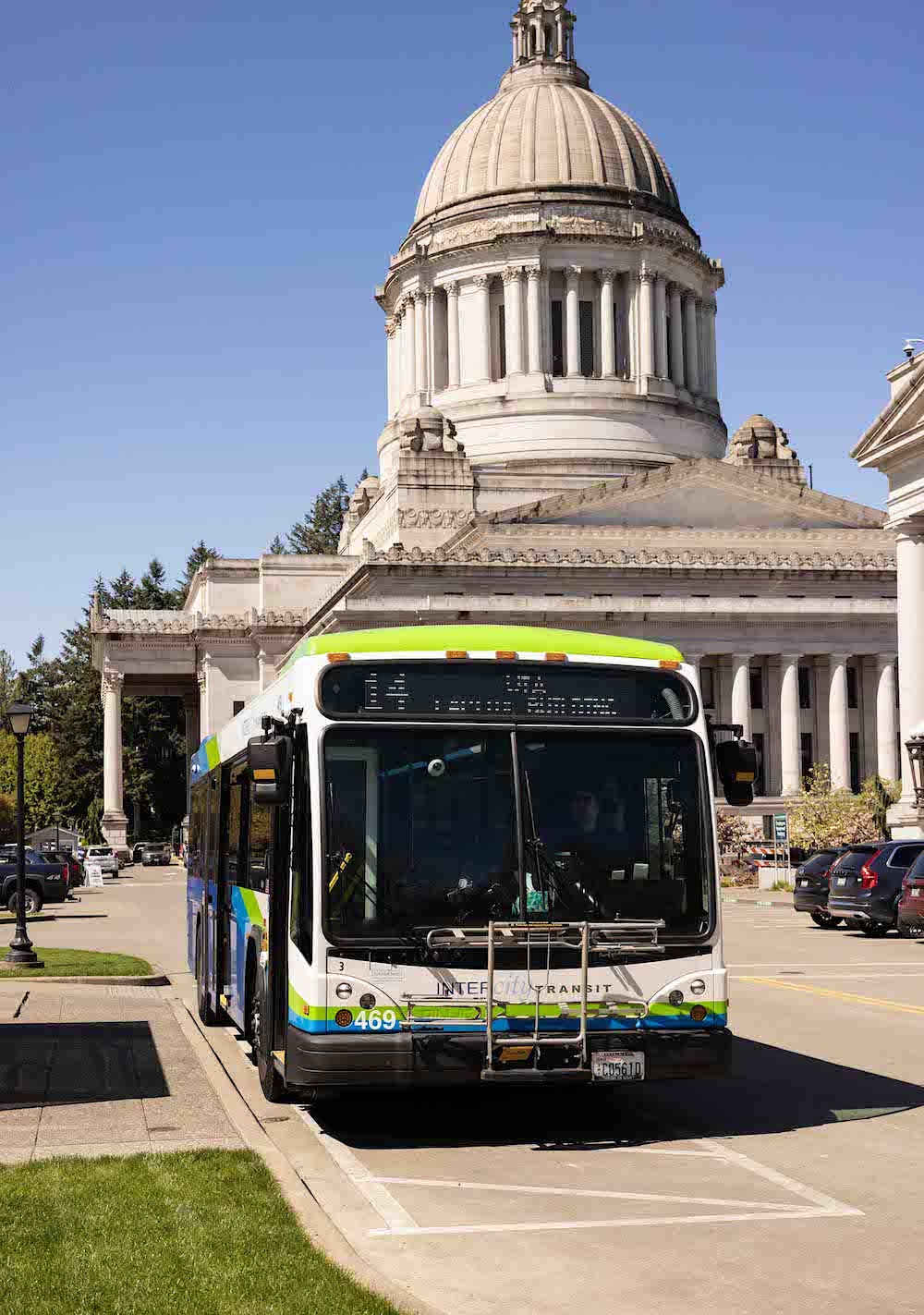
Back in Thurston County, Olympia resident Aim Ren said he saves more than $100 per month because transit is free. Four years ago, Ren, who relies on public transit to get to work, moved to Olympia from Chicago, where he paid about $105 per month for transit. Since relocating, the cost of transit “is just one less thing to think about,” Ren said.
Clair Bourgeois, an Olympia resident since 2021 and a member of Intercity’s community advisory committee, said the bus shouldn’t be different from the public library, which is free and open to anyone.
“We all deserve the ability to go places,” she said.
Intercity Transit’s fare-free trial is expected to run until 2028.
At that time, Intercity’s board — a group of local elected officials and community representatives — will decide whether the model will become permanent. Intercity’s Bergkamp said she “would be surprised” if the board decided to switch gears and implement fares.
If Slighte had it his way, the decision would be obvious.
“It’s a program that has meant freedom for me,” he said.
This article runs in a section of The Tyee called ‘What Works: The Business of a Healthy Bioregion,’ where you’ll find profiles of people creating the low-carbon, regenerative economy we need from Alaska to central California. Find out more about this project and its funders, Magic Canoe and the Salmon Nation Trust. ![[Tyee]](/design-article.thetyee.ca/ui/img/yellowblob.png)
Read more: Transportation, Environment












Tyee Commenting Guidelines
Please note that email notifications for replies are not currently working due to a software issue which may be resolved in a future update.
Comments that violate guidelines risk being deleted, and violations may result in a temporary or permanent user ban. Maintain the spirit of good conversation to stay in the discussion and be patient with moderators. Comments are reviewed regularly but not in real time.
Do:
Do not: