


 SHARE:
In the landscape of public health, few stories are as compelling as the unexpected return of a disease we once thought was conquered. Measles, a highly contagious viral infection formally considered eliminated from Canada in 1998, is making a surprising comeback, challenging our public health systems and communities at large.
The rising numbers of measles cases are a concern as they represent real people and real risks. The current measles situation in Canada is a public health challenge and a critical moment for awareness and action. From urban centres like Toronto and Montreal to smaller communities across the provinces, an emerging pattern demands attention and understanding.
Current measles outbreaks in Canada are primarily affecting Ontario and Quebec.
In Ontario, 57 confirmed cases have been documented in 2025, as of Feb. 13.
Meanwhile, Quebec is experiencing its second outbreak, with 24 confirmed cases reported this year, as of Feb. 21.
An earlier outbreak in Quebec involved 51 cases from February to June 2024.
This resurgence can be attributed to several factors, including declining vaccination rates, international travel reintroducing the virus into Canada and the highly contagious nature of measles.
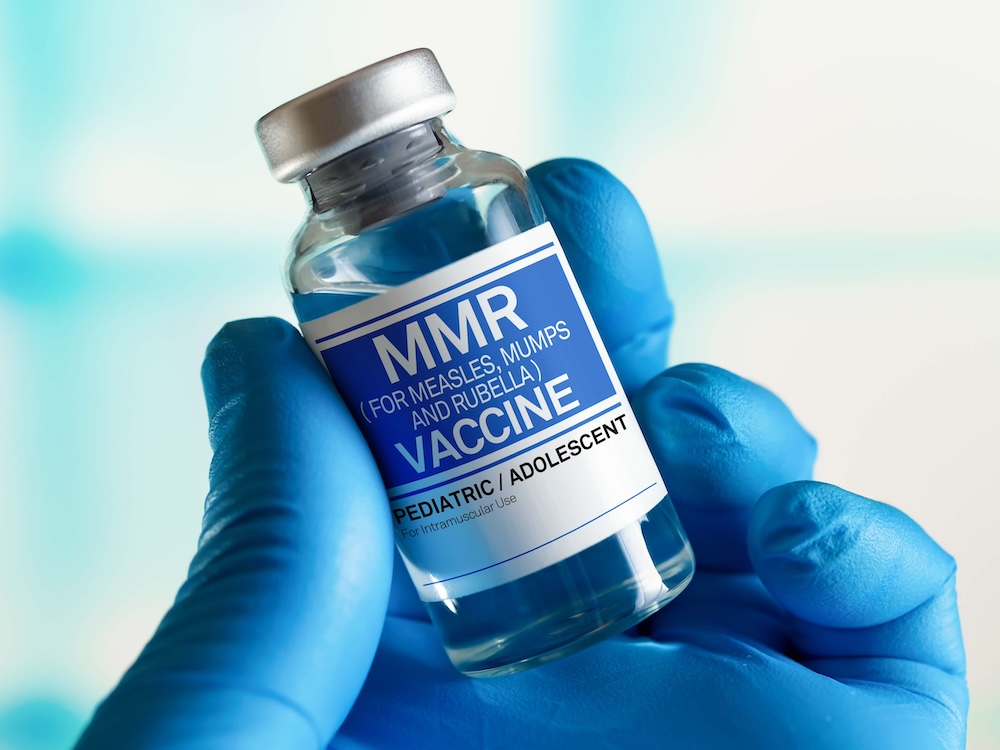
Vaccination rates for the measles, mumps and rubella, or MMR, vaccine have dropped to approximately 82.5 per cent, a significant decline observed during the COVID-19 pandemic.
This reduction has created a population of highly susceptible individuals, undermining community immunity — commonly referred to as herd immunity — which requires a vaccination coverage of 95 per cent to effectively prevent outbreaks.
Most cases are the result of local transmission
Measles is also one of the most contagious infectious diseases, with a basic reproduction number, or R0, of 12 to 18. This means that, in a fully susceptible population, one case of measles can lead to an average of 12 to 18 secondary cases.
For the current outbreak, although the initial source was linked to international travel, the majority of cases are now the result of local transmission within Canada, highlighting the importance of maintaining high vaccination coverage and swift public health interventions.
Measles is a highly contagious airborne disease that spreads easily through respiratory droplets.
When an infected person breathes, coughs or sneezes, they release virus particles into the air.
These particles can remain infectious for up to two hours, even after the person has left the area. What makes measles particularly challenging to control is its extended period of contagiousness.
An infected individual can spread the virus from four days before the characteristic rash appears until four days after its onset. This means people can unknowingly transmit the disease before they even realize they’re infected.
The virus’s ability to spread before symptoms appear, combined with its long contagious period, makes it difficult to contain outbreaks once they begin. This is why maintaining high vaccination rates across the population is crucial.
It’s not just about individual protection, but about safeguarding the entire community, especially those who cannot be vaccinated due to age or medical conditions.
While anyone who isn’t immune either through vaccination or previous infection can contract measles, certain groups — including pregnant women, immunocompromised patients and unvaccinated children under age five — are at higher risk of complications including pneumonia and brain swelling.
Six ways to stop the spread
The message from health-care providers is clear: vaccination is the most effective way to prevent measles. Here’s what you can do.
- Ensure vaccination is up to date. The measles vaccine is typically combined with mumps and rubella (MMR) or with varicella (MMRV). Two doses of the vaccine are 99 per cent effective at preventing infection.
- Check your immunization records. If you’re unsure about your vaccination status, consult your health-care provider or check your personal immunization record.
- Vaccinate children on schedule. In Ontario, children receive two doses of the measles vaccine before age seven as part of routine vaccinations.
- Consider early vaccination for infants. In areas with ongoing outbreaks, infants as young as six months may be eligible for early vaccination. Contact your health-care provider before travel for their advice.
- Plan ahead for travel. If you’re travelling internationally, consult a health-care provider at least six weeks before your trip to review your immunization history.
- Be aware of the symptoms. High fever, cough, runny nose, red eyes and a characteristic rash.
If you suspect you or someone in your family has measles, call your health-care provider before visiting a medical facility. This allows them to take necessary precautions to prevent further spread.
Vaccination is our most effective tool against measles. The MMR vaccine is safe and highly effective, with two doses providing up to 99 per cent protection.
By maintaining high vaccination rates across our communities, we can prevent outbreaks and protect those who can’t be vaccinated due to age or medical conditions. As we navigate this situation, it’s crucial to stay informed and follow public health guidelines. Together, we can work to contain these outbreaks and protect the health of all Canadians.
The resurgence of measles in Canada is a stark reminder that we cannot take our public health achievements for granted.
Vaccination has been one of the most successful public health interventions in history, saving millions of lives. By working together — health-care providers, parents and communities — we can turn the tide on this resurgence and protect our most vulnerable populations from this preventable disease.
Measles is not just a childhood illness or a simple rash. It’s a serious disease with potentially severe complications. But with vigilance, education and a commitment to vaccination, we can once again push measles to the brink of elimination in Canada. The health of our communities depends on it.
![[Tyee]](/design-article.thetyee.ca/ui/img/yellowblob.png)
Read more: Health












Tyee Commenting Guidelines
Comments that violate guidelines risk being deleted, and violations may result in a temporary or permanent user ban. Maintain the spirit of good conversation to stay in the discussion and be patient with moderators. Comments are reviewed regularly but not in real time.
Do:
Do not: