

 SHARE:
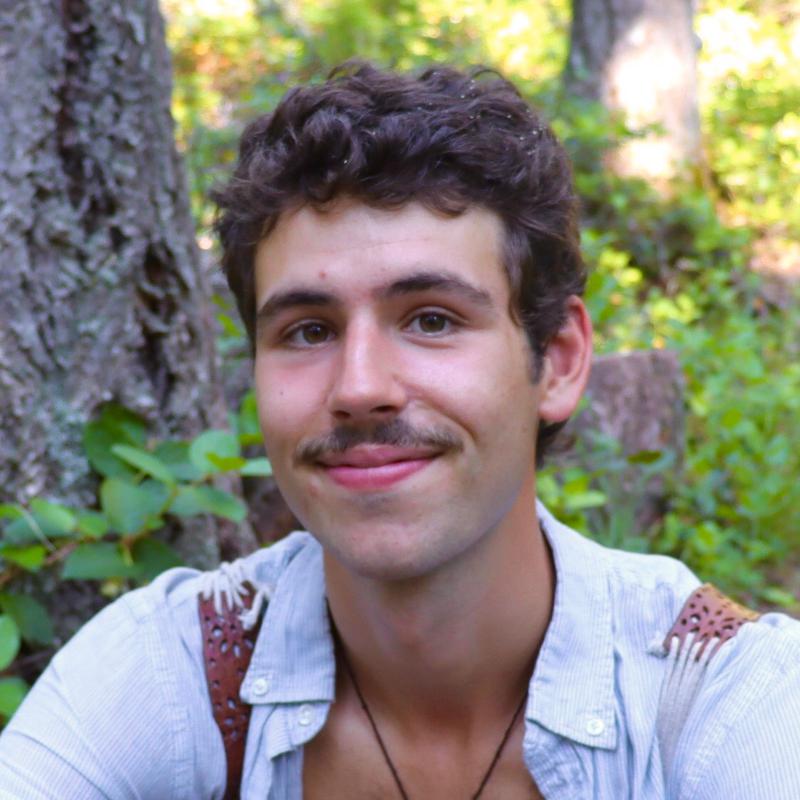
I am a farmer who has worked at market gardens around B.C.
Market gardens are small farms that grow a variety of vegetables for markets and subscription box programs. Connection is their lifeblood: the connection between growers and eaters, between growers and the plants we care for, between the soil organisms underpinning it all.
I have chosen this life because it makes me certain that I am a part of this world.
I didn’t grow up on a farm. I was raised in sleepy Fort Langley, Kwantlen territory, and after high school I decided that I was going to work in a museum, or as a history teacher. Something to do with old things.
But the COVID-19 pandemic changed my mind. As a university student quarantined in the small town where I grew up, I had few options for occupying my time.
I didn’t want to make sourdough, so I started a garden.
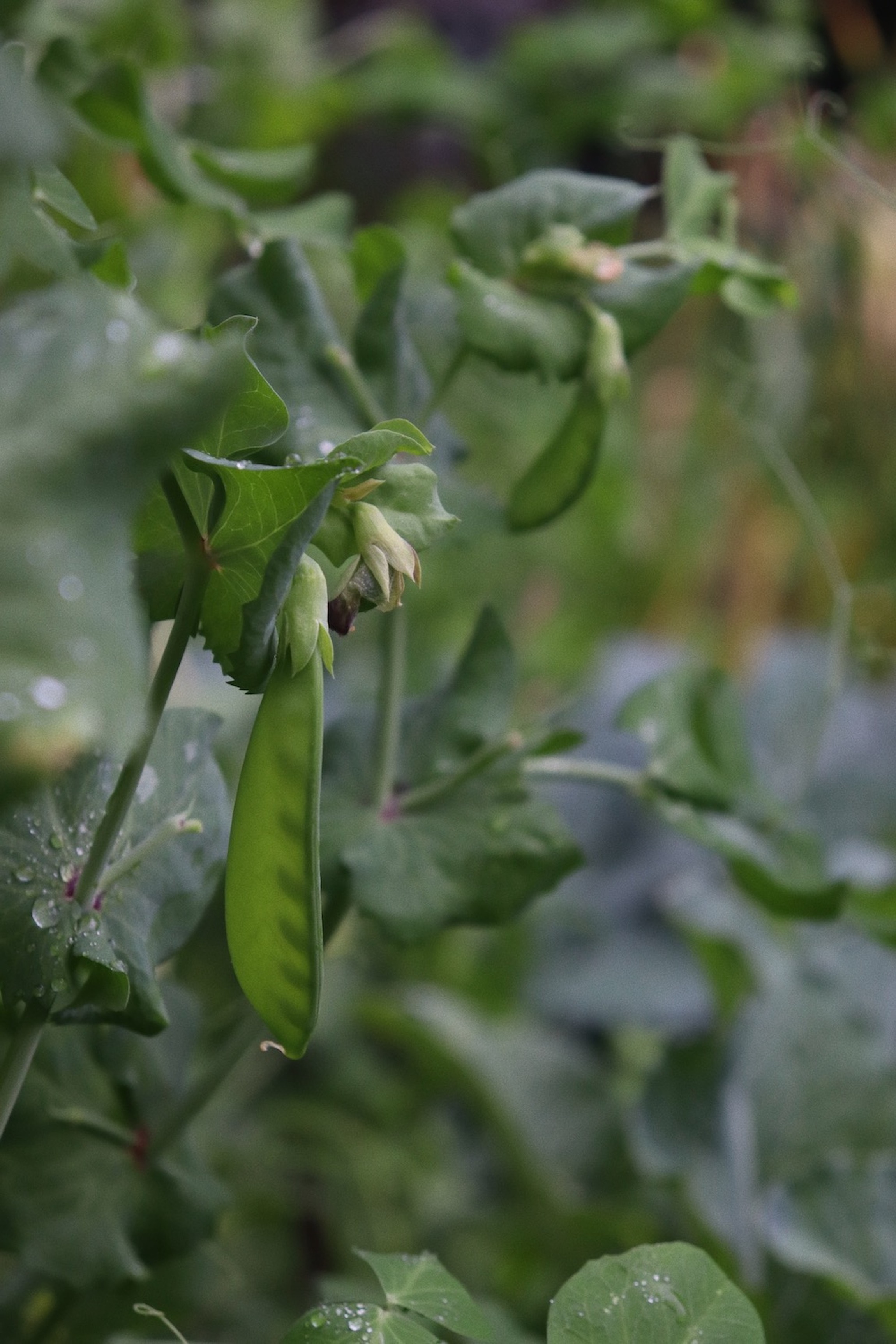
My brother was feeling similarly cooped up, so we took our shovels to the backyard and filled it with potatoes, peas, flowers and fruit. We even got chickens.
We became obsessed with the riot of life that flourished there while all our social connections withered.
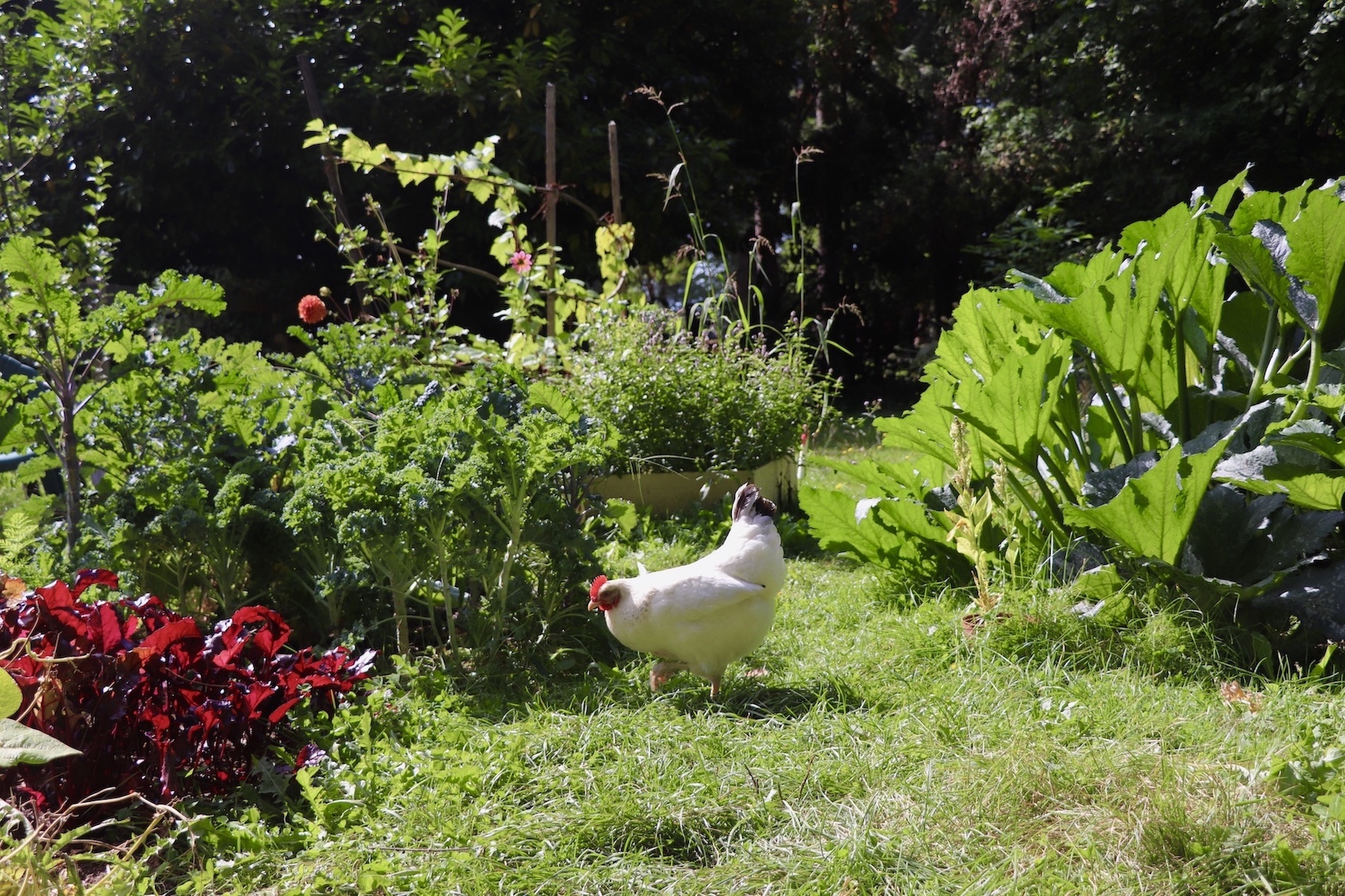
The seeds we planted during the early years of lockdown continue to grow. I have gone on to build my life around farming, while the garden sparked in my brother a passion for food that has carried him to the realm of fine dining. He now works in restaurants whose success comes largely from a foundation of quality produce.
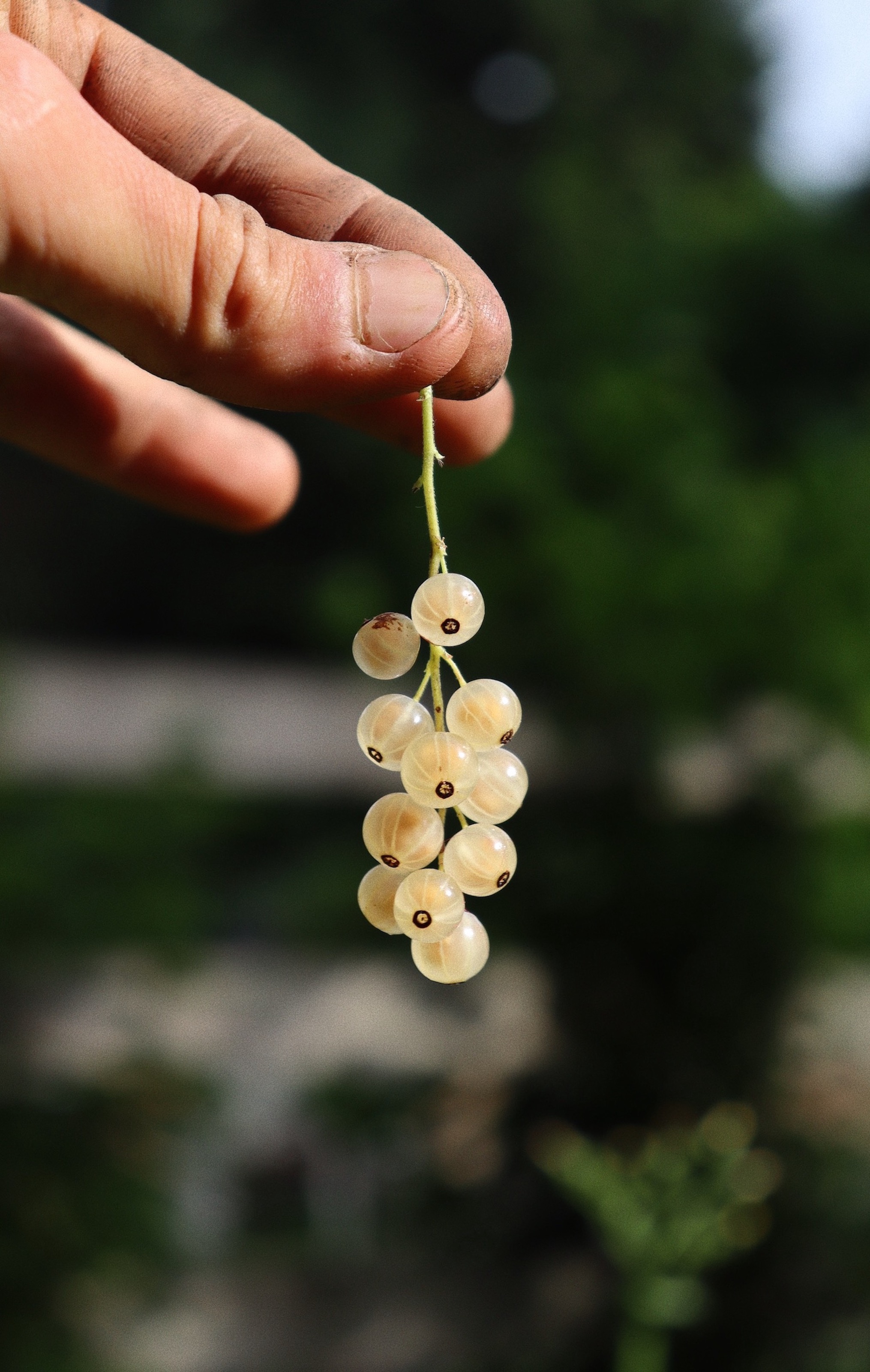
When I didn’t have my hands in the dirt during those early pandemic years, I was digging into the history of Fort Langley. I read books, looked through grainy grey photographs in archives. I chased the chills I got whenever I found a place that I recognized in some old picture.
It was the place where I grew up, yet I had never delved much into its past. But in those days of shutdowns and social distancing, the silence slowed me down. It made me realize I didn’t know much about the place I was from, just as it had made me realize I didn’t know much about where food comes from, either.
I found contentment in working the land, walking the quiet streets and the quieter countryside. Being in the old orchards, or those hayfields along the Salmon River, taught me that — with horticulture or history — land holds truth.
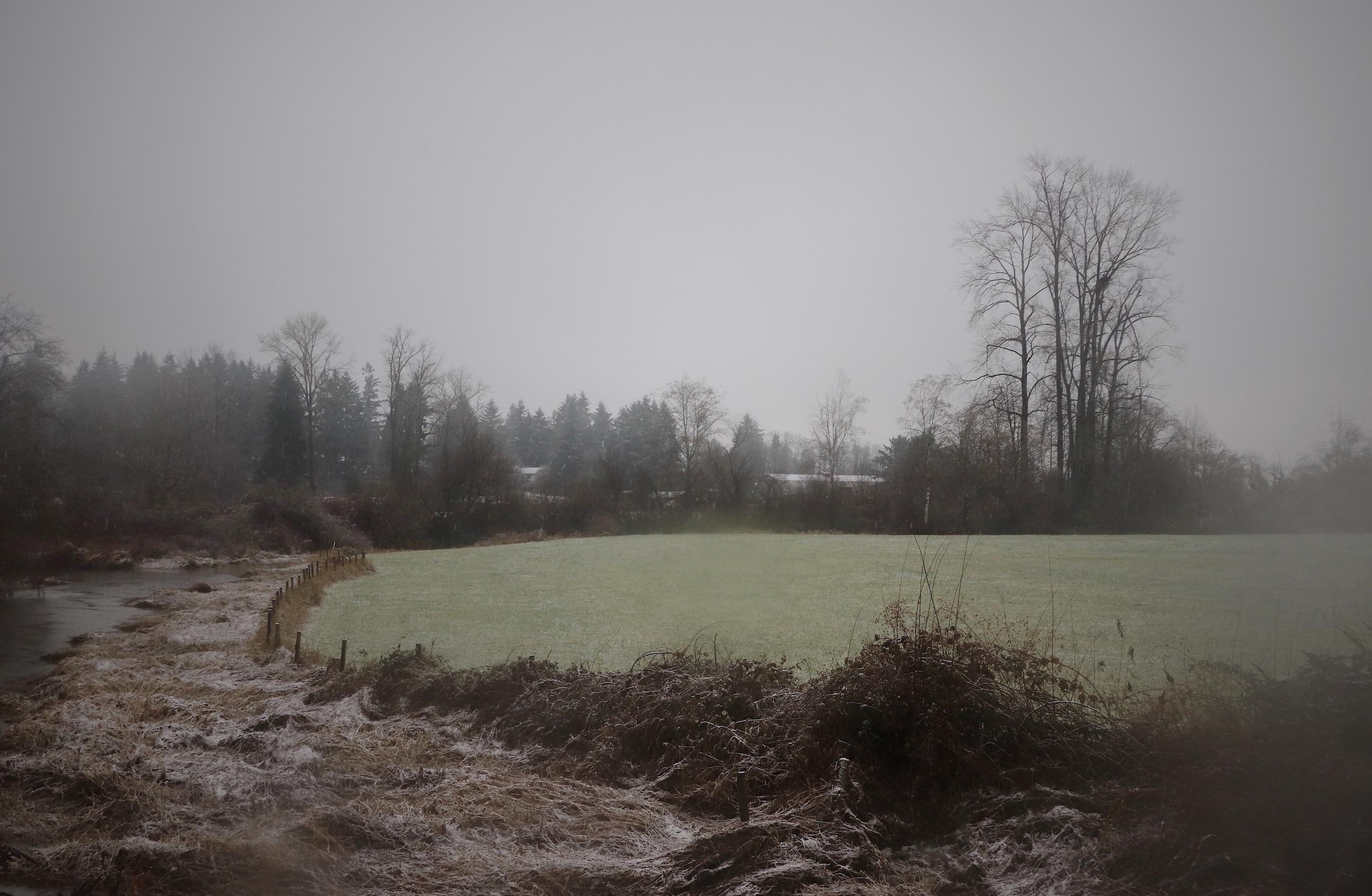
Land is the medium of our actions, the paper that history is written on.
With this realization came another one: that, in Langley, the European-style agriculture I practiced did not have a gentle history.
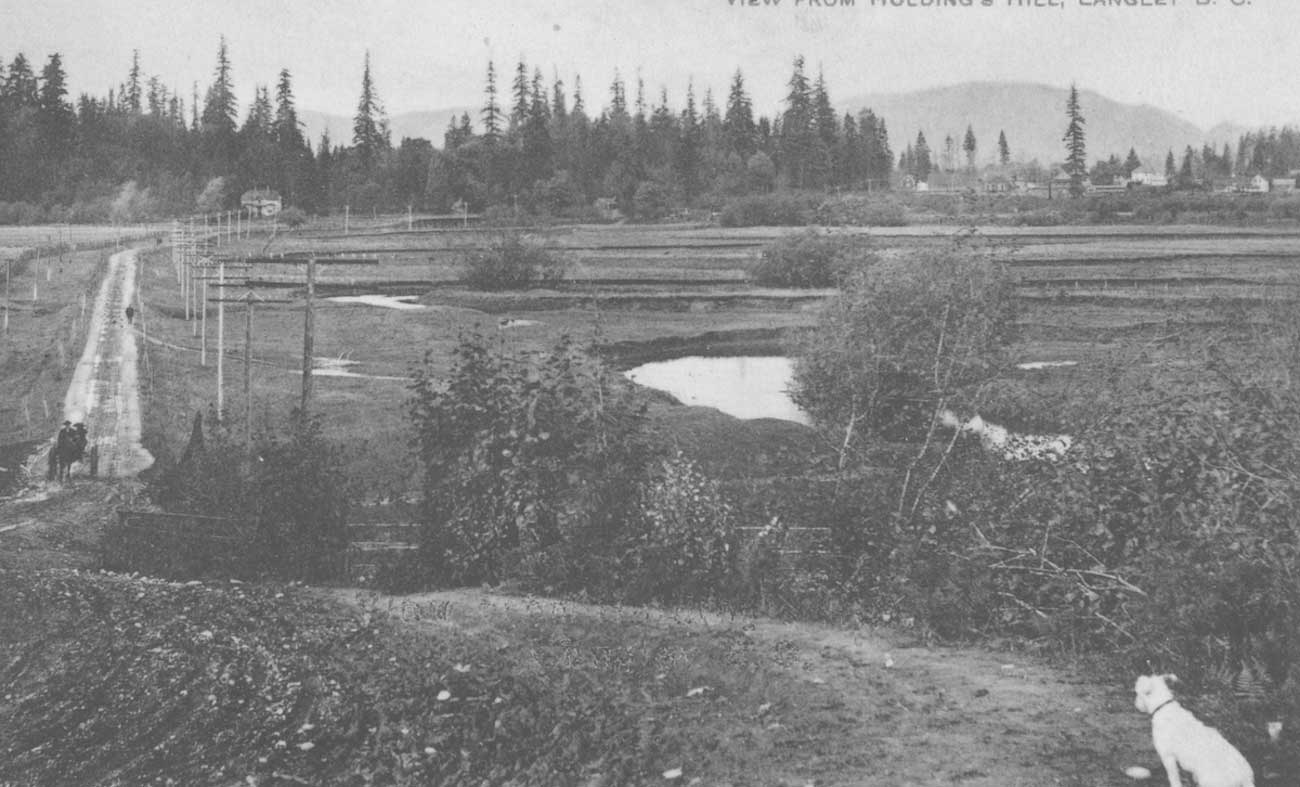
The Fraser Valley is one of the most fertile parts of the province, something Indigenous peoples realized long ago.
Settler scholars have long debated and doubted whether agriculture was practiced here before colonists came.
But it was: Indigenous peoples used fire to clear space for berries, used fish carcasses as fertilizer, and cultivated wapato extensively, among other landscape-modifying techniques. Jeff Oliver writes about this extensively in the 2010 book Landscapes and Social Transformations on the Northwest Coast: Colonial Encounters in the Fraser Valley.
Yet colonists either did not recognize this work as farming, or did not realize it was happening at all. They used the fact that Indigenous peoples weren’t growing wheat or keeping cattle to justify taking the land.
During the 1860s, they pushed in en masse. They built fences, levelled forests and relegated Indigenous peoples to reserves, in order to practice their own form of agriculture.
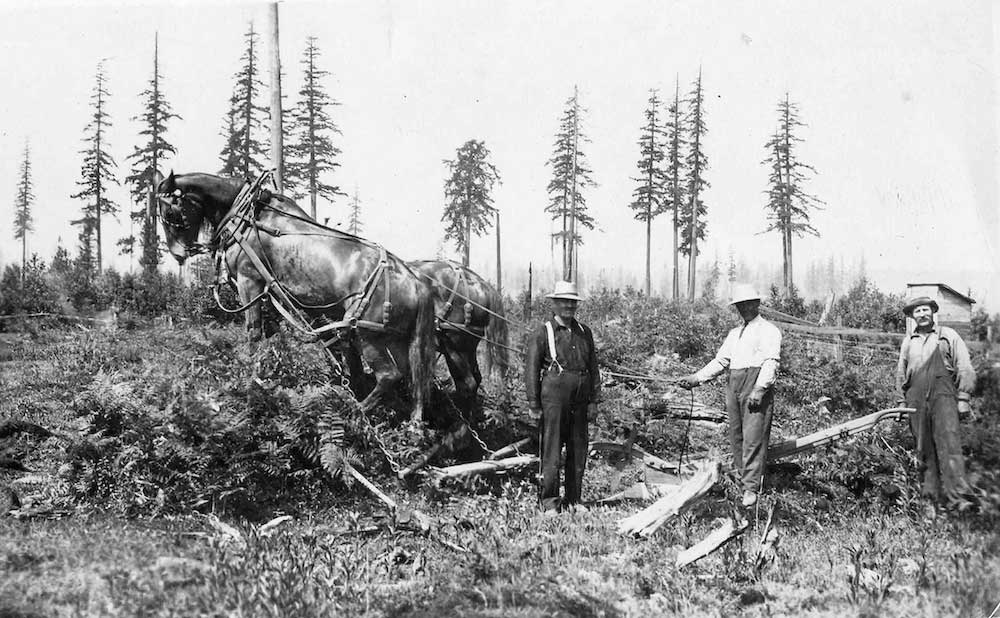
The early pandemic years changed my understanding of where I am from, of the colonial culture I am a part of.
The farming I practice is part of a tradition that has fundamentally restructured this landscape, introduced invasive species and driven Indigenous lifeways to the periphery.
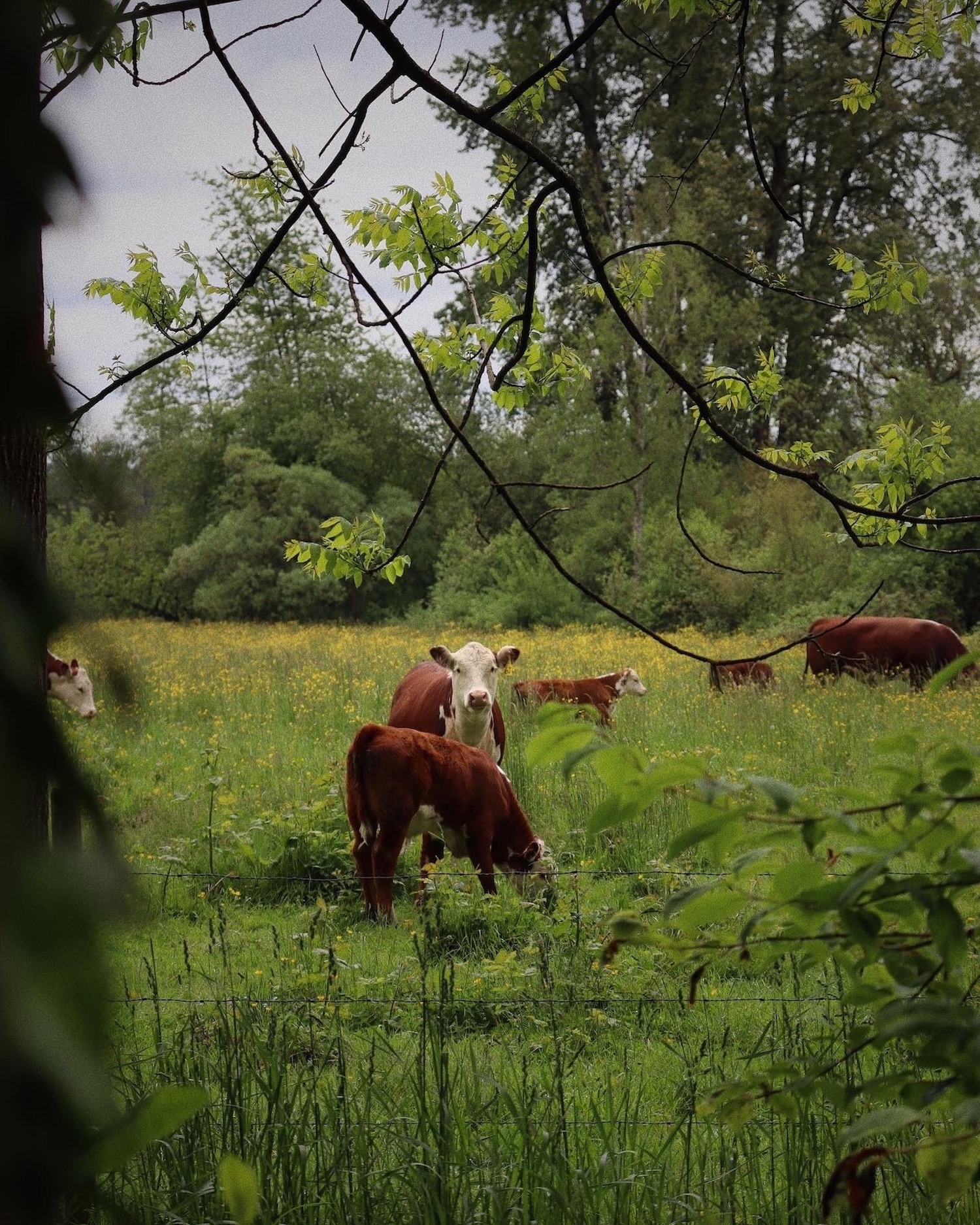
How do I reconcile this all with my choice of lifestyle?
I spend a lot of time doubting whether I should pursue my career in B.C. at all. I respect that the farms I work at are small enough that they can co-exist with the natural world. They are run by people who recognize that planting native trees, being water-conscious and thinking in long time-scales is as beneficial to their business as it is to the land they are on.
Yet some days, when I revisit the archives and see a photo of how the land got to be what it is today, when I think about how far Canada must go in order to recognize Indigenous sovereignty over their own territory, it isn’t enough.
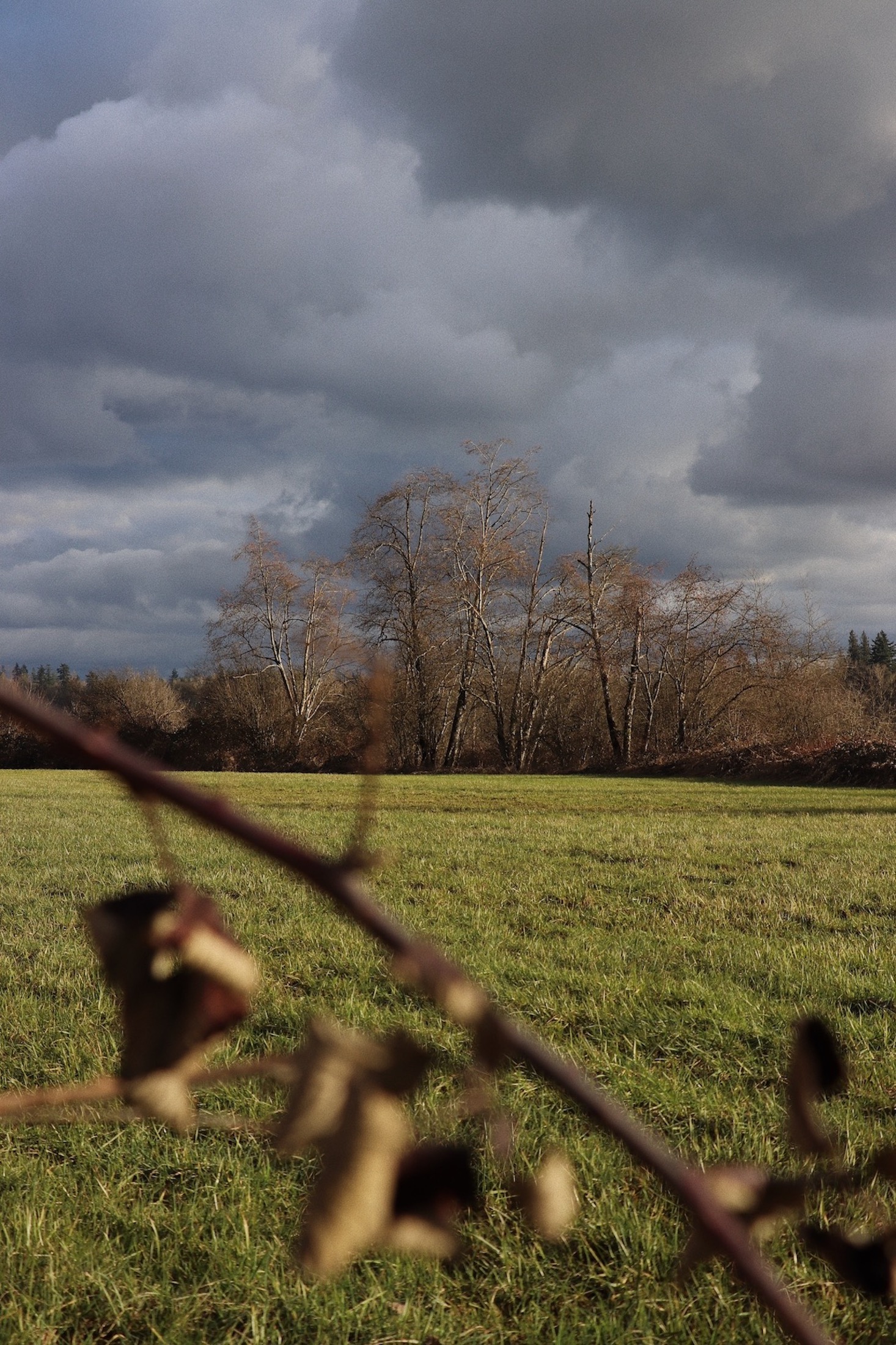
What I have learned, though, is that to know a place is to understand the bad along with the good. Not to accept it, but to understand it.
I have gained insight into my positionality as a settler, and I am trying to balance feelings of deep connection with an understanding that this is not truly my place.
That’s why this essay does not end with a resolution, but a question.
I have since moved away from Fort Langley, but it is a question that will be with me wherever I live.
How do I continue to learn about — learn from — the land under my feet? ![[Tyee]](/design-article.thetyee.ca/ui/img/yellowblob.png)
Read more: Photo Essays, Environment




Tyee Commenting Guidelines
Comments that violate guidelines risk being deleted, and violations may result in a temporary or permanent user ban. Maintain the spirit of good conversation to stay in the discussion and be patient with moderators. Comments are reviewed regularly but not in real time.
Do:
Do not: