


 SHARE:
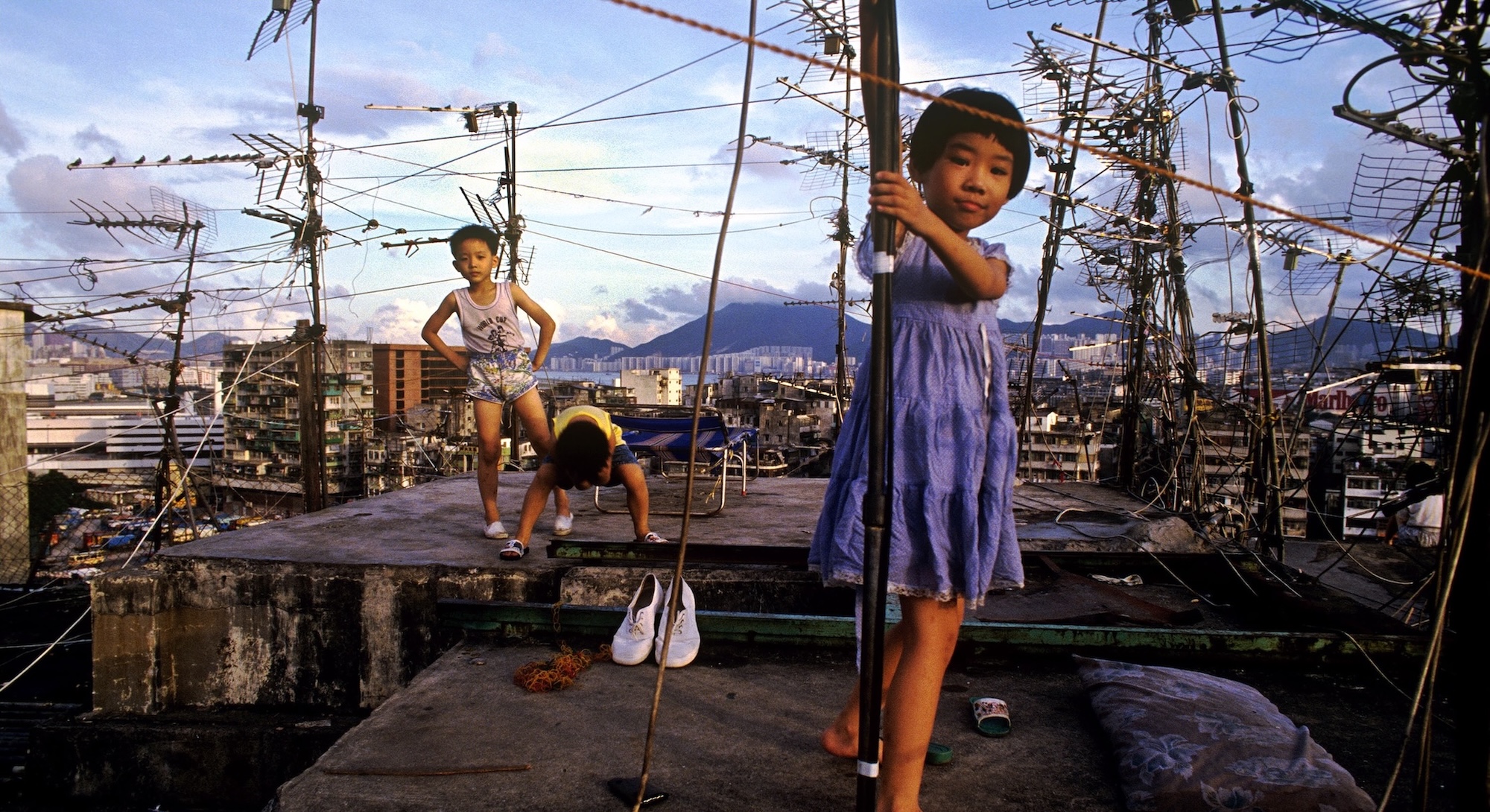
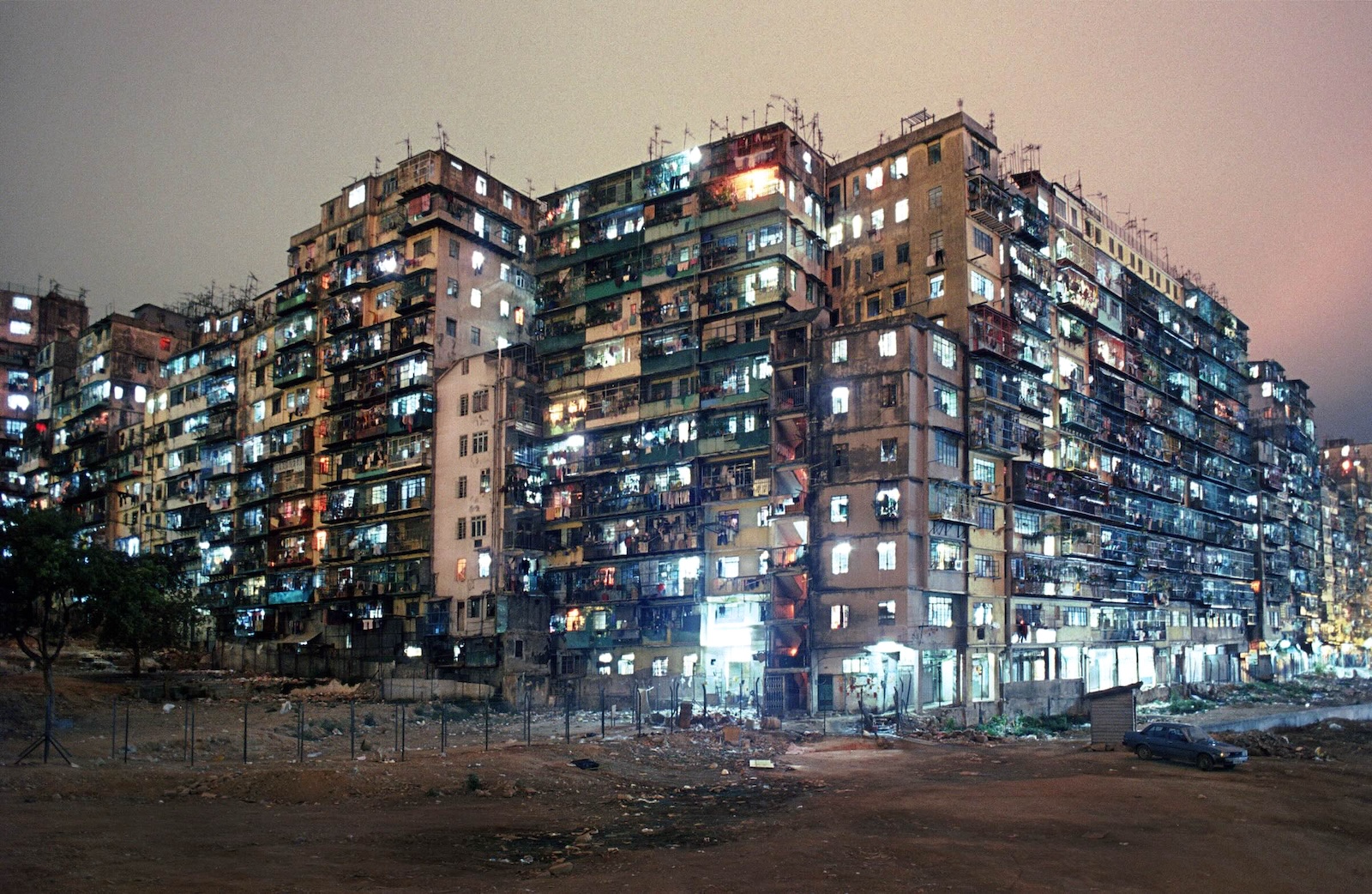
Tom Ng bought the 1993 book City of Darkness because the photographs of the Kowloon Walled City reminded him of his childhood in Hong Kong. As a kid he’d sit on his mom’s lap, then wander out to the apartment balcony to stare at the walled city while she played mah-jong at a friend’s place opposite the noisy jumble of more than 300 interconnected highrise buildings that housed tens of thousands of people.
Joshua Frank clearly recalls flipping through Ng’s book. He and Ng are both friends and musical collaborators: with Frank on bass and Ng on guitar and vocals, the two form the experimental Cantonese/Canadian rock duo Gong Gong Gong (工工工 in Cantonese).
The Kowloon Walled City had been demolished by the time Frank lived in Hong Kong in the mid-1990s, but it evoked memories of his family picnicking and watching planes land at the nearby Kai Tak Airport.
Neither of them noted at the time that one of the men who took the photos for City of Darkness was Canadian photographer Greg Girard, while the other was British architect and photographer Ian Lambot.
Fast-forward 10 years from the time Frank flipped through the book, and Girard and Gong Gong Gong are soon to debut their one-of-a-kind film and live music performance, Hong Kong Made Me, in Vancouver on the afternoon of July 13, to be followed by an evening concert by Gong Gong Gong. The group held the world premiere of Hong Kong Made Me at the M+ museum in Hong Kong last year.
“It feels really meaningful,” Frank says of the collaboration and performing in Vancouver.
Greg Girard: Burnaby-raised, Hong Kong-made
In his final year of high school in the early 1970s, Girard would take the bus from Burnaby into Vancouver, rent a cheap hotel room and shoot the people he saw on the streets, in pool halls and cafés.
“It was this sense of this other world that was so different and adult and rooted in something I had no connection to,” Girard says. “By having a camera, you get to go where you don’t belong.”
A photo, Hong Kong Harbour, 1962, by Eliot Elisofon, inspired Girard to travel to the city after graduation. The beige sails of traditional wooden junk ships backdropped by a skyline replete with neon Sony and Pepsi-Cola signs under a foreboding sky stirred his imagination.
He saved money and booked his passage on a freighter of the one company that still offered passenger cabins. He sailed 18 days from San Francisco to Hong Kong in the summer of 1974.
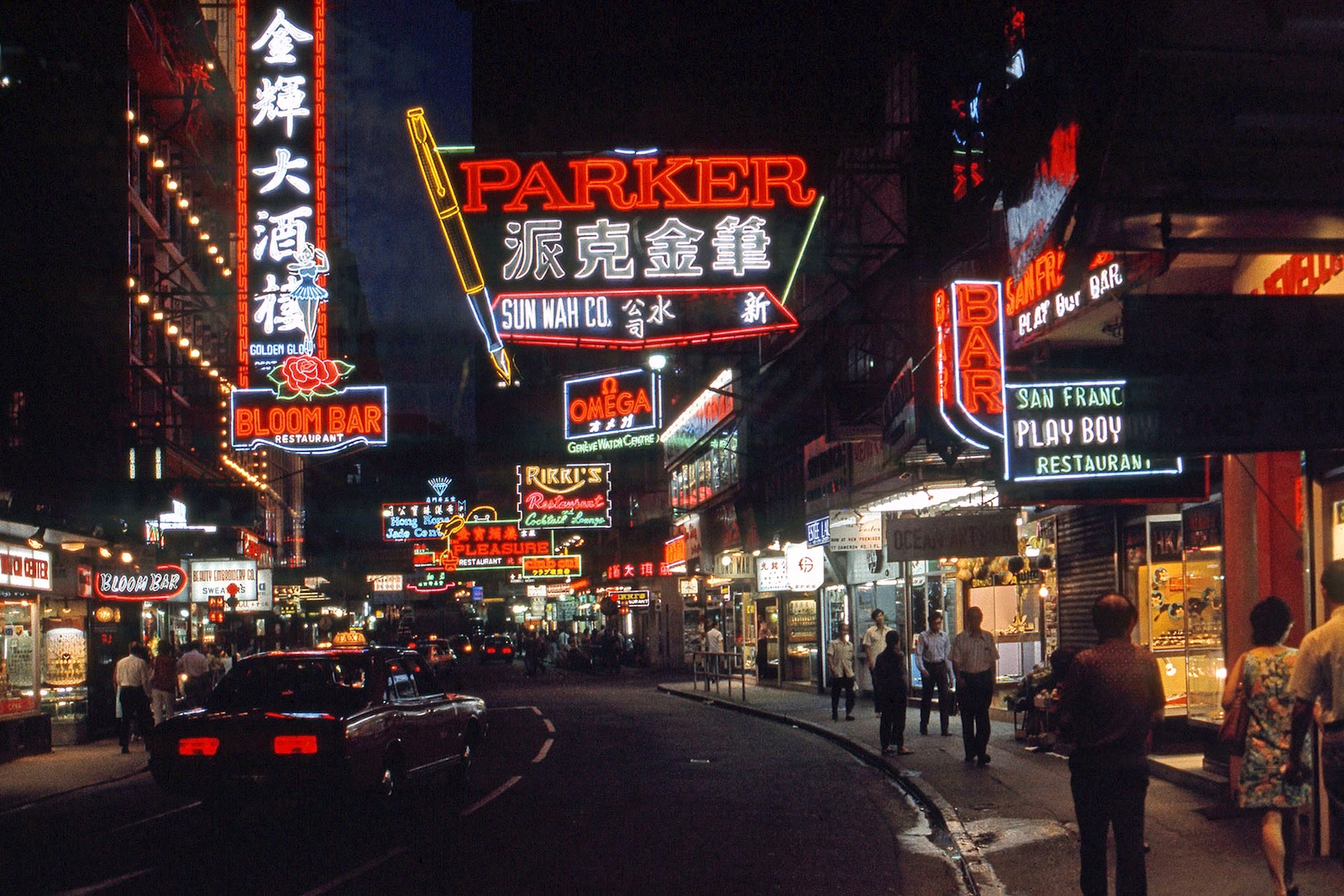
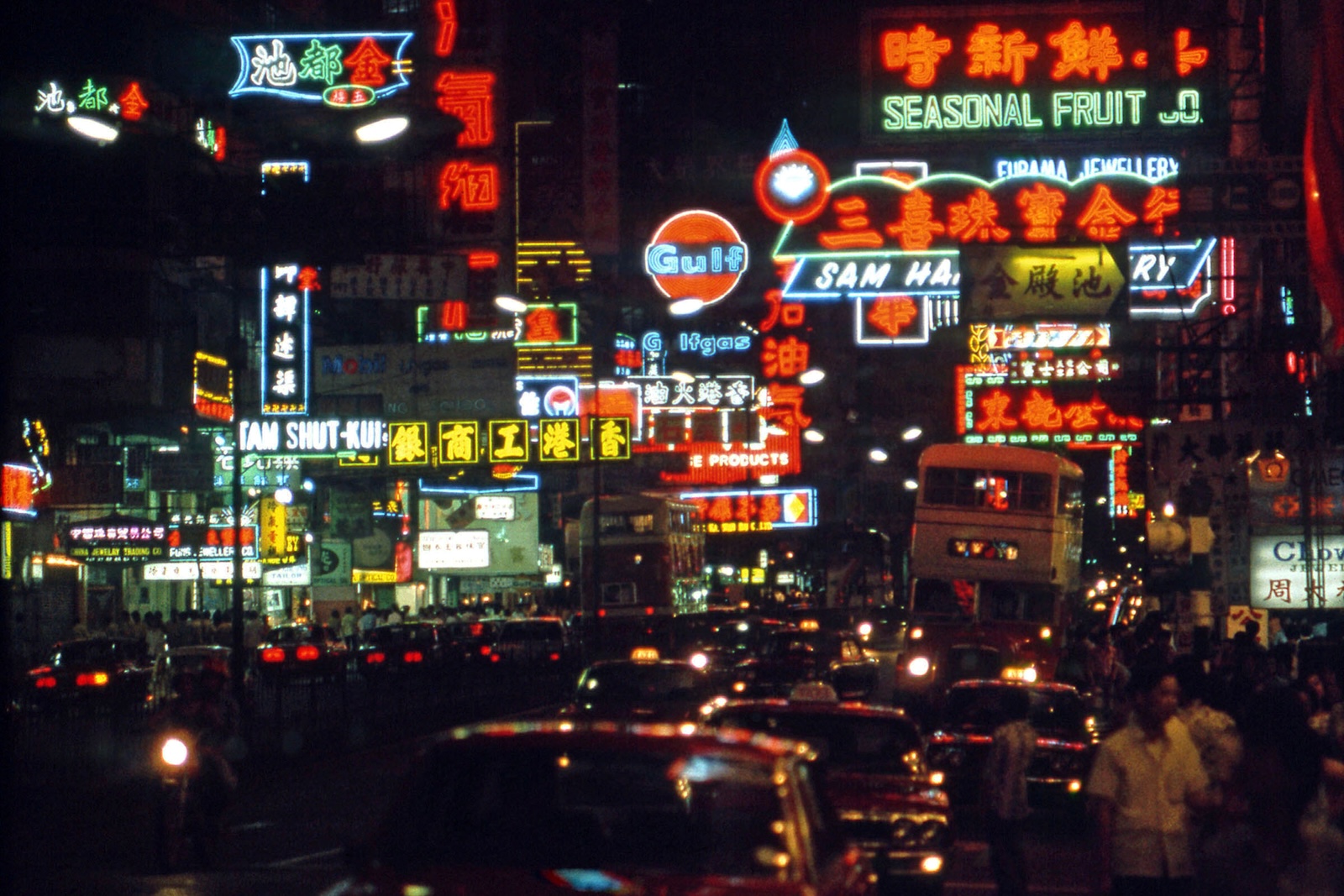
There, Girard encountered a bustling city where life was lived on the streets, with children accompanying their parents out late into the night. He was seduced by streets unashamedly dripping in neon, a contrast to Vancouver, where the city had restricted neon signs in the late 1960s and early ’70s, in what he describes as a misguided effort to make the city more appealing.
“Neon was considered louche, salacious and kind of sleazy by the city fathers of the day,” recalls Girard.
After visiting Hong Kong and Southeast Asia, he moved to Tokyo for four years. He returned to Hong Kong in 1982 and landed a job as a sound recordist with the BBC TV news.
When BBC photographers returned to England for the summer, he used his connections to shoot the civil war in Sri Lanka and then sold his photos to a magazine. Doing so kicked off his career as a professional photographer. His pictures have appeared in publications such as National Geographic, Fortune and Forbes.
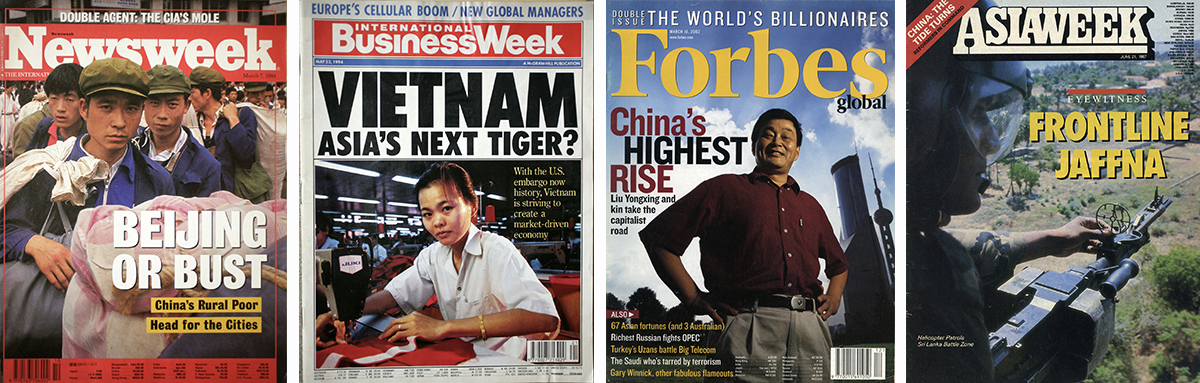
Girard has published 10 books of his photography, many of which examine the social and physical transformations of large Asian cities, and Monte Clark gallery in Vancouver represents him.
In 1998, Girard left Hong Kong for Shanghai, where he lived until 2011, before he returned to Metro Vancouver.
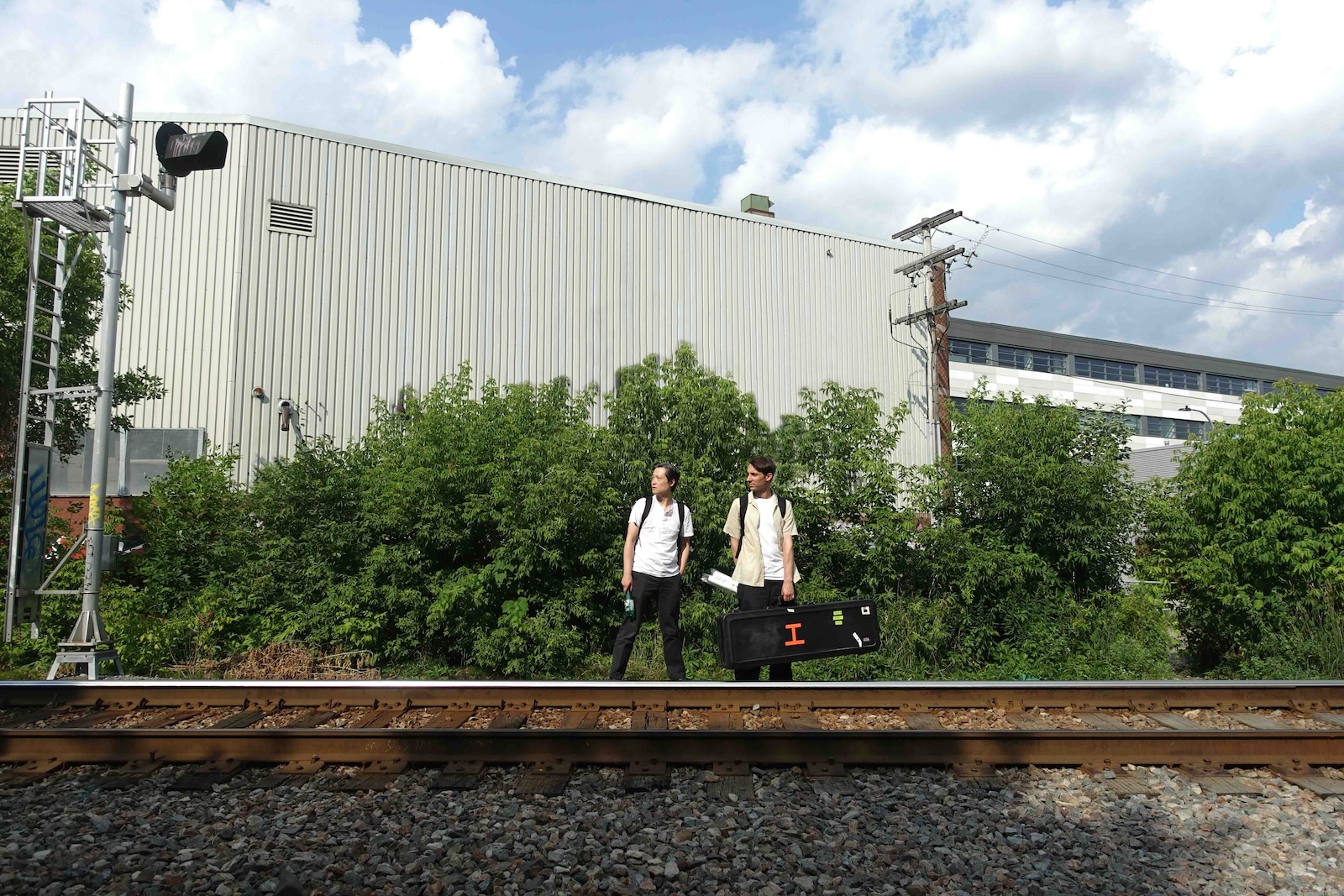
Gong Gong Gong: Rock soulmates
Joshua Frank was born in Montreal to Canadian diplomats. He attended elementary school in Beijing and moved with his family to Hong Kong in 1998 after the handover from the United Kingdom to China. He then attended high school in New Delhi, where — inspired by bassist Kim Deal of the Pixies and the Breeders, and bands such as Brooklyn experimental rock band Liars — he started playing bass guitar and making music with his brother.
When his music-loving family was considering moving from New Delhi to Beijing in 2006, they looked up Chinese bands on MySpace, discovering that, unlike in India at the time, young people in Beijing were familiar with Sonic Youth. That, in part, made Frank, who’d been studying at McGill University, keen to return to Beijing.
After Tom Ng moved with his band The Offset: Spectacles from Hong Kong to Beijing for the more vibrant music scene in 2009, Frank and Ng met and formed a record label.
The first time they jammed (in a parking lot, four storeys underground) in 2013, everything came together.
Frank, who had been finishing a master’s degree in news and documentary at New York University, moved back to Beijing.
They released their debut LP, Phantom Rhythm, which merges Ng’s Cantonese poetry with spare instrumentation that references post-punk and electronic music while drawing inspiration from Cantonese opera, spaghetti westerns and West African blues, in 2019.
They’ve toured across China, the United States and Europe, performed at the SXSW music festival and MoMA PS1 and have been featured by Bandcamp, the New Yorker and CBC.
Connection and kismet
Frank came to know Girard as a photographer through his Instagram feed during the COVID-19 pandemic. Frank and his friend and co-founder of the cross-cultural documentary collective HiLo proposed filming Girard as he shot small bars in Japan for his book and their short film Snack Sakura.
Frank and Girard discovered a kinship in their complicated identities as Canadians who’ve spent so much time outside Canada, and Girard became a fan of Gong Gong Gong’s fierce, raw sound.
A curator at M+, Asia’s global museum of contemporary visual culture in Hong Kong, contacted Girard about mounting an event. Girard proposed stitching his still photographs of Hong Kong from the 1970s until the 1997 handover together with excerpts of 1980s Hong Kong gangster films depicting fight scenes on rooftops bathed in neon-lit streets and alleys.
They were the only visual representation that captured the Hong Kong he encountered at the time.
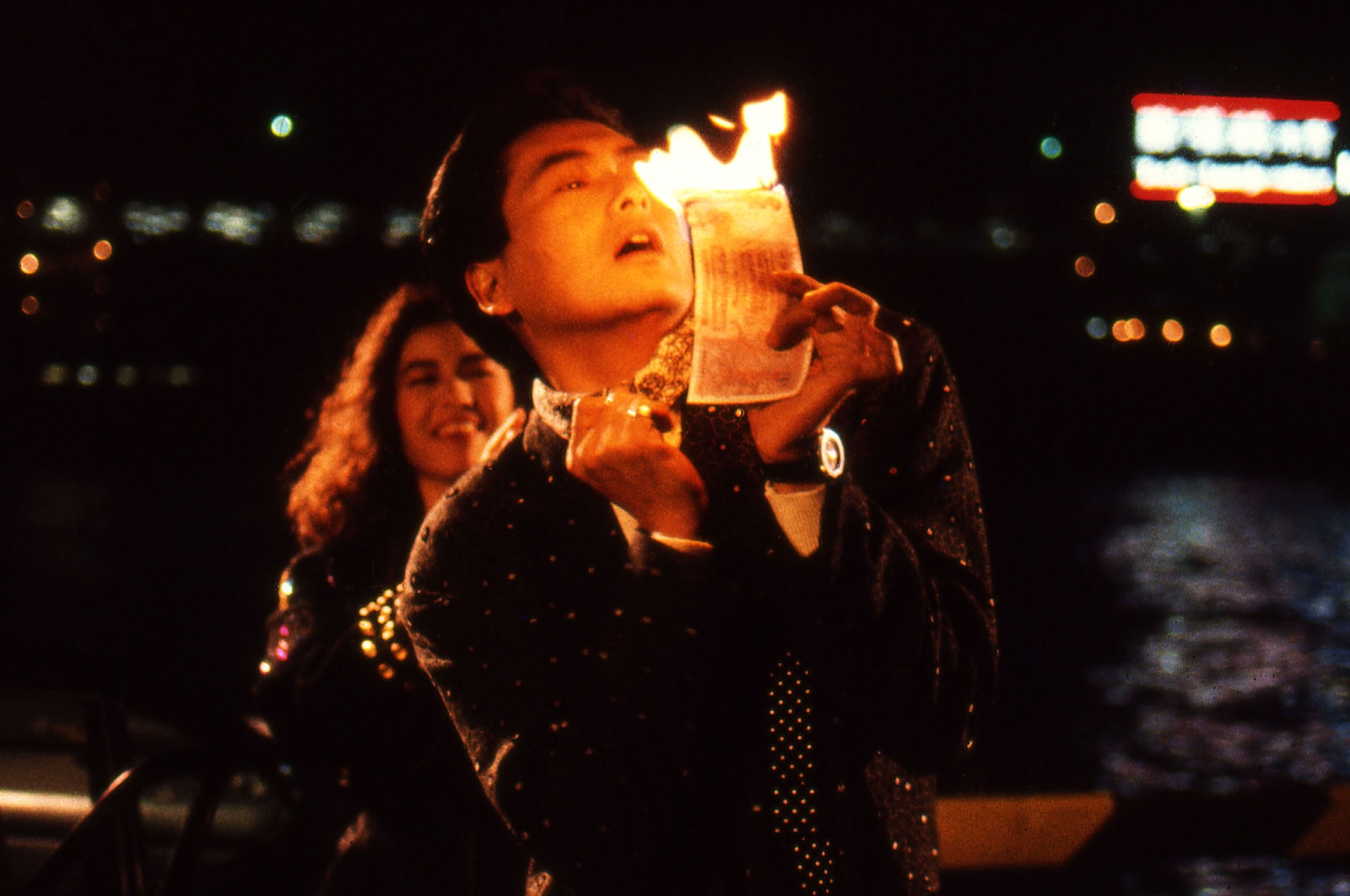
Girard didn’t want his film to be a nostalgic trip. He also wanted to reflect the tragedy that he feels has befallen Hong Kong since the handover in 1997 — a tragedy that didn’t occur until China imposed the national security law in 2020.
The result is an arresting 20-minute film of five pieces set to Gong Gong Gong’s satisfyingly rocking rhythms that sound simultaneously stripped down and larger than the sum of their parts.
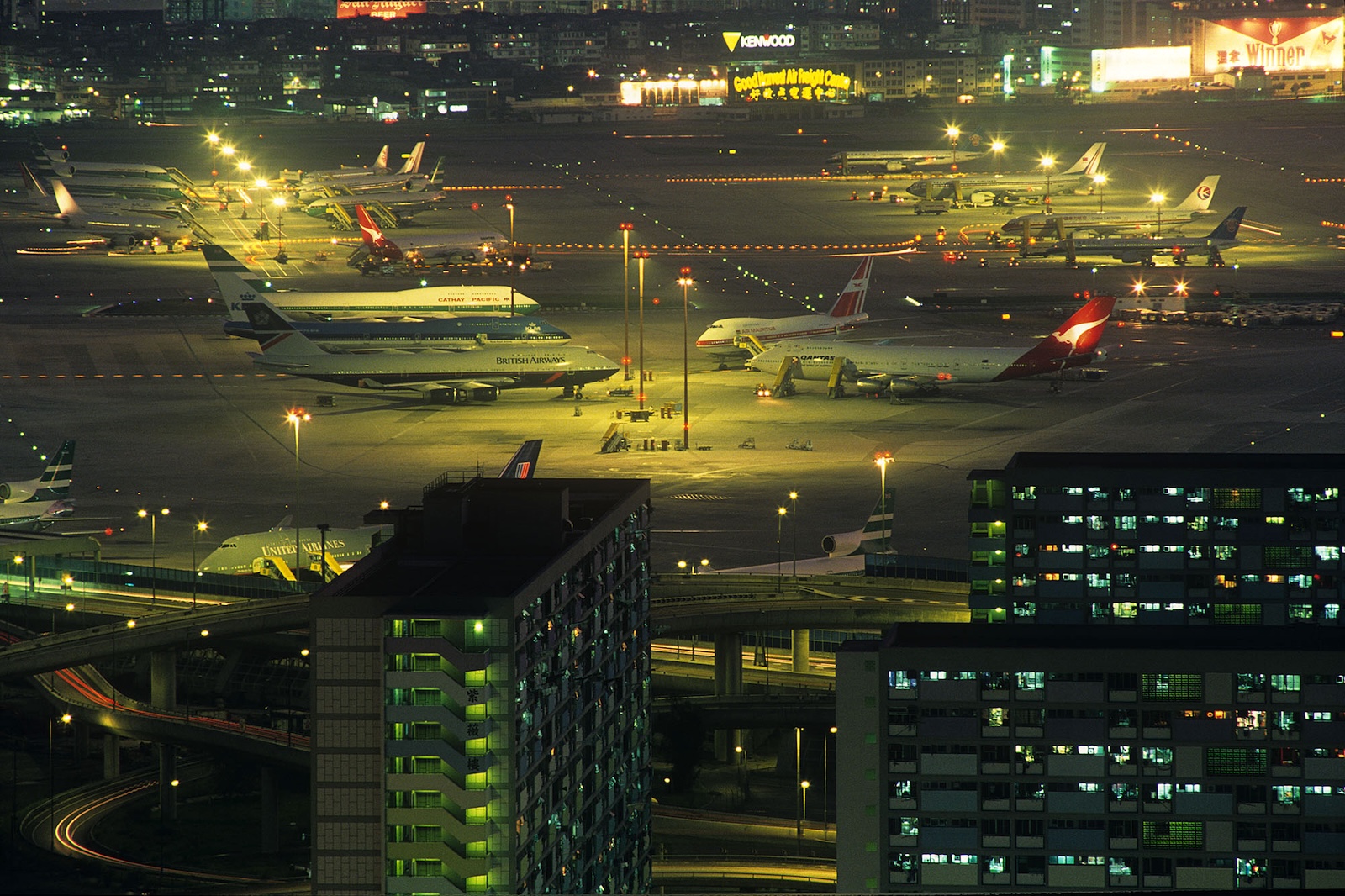
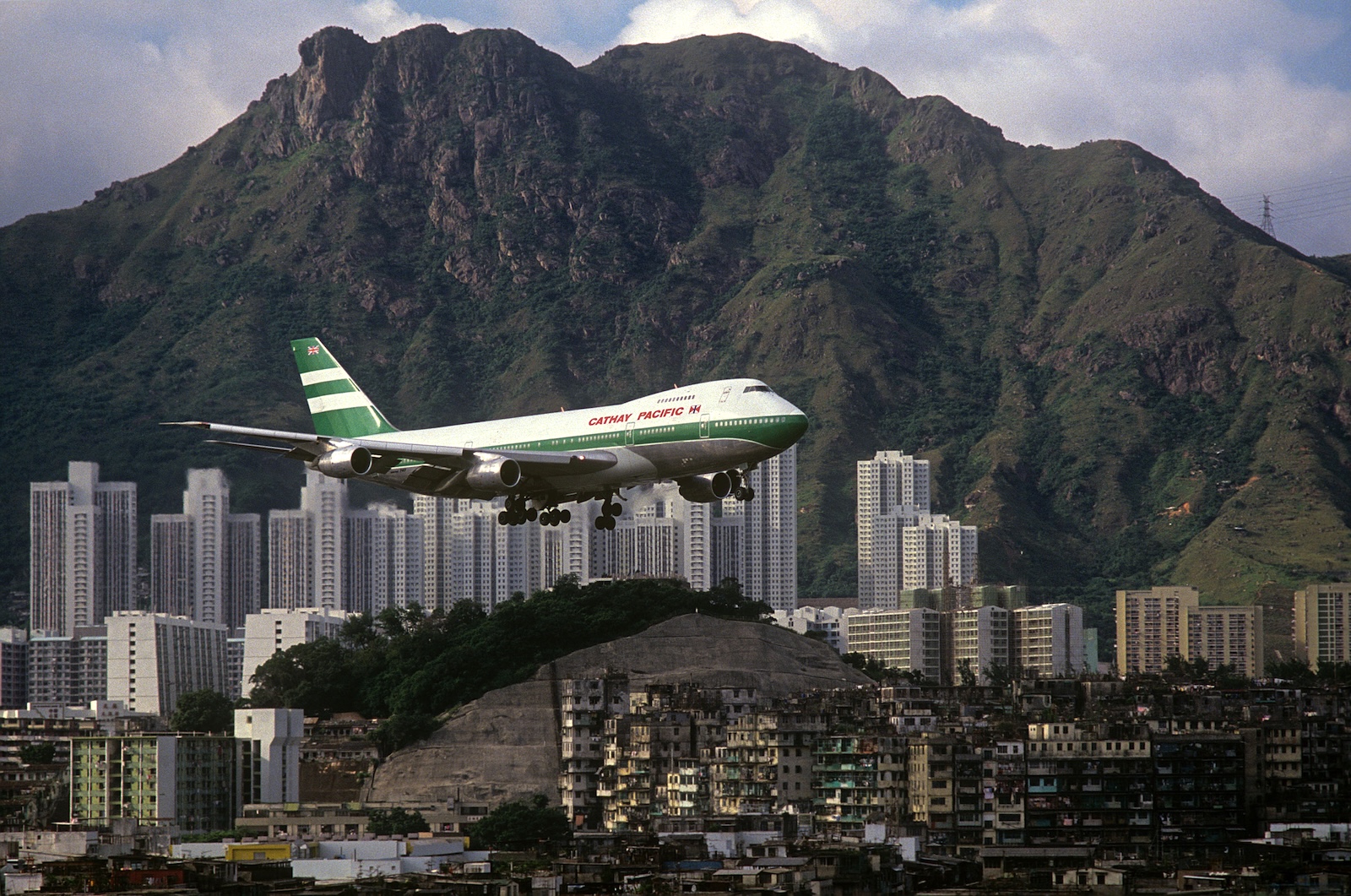
The first piece opens with dramatic clips from the 1984 Hong Kong action crime film Long Arm of the Law, before a discordant droning sound gives way to melodic bass, Cantonese singing, chugging guitar and Girard’s affecting photos of Hong Kong at night.
The fifth, “Hong Kong Made Me,” includes a young Girard, his photos on prominent magazine covers, factory workers and soldiers, accompanied by a song that incorporates a hint of the Talking Heads’ “Psycho Killer.”
“Hong Kong did indeed make me,” Girard says. “It gave me my opportunity to become a working photographer, and it gave so many Hong Kong people the same thing, the opportunity to do what they wanted to do.”
He notes the restrictions on people’s lives in China were profound from the 1950s to the 1980s, so many people got themselves to Hong Kong with the clothes on their backs and started anew.
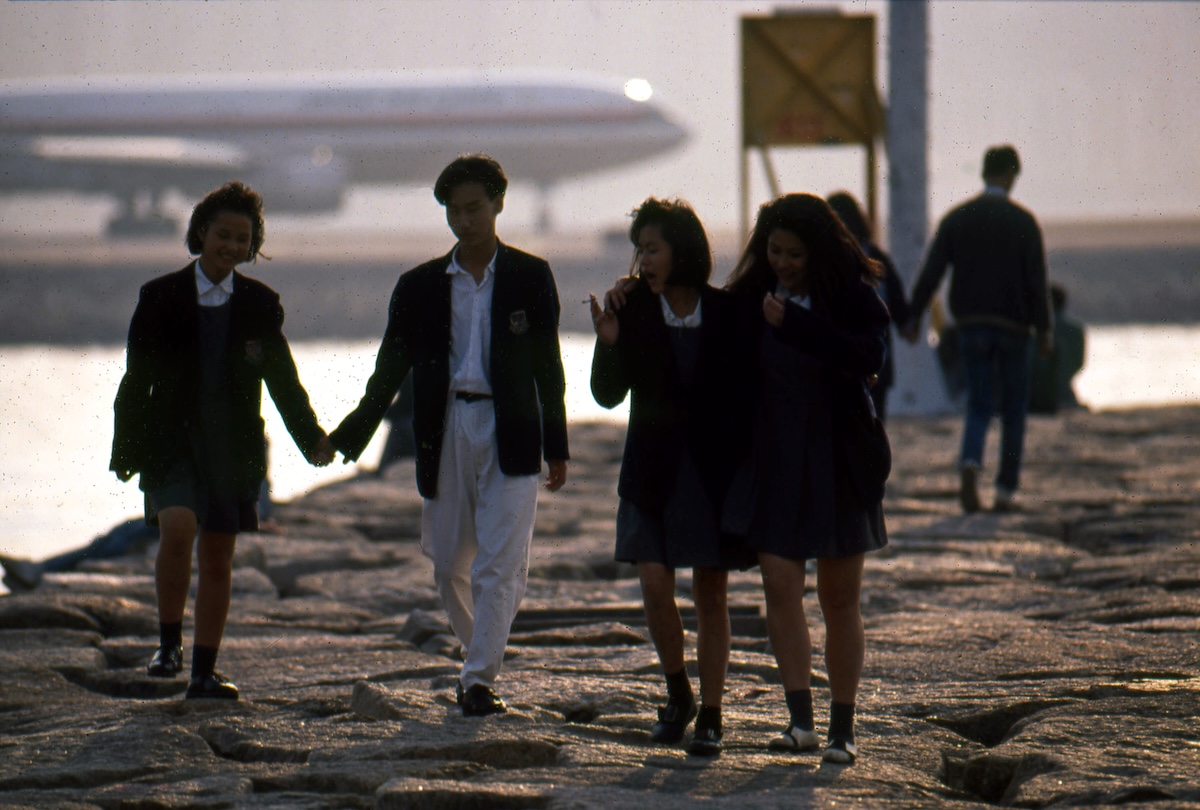
Gong Gong Gong will play more refined, subtle, poppy new unreleased songs alongside older selections at their evening performance in Vancouver on Sunday, and they expect to attract an unusually diverse crowd, including Chinese Canadians who don’t typically frequent clubs.
“There’s a large Hong Kong population in Vancouver, including my two aunties. It will be really nice to play in front of them,” says Ng. “My music tastes were influenced by them a little bit when we were young because they were kind of the hipsters.”
Gong Gong Gong played a show in Montreal last month and recognized audience members from the only show they’d played in the city two years earlier.
“It makes us feel like we’re helping enable a community a bit,” says Frank.
“The first show we played in Montreal, someone came up to me and said, ‘I didn’t know anyone in Montreal knew about you guys, but I made friends at this show.’ That’s a really amazing thing.”
‘Hong Kong Made Me’ and Gong Gong Gong’s concert take place at Red Gate Arts Society in Vancouver on July 13. A discussion will follow the afternoon performance. Details are online. Vancouver musician Scott Gailey, who performs under the name Hotspring, will open for Gong Gong Gong. Details are available online. ![[Tyee]](/design-article.thetyee.ca/ui/img/yellowblob.png)
Read more: Music, Media, Film, Photo Essays







Tyee Commenting Guidelines
Please note that email notifications for replies are not currently working due to a software issue which may be resolved in a future update.
Comments that violate guidelines risk being deleted, and violations may result in a temporary or permanent user ban. Maintain the spirit of good conversation to stay in the discussion and be patient with moderators. Comments are reviewed regularly but not in real time.
Do:
Do not: