


 SHARE:
Walking through the doors to Red Gate Arts Society in Vancouver’s Mount Pleasant is like entering a secret hideout. The exterior is painted black, the windows are tinted. There isn’t even a sign outside with the venue’s name.
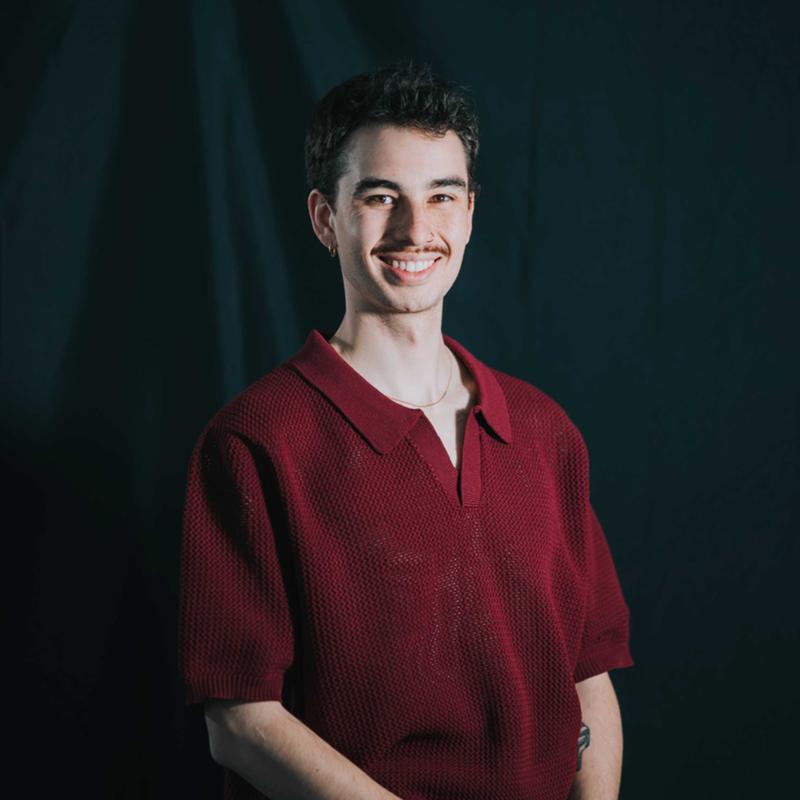
“When we first started doing events,” says Jim Carrico, Red Gate’s founder, “there was a squad of Vancouver police that were actively hunting for after-hours spaces, so I learned how not to be found.”
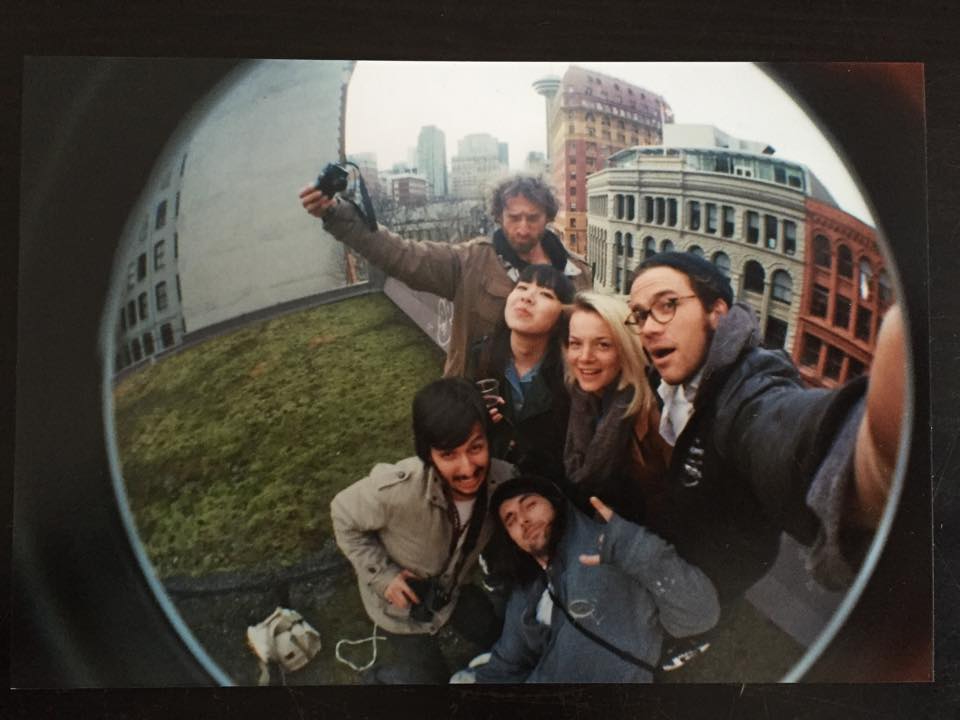
Since its inception in 1984, Red Gate has been synonymous with the Vancouver arts and music scene. Underground punk shows. Offbeat performance art. A cash-only, ‘pay-what-you-can’ admission system.
“It’s a cultural wildlife refuge,” Carrico says, smiling, as we walk down through the labyrinth of hallways that make up the venue.
After a few twists and turns, we stop outside the padded door leading to his combination office and studio space. He points at a piece of plywood next to the door. He tells me it was a piece of the wall from the original Red Gate building, which had, stapled to it, the actual eviction notice from the City of Vancouver.
A constant reminder that spaces like these are never permanent.
As we enter his office, Carrico laments that they had to lay off some staff recently, as Red Gate has fallen into some financial trouble.
He lists the things he has to pay for: rent, property tax, liquor licensing, special events permits. On top of all of that, he said he also pays GST in addition to regular licensing fees and Red Gate’s property taxes. “We pay tax on the tax,” he says, “the special tax tax.”
Since then, Carrico has taken over most of Red Gate’s operations, something he’s had to do many times in the past.
Over its 42-year history, Red Gate has changed locations five times. New landlords forced it out. There were disputes over permitting. They were priced out by Chip Wilson himself.
“I think they call that ‘renoviction,’” Carrico chuckles.
It’s been a constant fight just to exist. Thankfully, the community around Red Gate hasn’t been shy about showing their support.
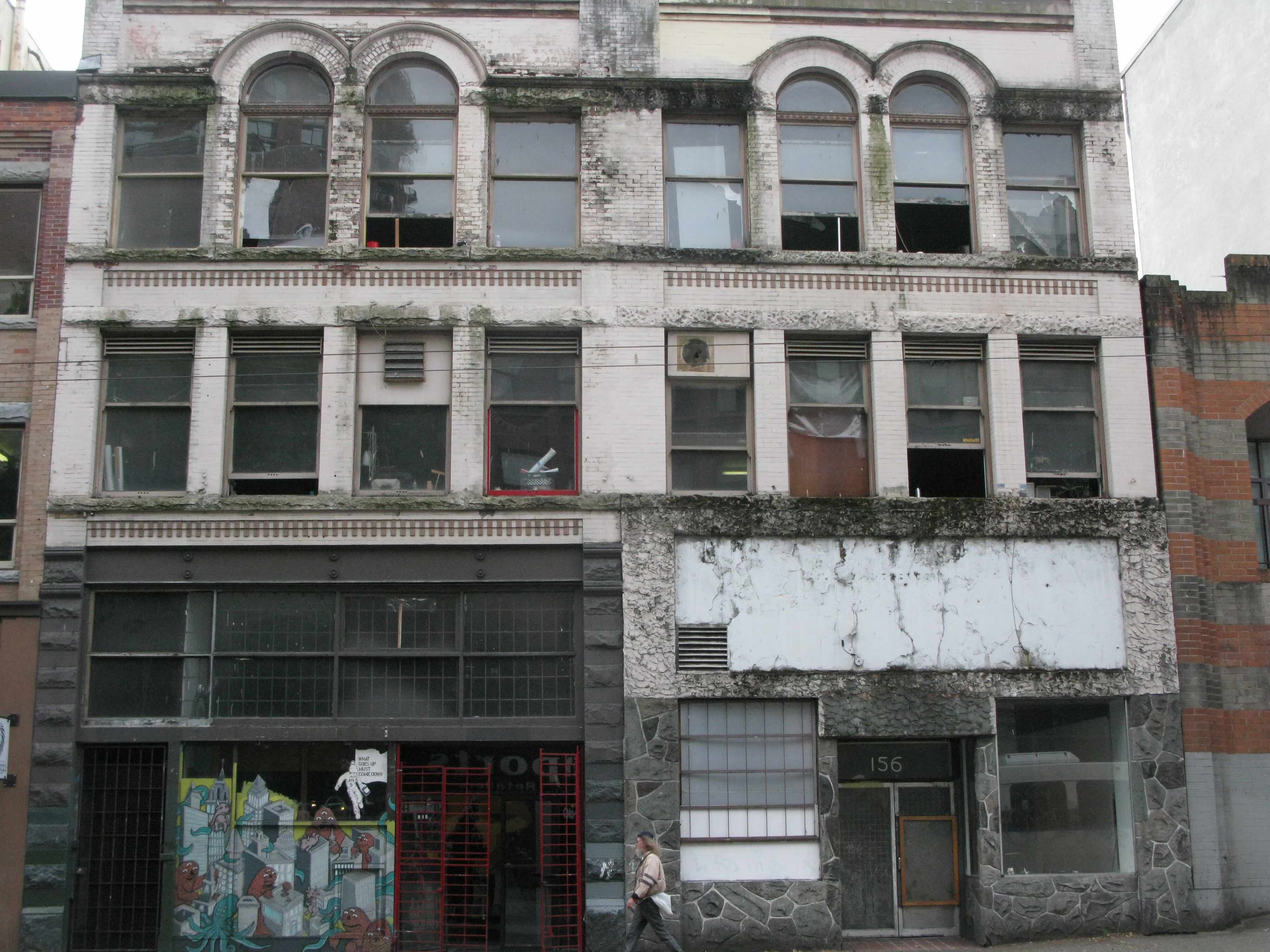
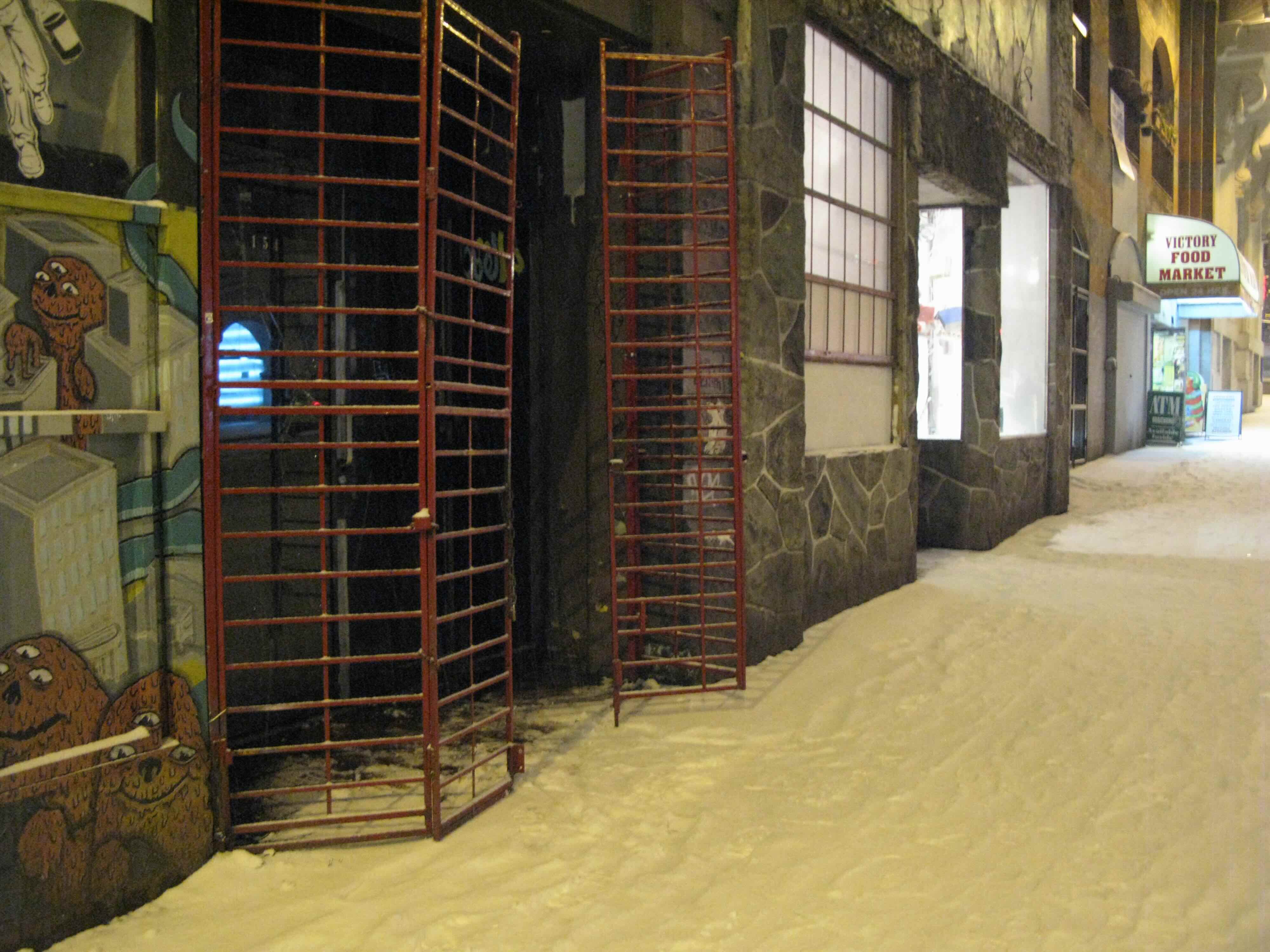
In 2009, when the old location at 152, 154 and 156 W. Hastings St. was hit with a 24-hour eviction notice, local supporters sprung into action. “Over the course of the weekend,” Carrico recalls, “[they] sent, like, I don't know, 1,500 to 2,000 emails. Just clogged their entire mailbox… We didn't do anything. It was just spontaneous community action.”
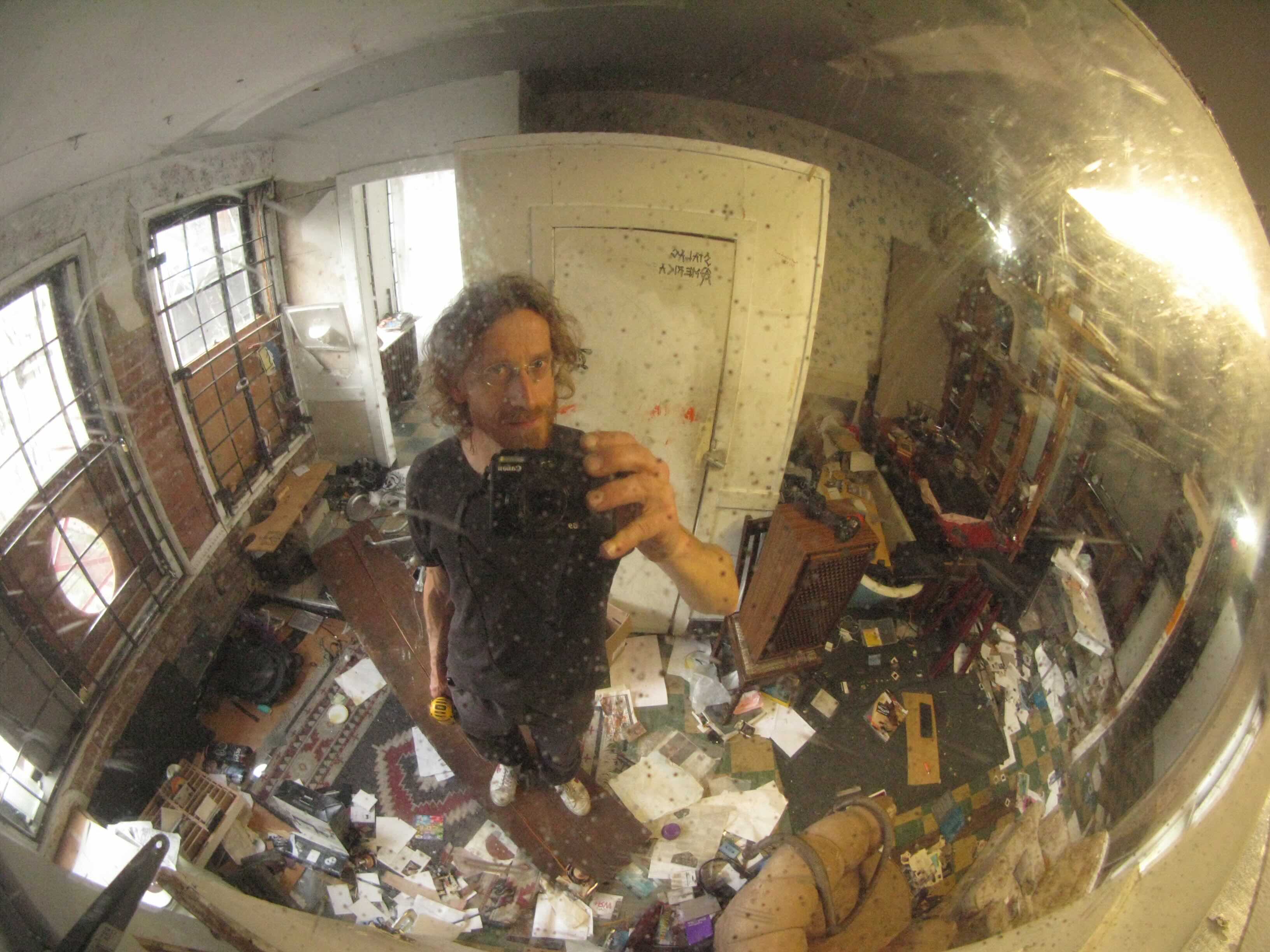
In 2020, when Red Gate nearly shut down again, a fundraiser coupled with a one-time cultural grant from Vancouver City Council kept the lights on heading into the COVID-19 pandemic.
When efforts to stay at a location have failed, the community around Red Gate has come together for ‘eviction parties,’ celebrating the death of one venue and looking forward to what’s next.
“When we move from one building to the next, we take all the stuff and all the people. It’s really the same place in a different building. That’s how I’ve always looked at it.”
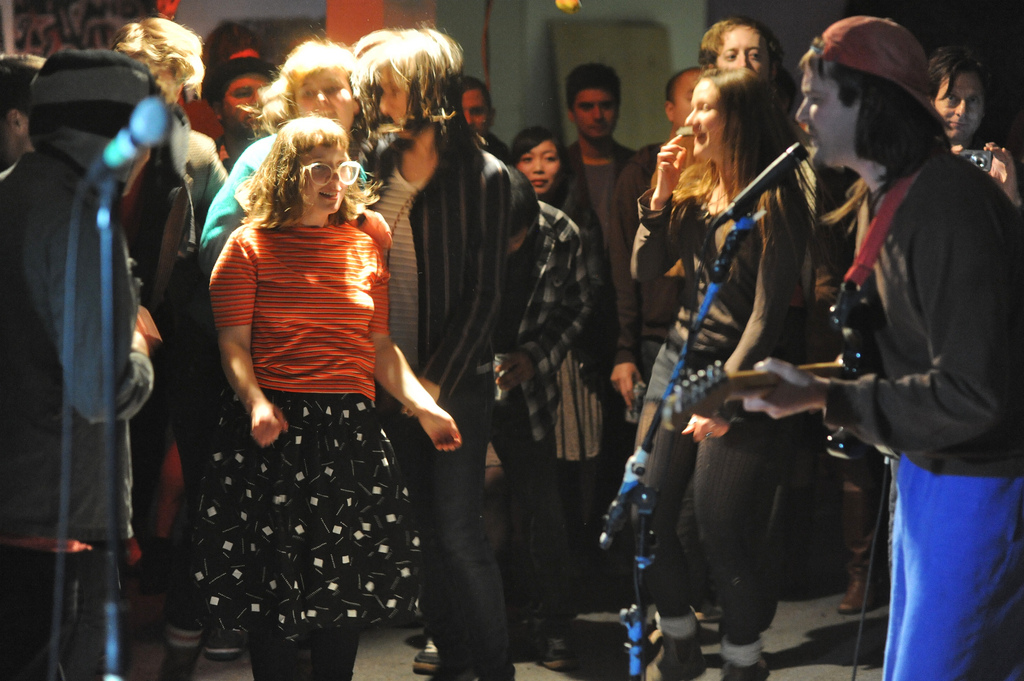
Red Gate has showcased the work of innumerable artists, including the late visual artist and musician Rodney Graham and visual artist Ian Wallace.
Red Gate’s second location, 47 W. Hastings St., was where acclaimed indie rock band the New Pornographers first formed.
Through it all, Red Gate has been the definition of a grassroots venue.
Growing up on sci-fi films depicting dystopian futures, Carrico and some friends started Red Gate to do something meaningful while they still had the time, anticipating some kind of catastrophic ecological collapse.
“Red Gate is about a series of spaces that serve that purpose. Preserving some sort of sanity in little islands,” Carrico says, “if only just for me and my immediate circle.”
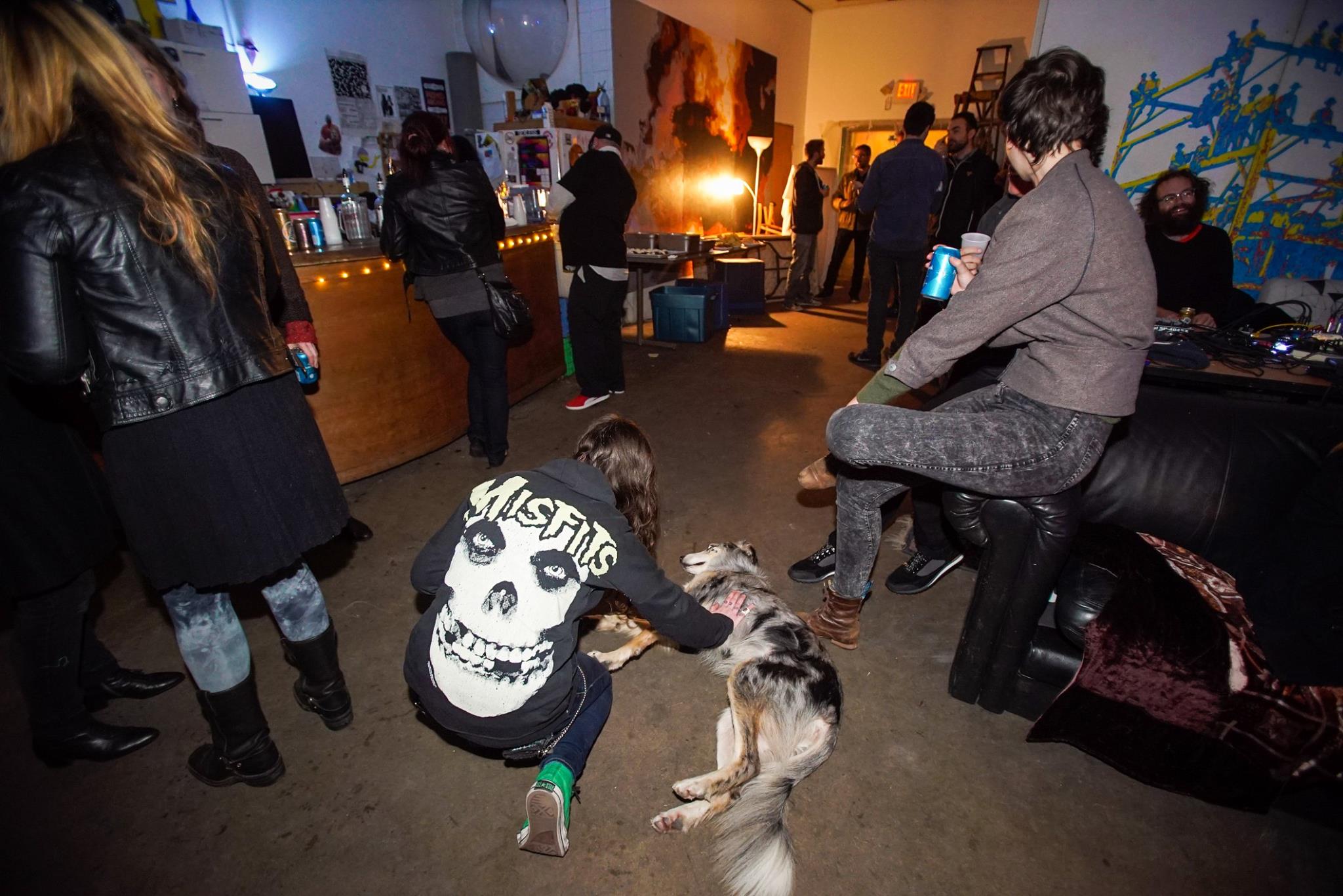
These little islands are the nooks and crannies that make up the heart of Red Gate. Small rooms filled with art and music. Pockets of community often ignored by mainstream venues.
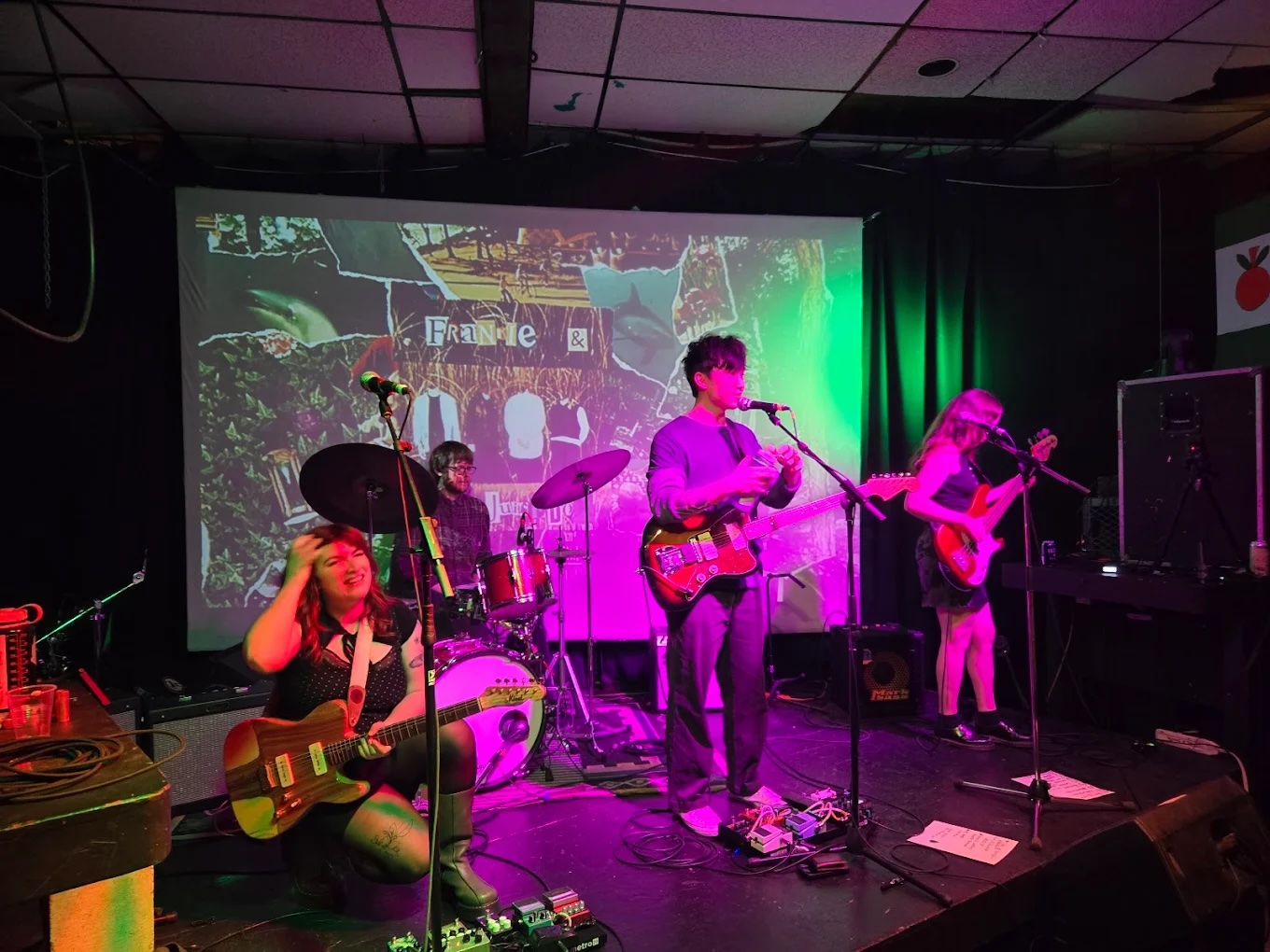
Today, artists from all walks of life flock to Red Gate for cheap shows, great bands and a DIY attitude that is becoming harder and harder to find.
Most nights, you’re likely to see Carrico hanging around the back of the venue, nodding his head to the music, as he’s done for the better part of 42 years.
We caught up with the Red Gate founder recently to talk about the Vancouver arts scene, the importance of making a home for “eccentric weirdos” and more. This interview has been edited for length and clarity.
The Tyee: I guess I’ll start with the classic softball question: who is Jim Carrico?
Jim Carrico: Well, I grew up in Squamish. I was a science nerd, inspired by the environmental movement of the ‘70s and the fact that if we didn’t change course as a society, 40 or 50 years from now, shit was going to hit the fan. I decided I wanted to become an ecologist, so I went to UVic and got a biology degree, but decided academia wasn’t for me.
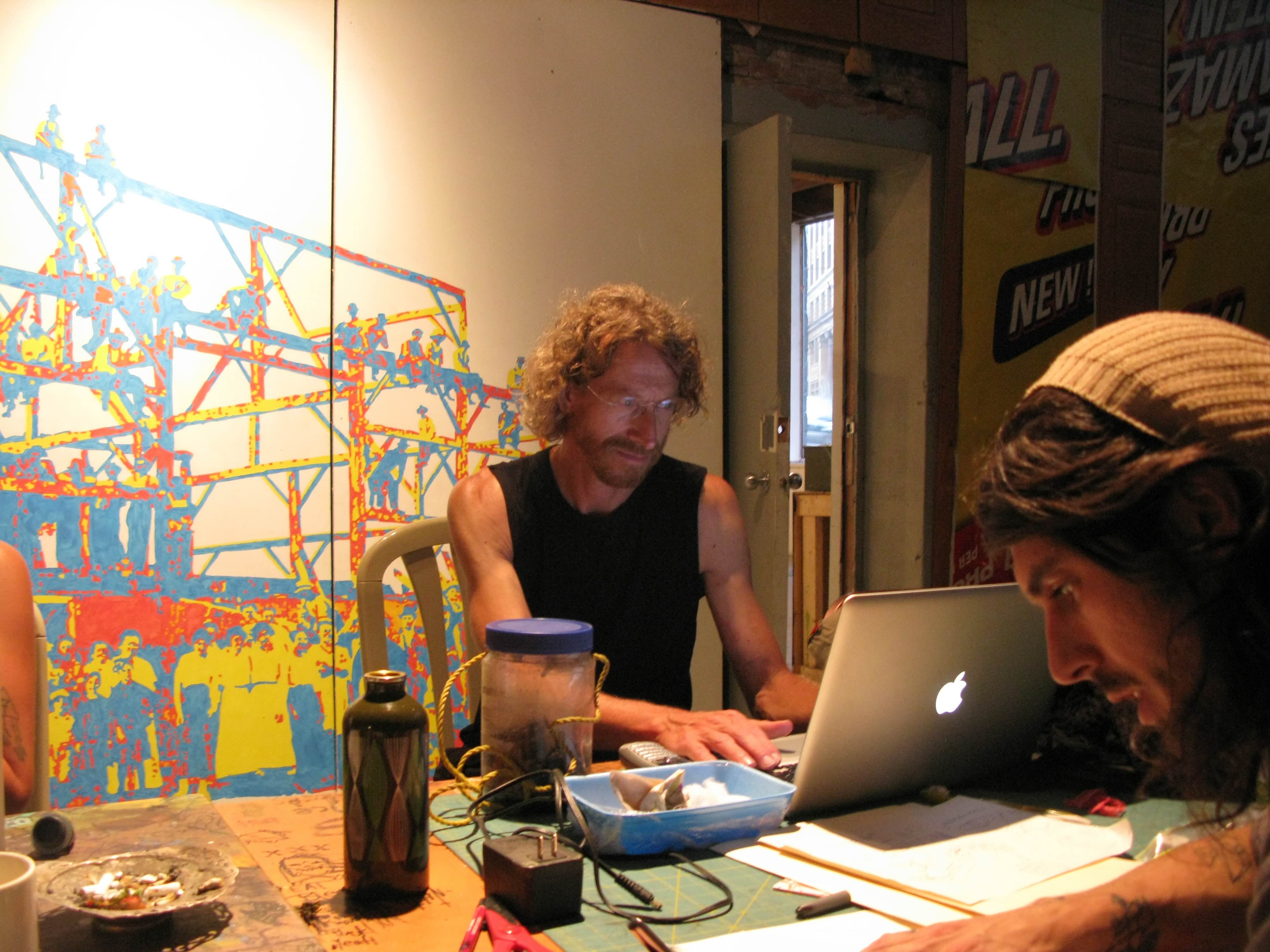
That’s when you got caught up in the Vancouver arts scene and started Red Gate. How did it get its name?
The place had a red gate. It had a gate that was painted red. That was the name that people gave it. We never named it that.
Some guy was like, “Well, how are people supposed to know where it is?”
I was like, “I don’t know. Just describe it. Go to Cambie and Hastings, to the southeast corner, and walk down the block until you see the red gate.”
And that became the name of the place.
What was the arts scene in Vancouver like at the time?
In the late ‘70s, early ‘80s, there was a movement of breaking the bounds of the gallery. Art had to become relevant to the real world, and that it wasn’t just about making little paintings in the galleries in the white cube. It was about actually getting your hands dirty with the reality of the world.
A lot of street art — Keith Haring, Jean-Michel Basquiat — those kinds of things were happening.
And what made Vancouver such a hub for artists?
There was a period where there was just tons of empty space, and artists inhabited those spaces. There was a huge kind of archipelago of warehouses and studios where different things would happen.
In the early days of the punk scene, there weren’t very many venues. The bars and the clubs would not book those types of shows. So they mostly happened in people’s studios. In third-floor walk-ups and weird storefronts.
In those days — it was before Vancouver real estate was the hottest commodity on the planet — landlords were just happy to get the money. You could rent a whole floor of a warehouse for $500 and basically do whatever you wanted until somebody complained, and then, if the landlord kicked you out, there was just another shitty building down the road.
Is that the kind of environment you’ve tried to emulate here?
I’ve really tried to not project my own tastes onto what is happening here. A lot of the music that happens here isn’t stuff that I would choose, personally, to listen to, but it’s not about what I’m interested in. I’m more interested in the community building and social aspects of it.
As time has gone on, it’s become more and more important with, you know, virtual worlds, and social media, and this alienated culture, to have places where people can just meet physically and actually talk.
Tell me more about the importance of having physical spaces to meet.
Well, when you look around a room full of 100 eccentric weirdos, talking about 100 crazy ideas, there’s no way you can tell which one of those is going to turn into something.
People often look back and go, ‘Oh, remember, back in the day.’ You see the various films about Bob Dylan. Like what is special about this guy? You can go backwards and go, ‘oh yeah, it all started this weird night where this person met this other person,’ but at the time, there’s no way of knowing.
For me, the most transcendent moments have always been things that you could never have planned.
Like one day these artists from Japan showed up and they were doing ambient music from recorded nature sounds, and they did this whole crazy installation, all of it completely spontaneously. It wasn’t like somebody told them to do it, they just walked in the door and the next day they did this thing.
The best things have never — and could never — be planned.
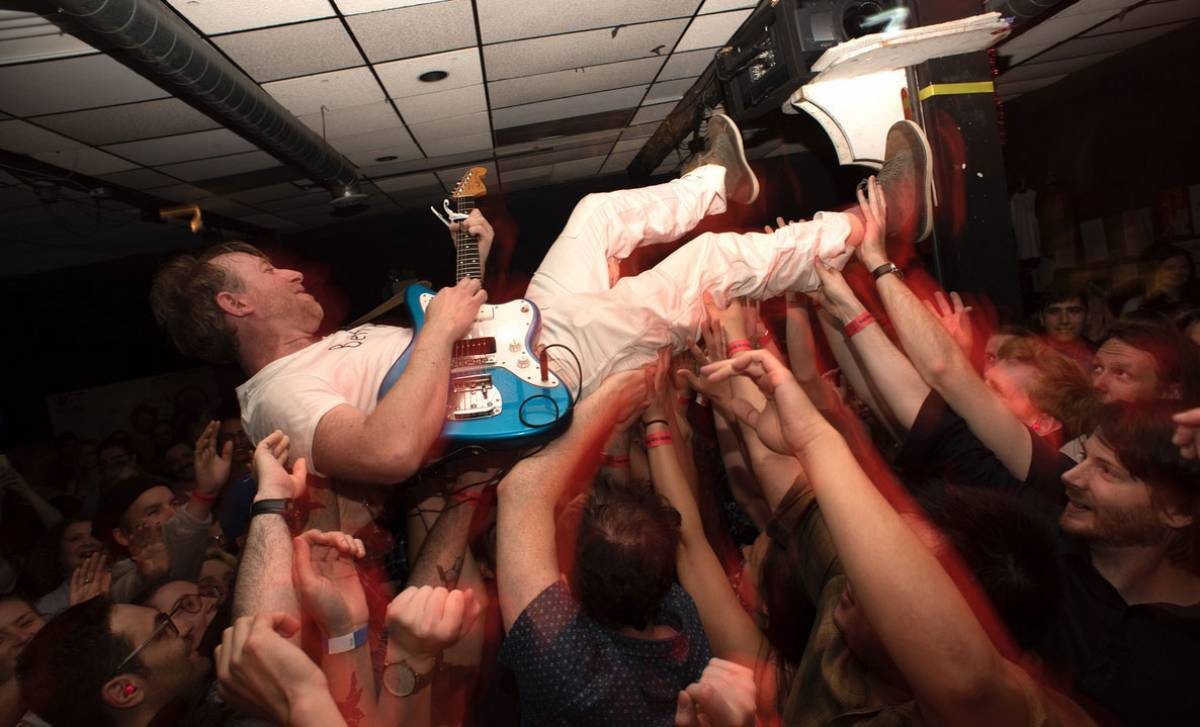
Right, so that spontaneity — that’s kind of the heart of Red Gate?
People who live in highly structured, institutional environments have no concept of spontaneous activity. They have no concept of like, well, ‘I don't know what the outcome will be,’ you know?
I want surprises.
The whole point is to have a space where somebody can just walk in and go, “Hey, I got this crazy idea. I want to do this thing. Let’s make it happen.”
Like, some people just got a hold of us, they want to do an updated version of Macbeth set in a punk rock venue in Scotland. So right now, I’m expecting the guy to show up here one of these days to discuss it.
We’re just willing to go, “Yeah, crazy, let’s do it.”
And it’s not something you engineer. It’s cultured. You have to grow it.
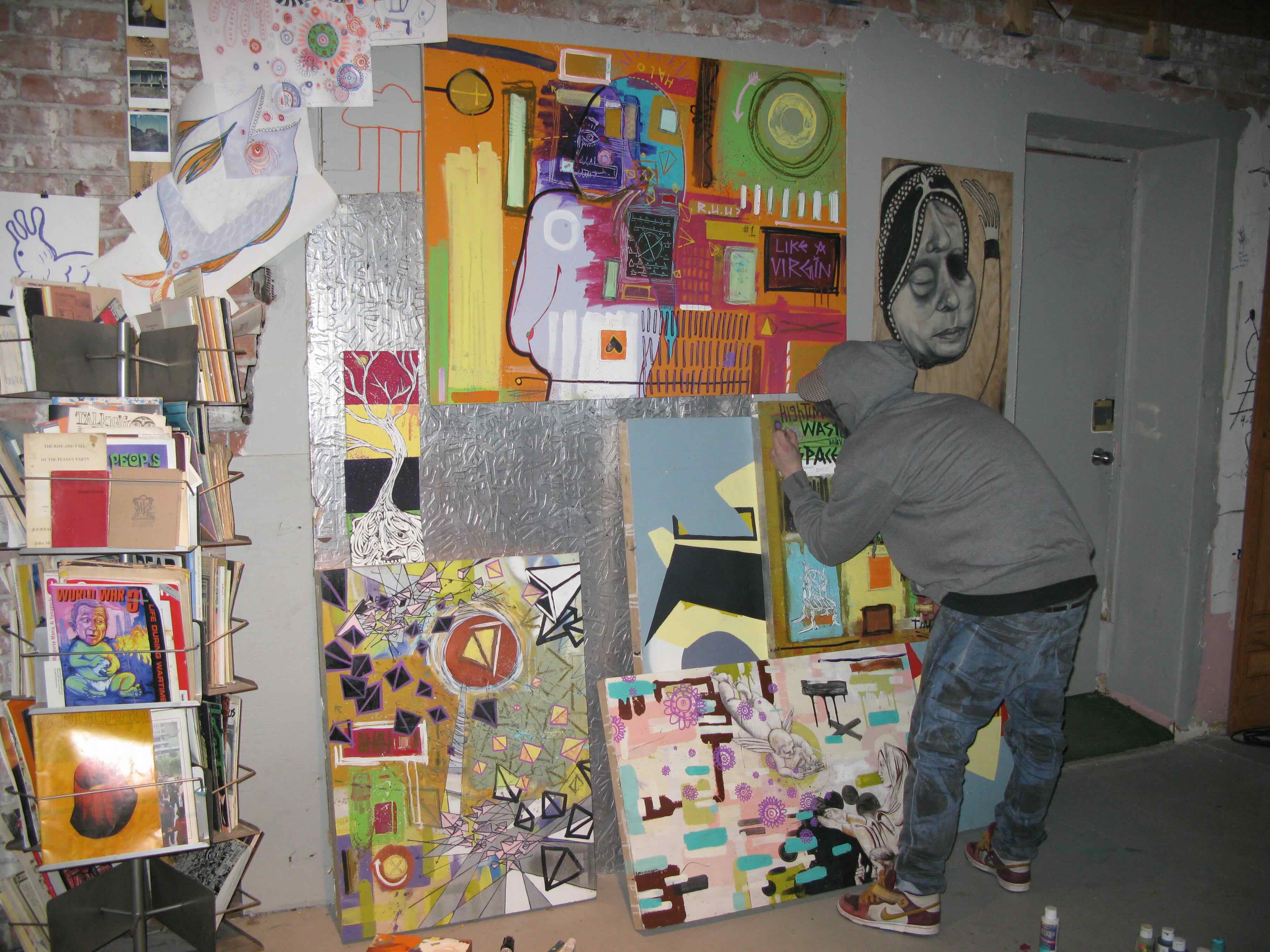
Places like Red Gate are built to foster budding creatives. Do you feel like they’re central to building community?
Well, if there’s going to be any change in our society, in our civilization, in our species, it’s not going to come from the top down. The people on top are part of this machine and change is not in their interest. It’s not in their capability to even conceive of the need for change. Look at history.
Every social change has always basically started from the bottom. If there was ever going to be any kind of social change, there needs to be places for it to happen.
That’s kind of always been my guiding star. That need to have spaces, without me defining how that would have to go down.
Obviously, I’ve got my own opinions and my own ideas, and I’m not shy about telling people, but I’m not going to impose those on anybody.
Red Gate has been an experiment of whether it’s possible to have a non-hierarchical organization.
Is it possible to have a conspiracy of equals? Of people who are all on the same page and nobody is the boss of anybody else? A space based on voluntary association and mutual aid?
Do you think the experiment has been successful?
The Downtown Eastside of Vancouver has been full of artists and musicians going back for almost a century. It’s been part of the fabric of the whole scene down there. Why? Because it was affordable. I found a book on the underground scene in Greenwich Village in the 1920s, which opens with a little stanza of a song:
“They came because the rents were cheap.”
That’s really all you need.
Anybody who’s doing something really new and original, chances are it’s not going to be super lucrative or marketable, right?
So, you need a place where people can make it up as they go along, where they can fail, where people can try something 10 different ways until they find something that works.
Then, other people can come along later, and they can market that, and they can turn it into some, you know, cultural product or whatever.
But you need those places.
That’s really the story of Red Gate. ![[Tyee]](/design-article.thetyee.ca/ui/img/yellowblob.png)
Read more: Music, Urban Planning


Tyee Commenting Guidelines
Please note that email notifications for replies are not currently working due to a software issue which may be resolved in a future update.
Comments that violate guidelines risk being deleted, and violations may result in a temporary or permanent user ban. Maintain the spirit of good conversation to stay in the discussion and be patient with moderators. Comments are reviewed regularly but not in real time.
Do:
Do not: