


 SHARE:
[Editor’s note: This is the second instalment of a two-part series looking at the town of Cassiar, and the legacy of its asbestos mine. You can read the first part of the series here.]
When your hometown disappears, there’s no going back.
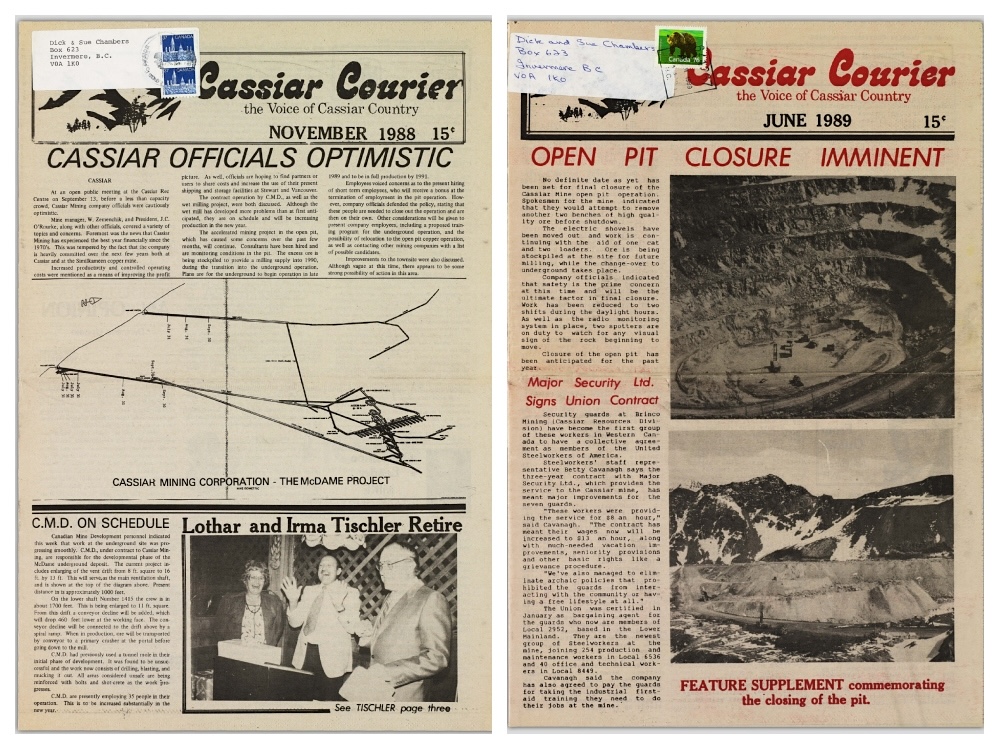
That was the case for residents of Cassiar, a close-knit community built around a northwest B.C. asbestos mine. After the mine closed in 1992, the town was dismantled. There was no returning for family visits, high school reunions or the annual company Christmas party.
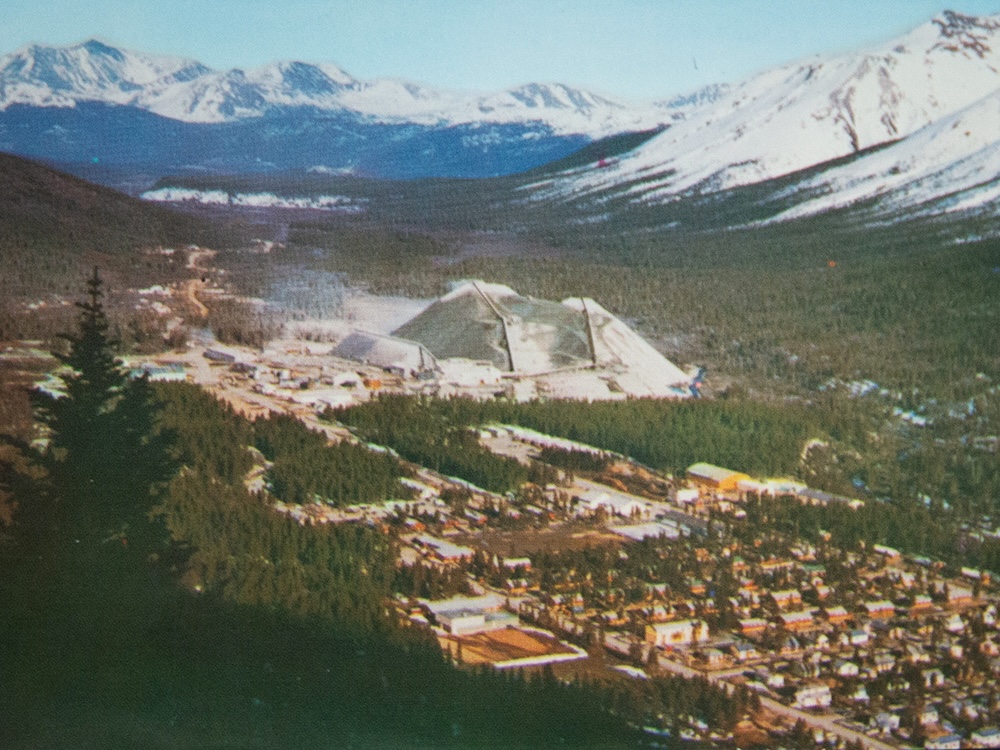
At any given time, Cassiar had a population of about 1,500 people. Roughly half were directly employed by the mine, which shared its name with the town. Some stayed only a short time, living in bunkhouses and working to put money away. Others raised families in the log dwellings nestled into a wide mountain bowl. Over its 40-year lifetime, more than 50,000 people passed through Cassiar.
The scattering of residents three decades ago has made it difficult to track the health outcomes of those who lived and worked there. Although the health impacts of asbestos exposure are well studied, little is known about the long-term effects of living and working in Cassiar, specifically. The consequences of asbestos exposure can take 20 to 40 years to fully appear.
Some residents hold only fond memories of the town. Herb Daum, who was born in Cassiar in the ’50s, compares the remote community to the television show Cheers — it was a town where everyone knew your name.
“Adults who weren’t your parents might come out on the street and give you shit for doing something,” he says. “That’s the kind of town it was. You were raised in the village.”
More than 40 years after he left his hometown for the Sunshine Coast, Daum’s health is good. “If it weren’t for my knees giving out, I’d ride a bicycle,” he says.
But other former residents say they have experienced illness that they believe is linked to their time at Cassiar. Conclusively making the connection in order to claim workers’ compensation has proven difficult, however. Advocates say better tracking of health outcomes from the mine is long overdue.
“Anybody that was living in that community should have been protected and should today be followed and monitored and supported in their health adventures into the future,” says Lee Loftus, former vice-chair at WorkSafeBC and an occupational safety advocate.
Given the average 30-year latency periods, the time for monitoring is now, he says.
“Those claims are going to continue to build. We’re now going to see people lose their lives as a result of this,” he says.
Cassiar represents a ‘gap’ in health research
Daum began working in the mine at age 16.
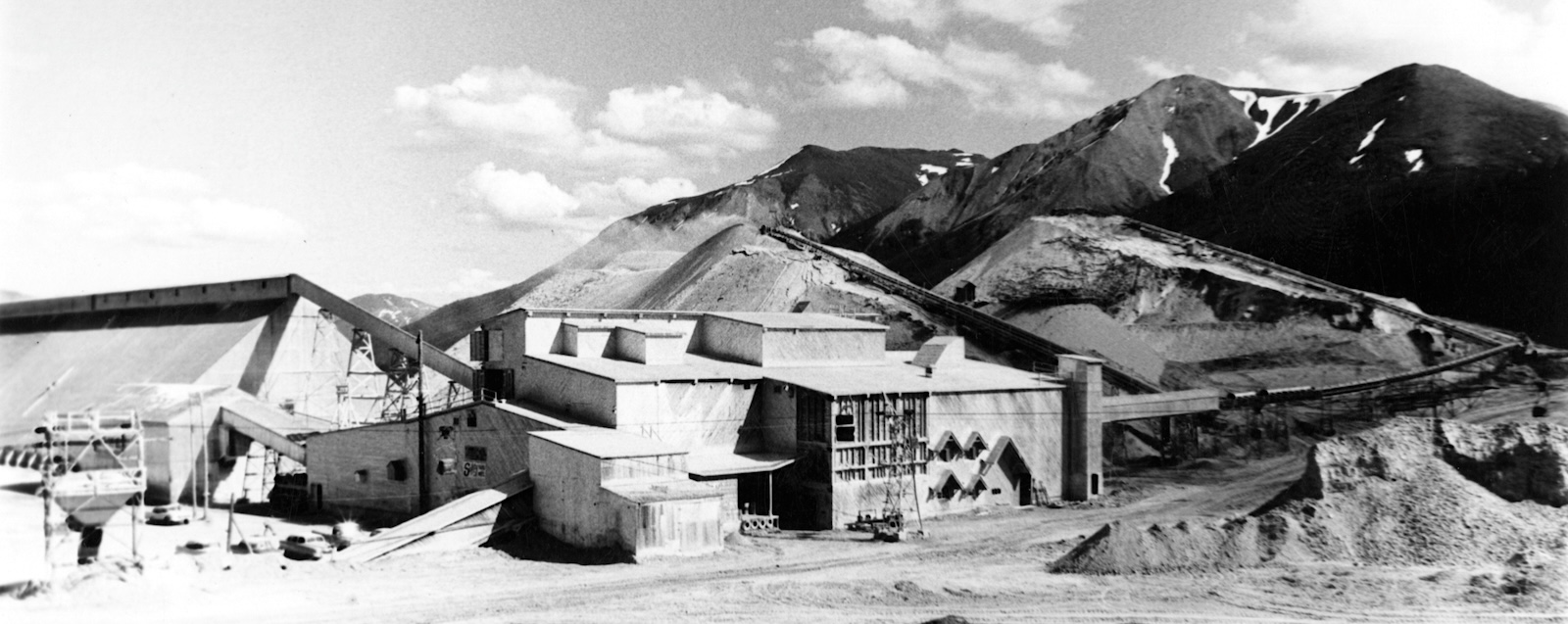
“My exposure to asbestos was significant, perhaps more than most,” he says. He recalls sweeping out the mill, where the asbestos dust was so thick it would continue to collect on the floor behind his broom.
It was a time of rising awareness about the harms associated with asbestos. The fire-resistant “magic mineral” had been used for decades in everything from textiles to insulation to vehicle brakes, but was increasingly being linked to cancers and respiratory diseases.
By the time Daum left Cassiar in the early 1980s, “the writing was already on the wall,” he says. Countries overseas were banning asbestos and demand was on the decline.
Cassiar Asbestos Corp. was beginning to show financial strain. The company had stopped throwing its annual Christmas parties. Complimentary tea and coffee disappeared from the lunchroom. In their place, notices linking asbestos to diseases like asbestosis and cancer began appearing on the walls.
In a 1984 report, the company acknowledged that “the market for asbestos has been adversely influenced by the controversy regarding health effects of asbestos usage.” But it remained hopeful about the future, adding that the mine’s “long fibre reserves” were less prone to dust. Its experience with health regulations offered an advantage over its competitors, it said.
Some former residents who spoke to The Tyee say the company promoted a message that the long, flexible chrysotile asbestos fibres mined at Cassiar were safer.
All types of asbestos are known to cause cancer, according to the World Health Organization. But the WHO adds that there are “unanswered questions” about chrysotile, also known as “white asbestos,” which accounts for more than 95 per cent of asbestos mined worldwide — making it responsible for the majority of asbestos-related diseases.
Some researchers believe that chrysotile’s flexible fibres may be less dangerous than amphibole asbestos, which has brittle, needle-like fibres that can easily lodge in the lungs and gastrointestinal tract.
Others aren’t convinced.
“I struggle with ‘more dangerous than others.’ What does that really mean?” Loftus says. “I don't know how you designate the urgency and the danger to one fibre versus another. I think that’s crap.”
Christopher McLeod, an associate professor at the University of British Columbia’s school of population and public health, says that any differences in health outcomes would be negligible.
“To say that there is significantly less risk because of the type of asbestos is really not something that we as researchers would agree with,” he says. “That idea that the asbestos mined and produced in Canada is somehow ‘good asbestos’ has been around for a really long time.”
That message was pushed for years by the Quebec-based Chrysotile Institute. The industry lobby group received more than $50 million in public funding between 1984 and 2009 to promote the idea that chrysotile asbestos could be safely handled.
While asbestos was originally associated with respiratory diseases like asbestosis and lung cancer, today it is also known to cause a variety of cancers — including larynx, ovary and colon cancer — and has been conclusively linked to mesothelioma, a rare cancer most often caused by asbestos exposure.
Given what is known today about the harms of asbestos, and the high degree of exposure for those who lived and worked at Cassiar, McLeod says it’s reasonable to ask why further health studies haven’t taken place.
“There is an incomplete answer about what is going on there. That plays a role both in justice for the people who lived there and in future prevention efforts,” he says. “It does appear that there’s a gap.”
A failed attempt to monitor asbestos miners
B.C.’s government once took steps to track the health outcomes of Cassiar workers.
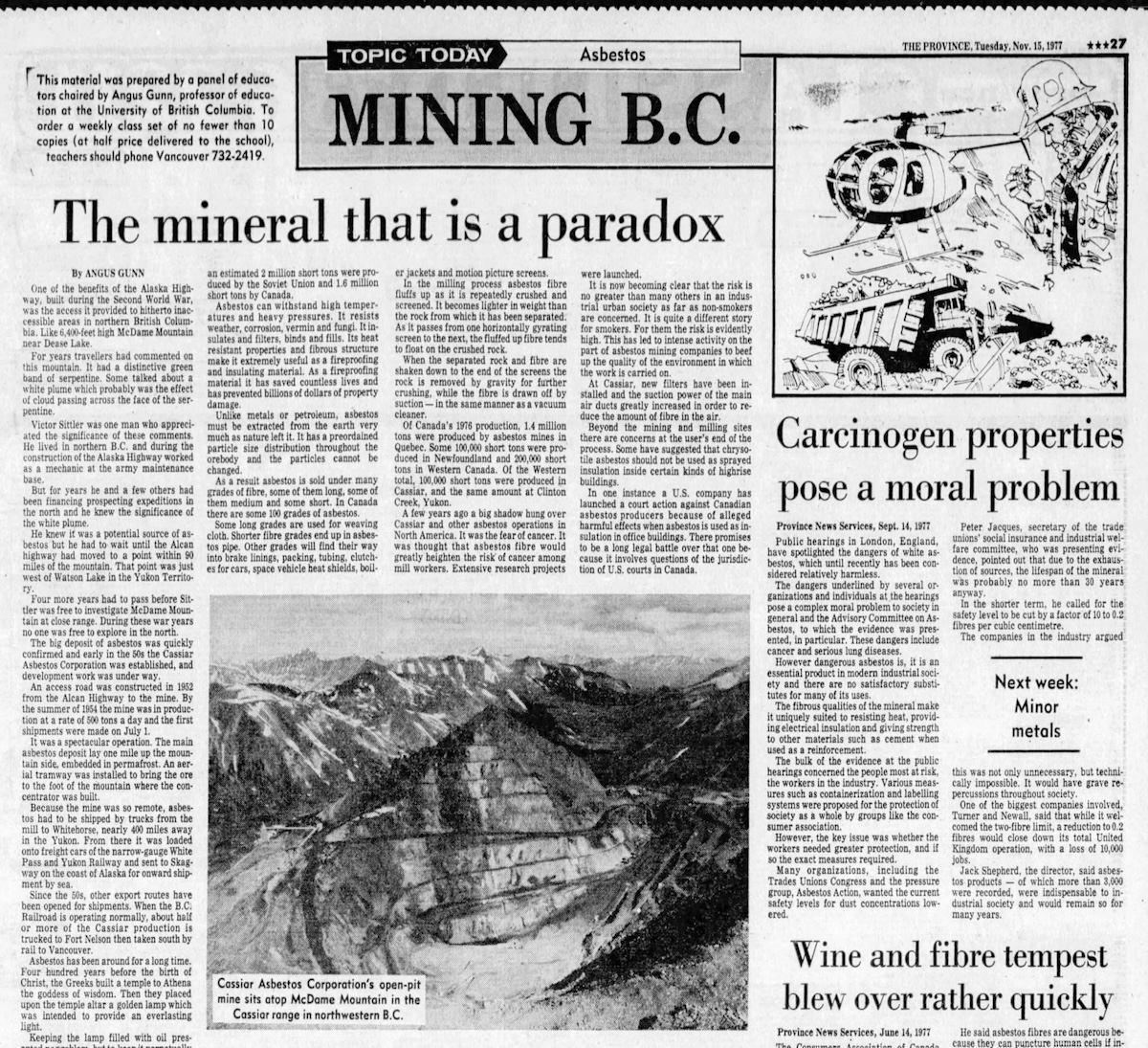
By the mid-1970s, the harms associated with asbestos were increasingly known and Cassiar was making the news as the mining company struggled to bring dust levels within legal limits.
“The publicity coming in every day about asbestos shows that this is a tremendous problem,” George Scott Wallace, the MLA for Oak Bay and also a physician, told his colleagues in the legislature in May 1975. “I think we should know if the workers are working beyond the safe level.”
They frequently were. Two years later, dust levels continued to exceed legal limits, the legislature heard. The company was spending “large sums of money” to improve air quality and had briefly shuttered operations in order to set up a new filtration system.
By July 1977, the government had struck a committee to track former workers and record their health outcomes. It included representatives from the company, the United Steelworkers union, the Workers’ Compensation Board and the ministries of mines, health and labour.
The committee would “find out where they are, if they have continued to work in fields related to asbestos and what their present condition is,” Labour Minister Louis Williams told the legislature.
Nearly 50 years later, it’s unclear what, if anything, became of those efforts. The provincial government, WorkSafeBC and the union all told The Tyee they had no record of the committee or its work.
Around the same time, the University of British Columbia began its own study into the health of Cassiar residents.
In 1977 and 1983, the UBC researchers performed tests, including chest X-rays and physical examinations, on more than 150 people. Subjects were divided into groups of long-term employees, more recent employees and residents living in the townsite. Workers who had spent more than five years working in the mill — where the asbestos dust was heaviest — formed a subset that was considered “high exposure.”
The research confirmed that the higher the exposure to asbestos dust, the greater the likelihood of symptoms like coughing, wheezing and breathlessness.
In 1977, nearly half of the highly exposed mill workers reported those symptoms. This group was also significantly more likely to develop reduced lung capacity and worsening health over the six-year study.
But the researchers faced barriers when they returned six years later. “The study was hampered to a large degree by the great mobility and high turnover rate at the worksite,” they wrote in their report.
Fragmented community makes tracking difficult
Efforts to track the health of workers at other asbestos mines have been more successful — but also faced fewer hurdles.
Paul Demers, a director at Ontario’s Occupational Cancer Research Centre and a professor of public health at the University of Toronto, worked on a registry for a similar mine in Newfoundland.
Established by Memorial University of Newfoundland, the Baie Verte Miners’ Registry is designed to support the compensation claims of former workers.
Baie Verte’s size was similar to Cassiar and its asbestos mine operated over roughly the same time period. But there was one major difference: the town still exists. People remained in the community, enabling researchers to get information from workers, the company and the union years after the mine closed.
“When a company closes and people scatter to the winds, it's almost impossible to do that,” Demers says.
The scattering of Cassiar residents and long latency periods between exposure and illness make it difficult to follow people and track their health outcomes, he says.
Demers led a recent study into geographical trends for mesothelioma in Ontario and British Columbia. He says the data showed “hot spots” around areas of asbestos-intensive industries, like shipbuilding or pulp mills.
But it also showed concentrations around retirement communities, Demers says — a likely reflection of the movements of former workers who left communities like Cassiar after their working years.
Preserving the memories of a ghost town and its residents
When Cassiar became a ghost town, the internet took the place of a physical meeting space.
Daum could be considered its virtual mayor.
For years, he operated a website that collected photos, memories and death notices from the community. The website created a historical record that was recognized with an award from the British Columbia Historical Federation in 2004.
Daum has since transitioned the site to a Facebook page. It provides a place for former residents to connect with old friends and swap stories about their time in Cassiar.
As page moderator, Daum runs a tight ship. There are strict rules against disparaging anyone in the group. He is also fiercely protective of the community that so many remember fondly.
“I don’t want to have the memories of Cassiar tarnished with the negative aspects of anything, including asbestos,” he says. “We’re here to celebrate life and the memories. If you’ve got something negative to say, keep it to yourself or say it elsewhere, just not in my group.”
Daum believes that most Cassiar residents haven’t suffered ill health effects from their exposure to asbestos.
“Fortunately, chrysotile is the least harmful variety of asbestos and Cassiar mined the highest quality of that in the world,” he says.
But, he adds, “I’m not saying there wasn’t any.”
The information collected by Daum has created an informal database. A review of nearly 500 death notices — a small sample of the 50,000 people who passed through the community — shows that some died tragically in work-related incidents or while exploring the surrounding mountains during their time in Cassiar.
Others moved on to other communities and later developed unrelated illnesses or simply died of old age.
But a striking number succumbed to cancer. A comparison with national averages shows that in Cassiar residents over 55, cancer deaths were overrepresented.
The most striking difference can be seen in the number of former Cassiar residents who died of cancer between the ages of 55 and 64. Among the 35 people from Cassiar between those ages whose deaths are known, cancer was cited in 71 per cent of cases. Countrywide, cancer killed 47 per cent of people between the ages of 55 and 64 in 2010.
Other older age cohorts also have more cancer deaths than the national average.
It’s an unscientific review with a small sample. The notices share that many also worked at other mines, like the Clinton Creek asbestos mine in the Yukon, or industries where they could have been exposed to asbestos and other environmental hazards elsewhere.
Fewer asbestos-related compensation claims than expected
Asbestos is the leading cause of workplace illness and death in B.C. Its use was fully banned in Canada in 2018, but its persistence in building materials, particularly insulation, is expected to continue exposing workers well into the future.
Over the past decade, WorkSafeBC has accepted an average of 55 asbestos-related workers’ compensation claims each year. Two years ago, B.C. became the first province in Canada to require workers who handle asbestos to undergo special training and contractors removing asbestos to be certified in the province.
But there are major information gaps when it comes to workers who were exposed to asbestos at the province’s only asbestos mine. After The Tyee filed a freedom of information request for the number of asbestos-related claims specific to Cassiar, WorkSafeBC said it has only ever received two claims relating to Cassiar — both dating back to the 1980s.
That figure doesn’t align with publicly available appeal decisions or information provided by former residents, several of whom told The Tyee they had filed claims over the past decade. They include Floyd Joseph, who shared paperwork showing WorkSafeBC denied his claim in 2015.
WorkSafeBC declined The Tyee’s requests for an interview.
In an email, it says its older records “were converted from paper records and many of the details were not input into WorkSafeBC's electronic claims management systems.” It didn’t provide an explanation for why more recent claims did not appear in its search for records.
Loftus, who says he has helped about nine former Cassiar residents file asbestos-related compensation claims, describes Cassiar as “WorkSafe’s best-kept secret.”
He says that as advocates pushed for an asbestos ban, they also asked the Canadian and B.C. governments to create a registry to document the locations of asbestos exposure and related diseases, which would have helped workers show occupational exposure and made filing claims easier.
But that has never happened.
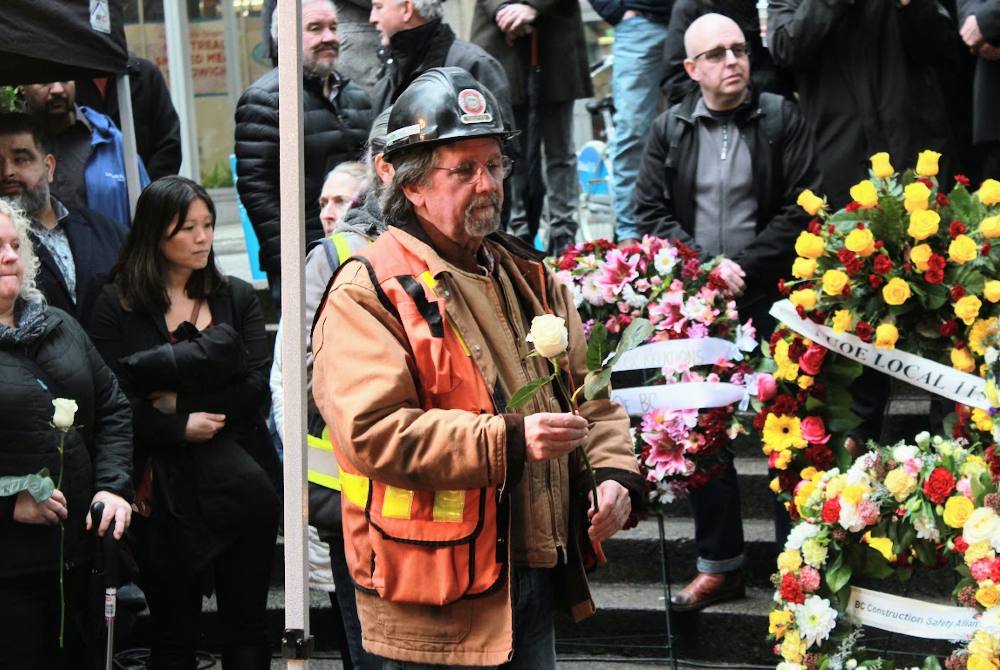
“Why would we not want to continue to gather this information and do better?” Loftus asks. “I don’t understand that.”
People in B.C. file compensation claims for asbestos exposure much less often than one would expect, given the number of asbestos-related illnesses in the province, researchers told The Tyee.
“Why are we not seeing them file a claim and getting the claim accepted?” asks Anya Keefe, an occupational and public health expert who previously worked with WorkSafeBC. “In an ideal world, there would be a system helping navigate these claims.”
Keefe offers advice to workers filing workers’ compensation claims and appeals, and she says the Workers’ Advisers Office can also offer support.
Experts who spoke with The Tyee say that some people faced with terminal illness may feel they don’t have the strength to file a claim. Loftus estimates that of the hundreds of people he has helped to file claims, nearly one-third abandon their claims due to failing health.
Others may have moved and filed claims in other provinces. A lack of information about past work history or unwillingness of doctors to link illnesses to asbestos exposure could also account for low claim numbers. A 2010 study found that patients thought filing a claim to be burdensome and bureaucratic, and that many relied on doctors to initiate the process.
The experts also speculated that a persistent belief among some former residents that Cassiar’s type of asbestos was not harmful could lead to fewer claims.
“Given the number of people that worked there, we would expect more asbestos-related disease,” McLeod says. “We might need to look at the reasons why people didn’t claim.”
Residents were exposed to ‘second-hand’ asbestos outside the workplace
Loftus was a third-generation professional insulator who began his career working with asbestos. But his asbestos exposure began even earlier.
“My first exposure started when my father would come home from work after spraying asbestos all day,” he says. He remembers insulation clinging to his father as the children raced to greet him.
“He would be brushing all the dust off of his hair and all off of his clothes and all over us,” he says. “Then he’d walk through the house with a cloud behind him to the laundry room and drop his clothes.”
Loftus has been diagnosed with asbestosis and other related respiratory conditions. His experience has made him a fierce advocate for workers’ safety, particularly when it comes to asbestos.
It also underscores the pervasive nature of asbestos.
While former workers at Cassiar’s mine can seek financial support through WorkSafeBC, those exposed in the course of their daily lives — including spouses exposed while doing laundry — are left with little recourse when faced with asbestos-related illnesses.
“After the town virtually shut down and the union went away, they had no place to go other than to seek counsel from lawyers, which is not always the best,” Loftus says.
While litigation is common in the United States, where dozens of asbestos companies that went bankrupt established trusts to pay out claims, in Canada it’s more common to seek workers’ compensation. When you apply for compensation, you waive your right to sue — and vice versa.
Loftus advises seeking workers’ compensation rather than litigation.
“This is not about winning a lottery,” he says. “It's about finding benefits and supports.”
But for thousands of Cassiar residents who were not exposed to asbestos directly through their work, that might not be possible.
When asbestos companies in the United States went bankrupt, many, like Johns-Manville, pooled their assets into trust funds meant to settle outstanding claims. The Manville Trust is among those still operating today.
But that never happened for Cassiar.
“I don’t think they had any money,” says Pat Byrne, an occupational hygiene expert who worked in WorkSafeBC’s legal department securing settlements from U.S. asbestos companies in the late 1980s and early ’90s. “Quite frankly, I think they just went bankrupt and had no assets.”
The end of Cassiar
In 1984, the B.C. government passed legislation meant to shield the owners of the Cassiar mine from judgments against asbestos companies made outside the province.
Asbestos manufacturers in the United States were frequently being sued and the companies were turning their attention to the source — seeking to get the mine to pay a portion of the damages. Vancouver-Point Grey MLA Garde Gardom told the legislature that “Cassiar could be exposed to closure” if B.C. didn’t find a way to prevent the lawsuits.
But the bill wasn’t enough to save Cassiar. The rising number of asbestos bans, plummeting demand and the company’s costly attempt to move the mine underground led to its closure.
In February 1992, the company, which had changed its name to Cassiar Mining Corp., declared bankruptcy. The mine was closed, and a receiver was appointed to preserve the company’s assets. In a letter dated Feb. 5, employees learned that their employment was immediately terminated.
According to court records, the province established a fund from the company’s assets and provided one-time payments to employees on the condition that they not sue the mining company over their termination.
No trust was established to pay out any future asbestos-related compensation claims from the Cassiar mine. Piece by piece, the town was dismantled, and its residents scattered. ![[Tyee]](/design-article.thetyee.ca/ui/img/yellowblob.png)
Read more: Health, Rights + Justice, Labour + Industry










Notice about commenting changes
The Tyee’s commenting system will be moving to a new platform on Nov. 12. If you’re already a Tyee commenter you must register with the new system on or after Nov. 12 with your preferred username.More information can be found here.