


 SHARE:
Throughout this past year of attending different performances, I noticed something. People are really into live shows.
It didn’t seem to matter if it was older art forms (opera, ballet) or more contemporary stuff, like electro musician Fred Again.
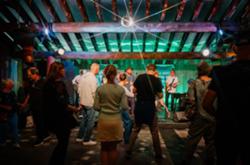
I didn’t attend Fred Again’s recent and much-hyped performance at the Vancouver Convention Centre last month, but my son Louis did, so I was treated to an exhaustive account of the songs played, the beats dropped and the crowd going wild. The fact that the show generated an online queue of well over 100,000 people is an indication that there’s a healthy appetite for the live experience.
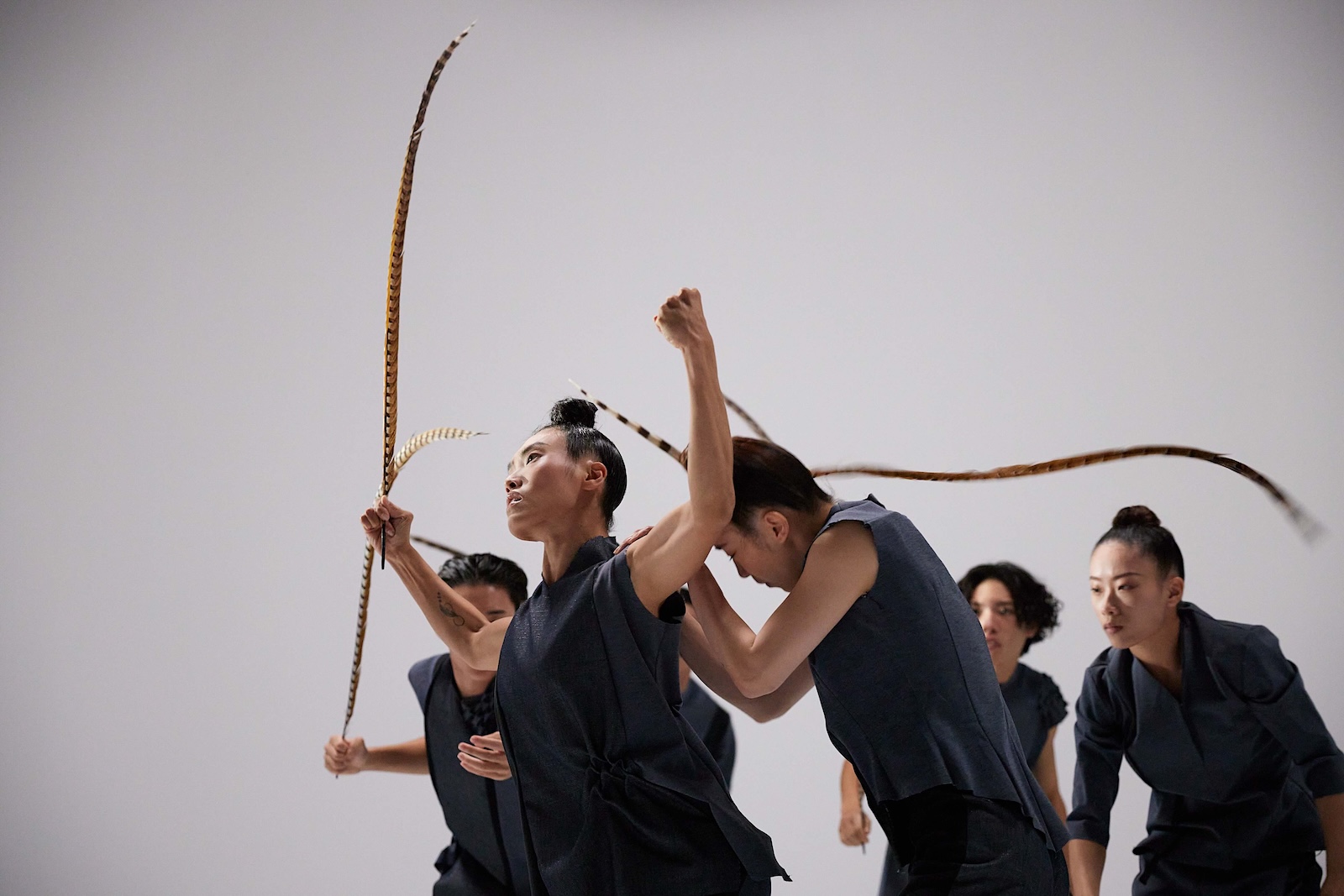
The same night that Fred Again’s thousands of fans packed together in a sweaty, dancing swarm for 3 1/2 hours, I was on the other side of town at the Vancouver Playhouse, and the 668-seat venue was full. It was DanceHouse’s opening-night presentation of Hung Dance’s Birdy. The Taiwanese-based company, under the direction of choreographer Lai Hung-Chung, uses pheasant tail feathers to address the cultural complexities, both past and present, of Taiwan.
When the lights went up after the performance, the crowd was instantly on its feet. There was a lovely moment when the audience could see how visibly emotional the dancers were about the reaction to the show.
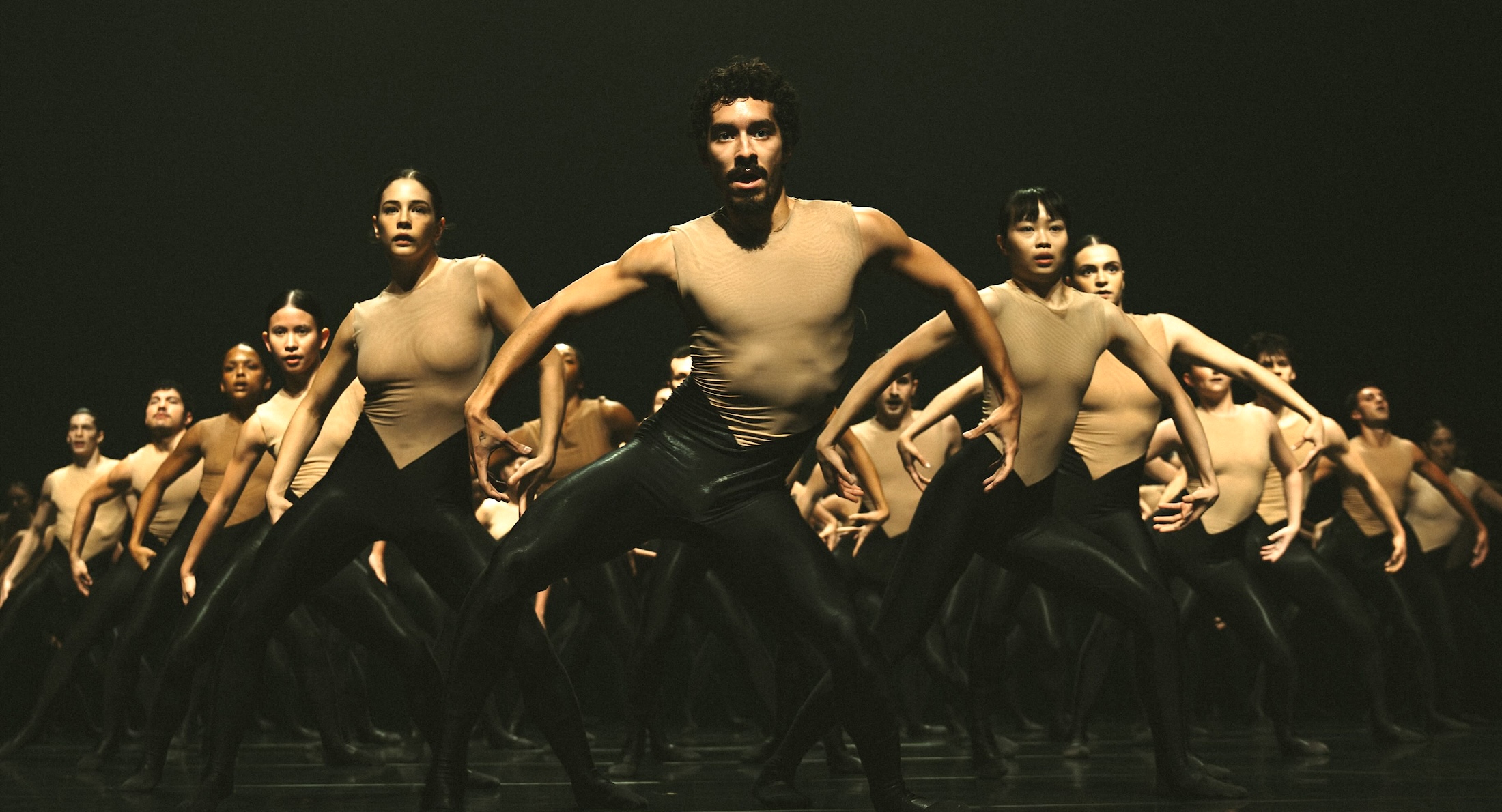
It was another reminder that great work can stop time and also set it ablaze. To wit: the electricity in the 2,675-seat Queen Elizabeth Theatre was positively galvanizing with the Ballet BC performance of Trilogy. The closing performance of Bolero X, featuring Shahar Binyamini’s choreography set to Ravel’s Boléro, brought on a moment of genuine catharsis.
Perhaps it had something to do with the hothouse eroticism of the choreography, or the rising cadences of Ravel’s composition. But by the climactic ending, the entire audience was acting in unison, a composite creature composed of thousands of hearts and minds and googly gonads.
The collective roar when the performance came to a final flourish was instantaneous and immediate.
Whether they’re old, young, middle-aged, it didn’t seem to matter — this year, audiences were out and about and clamouring for more.
Is there something in the air?
When in doubt, turn to Ethan Hawke
Having worked in the arts for my entire professional career, I can say that the mysteries of audiences, especially in notoriously flaky, last-minute Vancouver, have long been a source of consternation and confusion among festival organizers, arts programmers and event producers.
Despite all the efforts of social media managers, publicists and strategically placed bus ads, how many members of the public ultimately choose to attend a given event is something of a crapshoot.
Many times, in my work organizing everything from film festivals to contemporary dance, assumptions were turned decidedly on their heads. One event that I thought would have attracted robust patronage did just OK, while others went gangbusters for reasons I couldn’t quite understand.
This year, though, there seems to be a marked change in live audiences at cultural events. Across the many productions I’ve attended, from the opera to author readings, I’ve noticed that not only are performance venues thronged, but the people in attendance are super jazzed just to be there.
At a recent evening at the downtown branch of the Vancouver Public Library where I moderated a public talk with singer-songwriter and Great Big Sea co-founder Alan Doyle, the audience burst into song no less than three times. I don’t think I’ve ever seen that happen before. It was heartbreakingly sweet and oh so Canadian.
So, what’s with this new enthusiasm and sincerity?
Let’s ask actor Ethan Hawke. His assessment of AI as a giant plagiarism machine is bang on the money.
“I am so bored by AI,” he told CBS News Sunday Morning correspondent Tracy Smith earlier this month. “One thing I love about the theatre is that AI can’t do it.”
@cbssundaymorning Ethan Hawke tells @Tracy Smith that he’s “bored by AI,” saying he prefers real human connection. He calls AI a “plagiarizing mechanism” and jokes that while he knows it’s changing the world, he’s in “open rebellion” against it. #ai #ethanhawke #actor #cbssundaymorning #artificialintelligence ♬ original sound - CBS Sunday Morning
As Hawke quite rightly points out, compared with the literary or visual arts, the performing arts are proving harder nuts to crack, I mean, steal. No one wants to see robots dance or sing opera just yet.
While I share Hawke’s commitment to “open rebellion” against AI, I wonder if audience enthusiasm is more than just a reaction to digital plasticity, the dull and rubbishy desert that is streaming services like Netflix. Is something more fundamental taking place?
It’s clear that we need new and active means of addressing an increasingly AI-clotted, rotted world.
Culture might just be the best weapon at hand.
Presence is a virtue
Opera is famous for its legendary ovations. Tenor Plácido Domingo still holds the world record for receiving the longest standing ovation ever. His 1991 performance as the star in Giuseppe Verdi’s opera Otello produced a whopping 80-minute ovation, requiring 101 curtain calls.
Imagine clapping for close to an hour and a half. Imagine the motivation required to keep banging your hands together to express the right amount of gratitude and joy.
That is the true power of art. To fully understand it, you have to be present, body and soul.
At the Vancouver Convention Centre last month for the Fred Again concert, people were provided with stickers to place over the camera on their phones.
The idea was to encourage attendees to experience the show as it was happening, in real time — an interesting counterweight to how the artist himself told Vancouver fans, via Instagram, that he’d be making a surprise stop in their city.
Videos of shows are thin gruel indeed. What’s missing, like Hawke’s statement about live theatre, is the fullest scope of the show, the smell, the feel and the energy of other people.
Great performances can leave you with an indelible need to re-experience them in the flesh all over again. It’s an odd sensation, a kind of yearning, akin to homesickness.
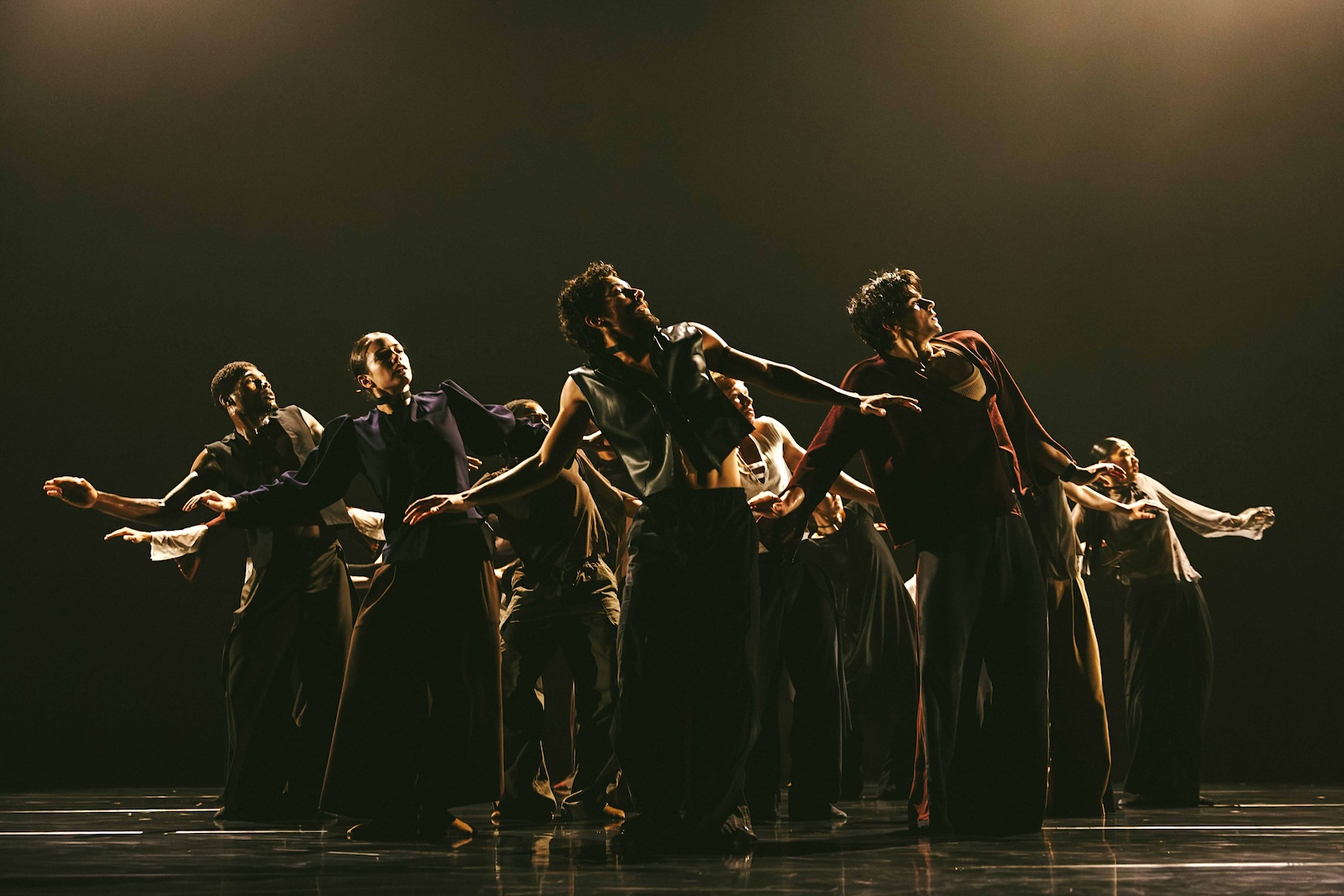
I still think about choreographer Hofesh Shechter’s Clowns. It’s been years since I saw it in Vancouver, courtesy again of the mighty DanceHouse. I would give my eye teeth to see it once more. These experiences and countless others reaffirmed my faith in the power that art has to interrupt the deadening stuff of everyday life and remind us that mysteries still abound.
Realness counts, still
Art as a conduit to the greater forces might seem a romantic notion, but the inert deadness of AI images is so obvious that even elementary school kids are using it as shorthand for fakeness and bullshit.
“That’s AI” is being used in derogatory fashion in the schoolyard to call out mendacity of any stripe. Go, kids!
In a similar fashion, AI-generated ads from McDonald’s and Coca-Cola this year were mercilessly decried by audiences for their plasticky fakeness and taken down.
The rejection of an increasingly disembodied digital world in favour of messy, corporeal reality seems, to me, to be a positive indication. But I wonder if it could point to something more, a vindication of the value of experiencing the world in a physical body.
I think about this a lot when drawing or painting. AI can generate disarmingly slick images, but beneath the smooth, prettified surface lurks the cold and implacable face of machinery at work.
It reminds me of the infamous episode of The Bionic Woman when she faced off against the fembots. In an epic fight sequence, the fembot’s blandly pretty visage is torn off, revealing the whirring, buzzing circuitry underneath.
The raw horror of this reveal has stayed with me through numerous iterations of the same idea, whether in The Terminator, Westworld or even Austin Powers.
The forces that guide our choices in consuming online content are not all that well hidden or subtle any longer. The bare face of the machine is right there, circuits ticking, spinning a tighter and tighter web, sticky and inescapable.
As arts continue to come under assault, whether it’s cuts to cultural programs in Vancouver or the Kennedy Center in the United States watching its reputation as a premier venue spiral face first into the dirt, the true cost of this kind of attrition becomes increasingly clear.
Mistakes are a bulwark against AI fakery
Cities are cool places to be because of culture. Without it, they’re simply loud, crowded and a little gross.
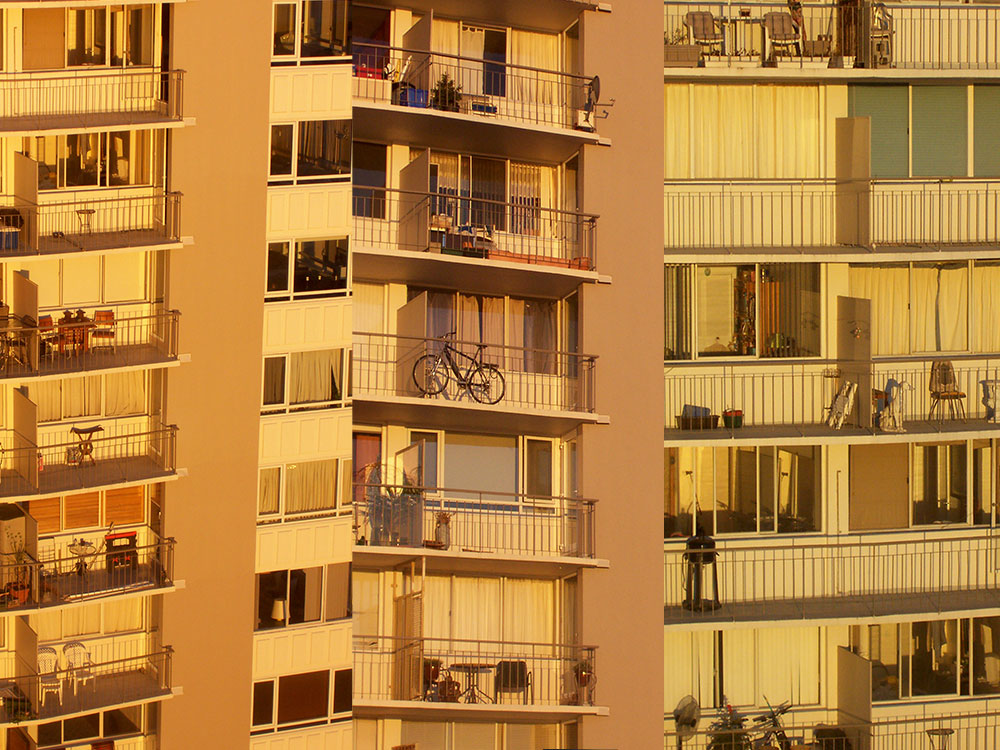
Occasionally, I think about what Vancouver will be like 20 or 30 years into the future, an echoing forest of empty condominium towers, with people wandering the streets in search of anything to mitigate, mediate, explicate the state of the world.
The generations who remember the world prior to the internet are slowly fading away, winking out. As AI threatens not just the arts but higher learning, it brings on questions about why we do anything at all.
Jane Jacobs’ 2004 book Dark Age Ahead tracks the implications of this generational loss of knowledge. She writes: “A society must be self-aware. Any culture that jettisons the values that have given it competence, adaptability and identity becomes weak and hollow.”
And the implications are profound. Whether you’re writing a university essay or marking one, painting a picture or learning a song, the point of doing things is just that: doing them, with all the imperfections, the wobbly lines and missteps; they are the very stuff that makes us human.
The Latin phrase dulcius ex asperis means “sweeter after difficulties”; it isn’t hard to see where the word “exasperated” originated. Anyone who has ever struggled to master an art form knows the experience of wishing to throw the tools of your chosen craft right out the window.
In the landmark exhibition of Canadian painter Tom Thomson’s work at the Audain Art Museum, one painting of an innocent-looking still life of flowers carried a savage X inscribed right in its centre. When I saw that, I thought, “I feel you, Tom. I really do.”
Sometimes when I am feeling down and dejected, I remember that even the greatest of the greats make a hash of things. Mistakes are what make for new things to emerge.
While the AI plagiarists are busily consuming and regurgitating reality into slick fakery, remember you’re not a machine. Allow yourself to fuck things up. Create a giant mess of paint, muck about with clay, learn some new dance steps, noodle about with a guitar.
Go see live performances — it doesn’t matter if it’s freaky deaky contemporary dance or La bohème. Just be in this world, and marvel at its magnificence, its beauty and strangeness, diversity and wonder. Take it all in. ![[Tyee]](/design-article.thetyee.ca/ui/img/yellowblob.png)
Read more: Media, Science + Tech







Notice about commenting changes
The Tyee’s commenting system will be moving to a new platform on Nov. 12. If you’re already a Tyee commenter you must register with the new system on or after Nov. 12 with your preferred username.More information can be found here.