

 SHARE:
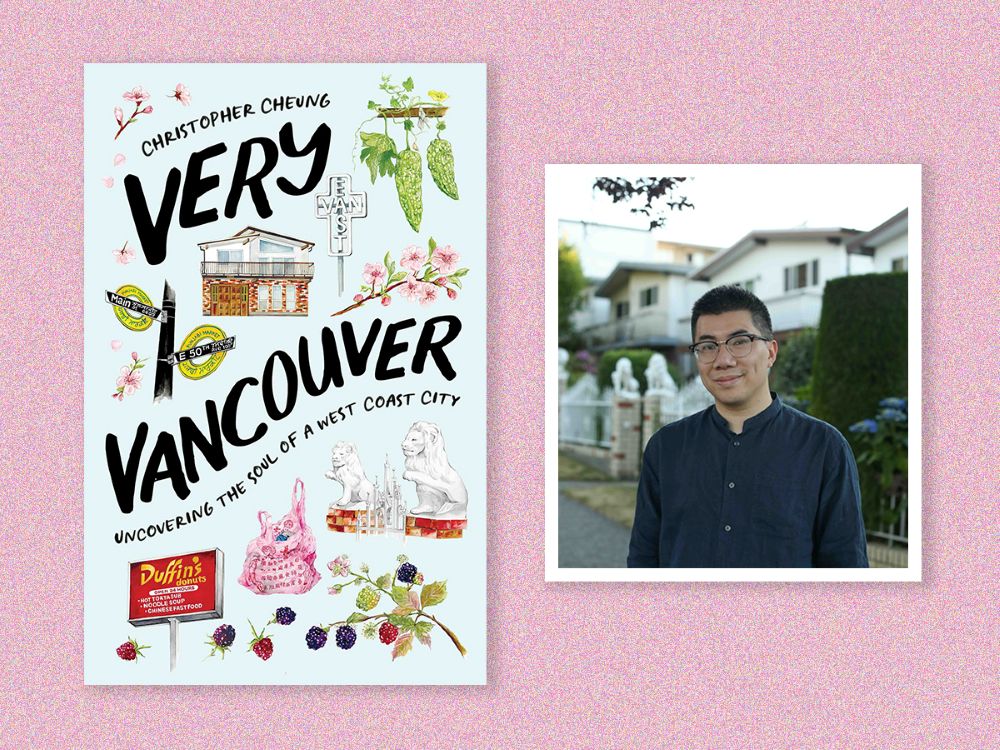
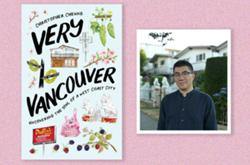
Very Vancouver: Uncovering the Soul of a West Coast City
Christopher Cheung
ECW Press (2026)
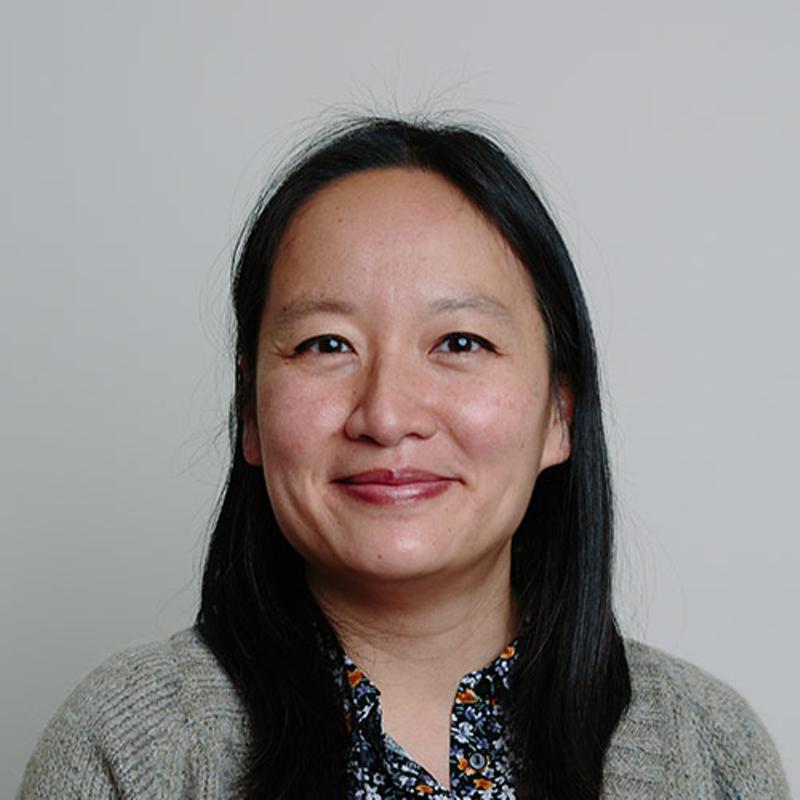
To know Christopher Cheung is to have several inside jokes on the burner at all times, and to bear witness to the depth of care he invests in his relationships, whether at work, at home or in the wider world. He carries himself with a gentle humbleness that belies his reputation as one of the most beloved and widely read journalists in the city.
Two years ago when he published his first book, Under the White Gaze: Solving the Problem of Race and Representation in Canadian Journalism, his launch party was packed to the brim. Several overlapping circles of readers and friends who considered themselves members of the “Chris Cheung fan club” filled the Lido in Mount Pleasant alongside a boisterous crowd of local journalists, editors, book publishing folk and, near the sheet cake, his family.
“Ah! A friend from work! You’ve been with Chris every step of the way,” his uncle told me fondly at another full-house event at the Vancouver Public Library later that fall. “We are very proud.”

Cheung published his first story with The Tyee as a practicum student in 2015, and was a staff reporter here, covering urban change, until 2025. His Tyee reporting on how working-class immigrant communities were disproportionately impacted by the COVID-19 pandemic won a 2021 Jack Webster Award. His 2021 essay on the lack of meaningful ethnic and cultural representation in Canadian media won him the Dalton Camp Award for best essay. His 2023 “Fresh off the Shelf” series won a Canadian Ethnic Media Association award, and his 2023 feature about a family reunion marking seven generations of the Yip family in Chinatown won Gold at the 2024 Digital Publishing Awards.
Now a journalism instructor at the British Columbia Institute of Technology, Cheung is publishing his second book, Very Vancouver: Uncovering the Soul of a West Coast City through ECW Press on Aug. 6.
Spanning neighbourhoods, generations and migration histories, Very Vancouver challenges and transcends a crowded non-fiction subgenre of books about the city by inviting readers to consider who gets left out of the stories Vancouver tells about itself, and why.
Cheung expands upon his previous reporting on the political mysteries of “Baklava man,” the refugee journey of the couple behind Duffin’s Donuts and the immigrant families powering Vancouver’s local food systems and intergenerational housing landscape in Very Vancouver. He also weaves memoir of a decade working in journalism across the book.
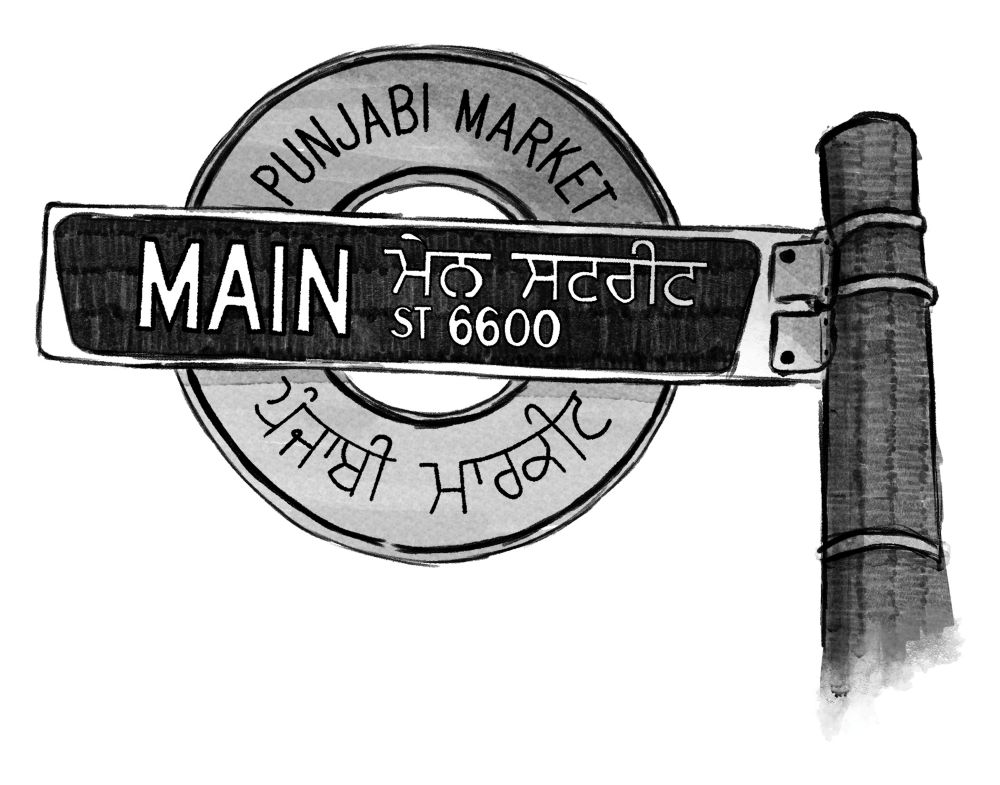
“Everybody has their own version of Vancouver. But which is the version of Vancouver that gets portrayed the most in media, or gets portrayed the most in books?” Cheung asked during a recent video call, talking about the book.
Whether you’re a reader who grew up in Vancouver, who has visited only a few times or is looking in from the outside, “I hope that you’ll be able to find something interesting in this book. Or feel challenged to be able to see a side of the city that you probably wouldn’t get in more promotional materials about the city,” Cheung said.
Cheung, who was the first member of his family to be born in Canada, grew up in the 1990s and early 2000s in a blue house on Ontario Street, which borders the city’s east and west sides.
He recalls media portrayals in those years of the east side as a dangerous part of town where racialized gangsters ruled the streets. “I was really shocked to see the Globe and Mail talking about South Asian gangs in such a disparaging way,” he said.
On the other hand, there was what he describes as a “weird aspirational quality” associated with Vancouver’s west side, home to prestigious schools that local families bragged about.
In his work as a journalist, Cheung could ask, “Well, is this true? Who gets to tell stories about this place?”
“There are a lot of different divides that I explore in this book.”
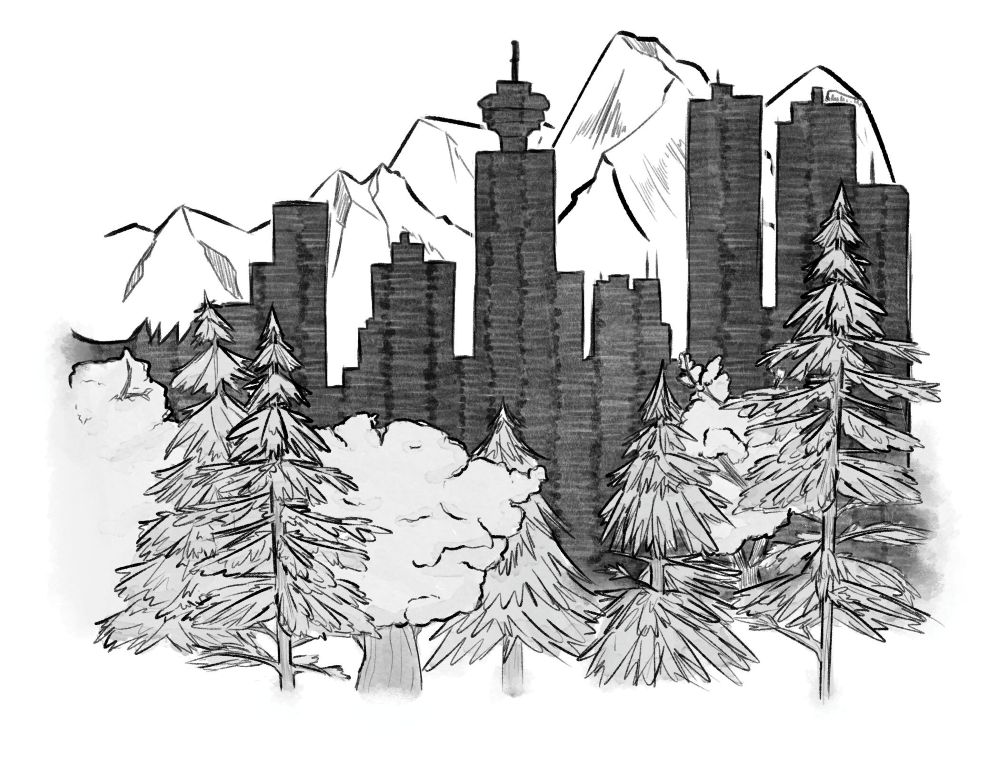
A vital exploration of class, race and power
Very Vancouver is an immersive exploration of how class, race and power shape a city. We learn of the members of the Filipino community who attend Sunday mass at St. Mary’s Parish in East Vancouver, many of whom are frontline workers.
Father Pierre Leblond speaks of how parishioners in his confession booth would tell him stories of exploitation and isolation, inspiring him to start a migrant ministry that drew visitors from as far away as the Fraser Valley and Squamish.
“They would come sometimes and speak of their terrible situations: abuse by their employers, no days off, employers taking their passports or papers,” Leblond told Cheung. “And they were not allowed to use the phone, so they could not reach out for help.”
An undercurrent of sadness marbles the book. There is grief for the extraordinary losses and sacrifices that people have endured to make a living in Vancouver. And grief for a rapidly changing media ecosystem that is choking out local news and making it harder to hold power to account, and harder to make the time required to build relationships with marginalized sources.
There is also grief for the racism that people face across the city.
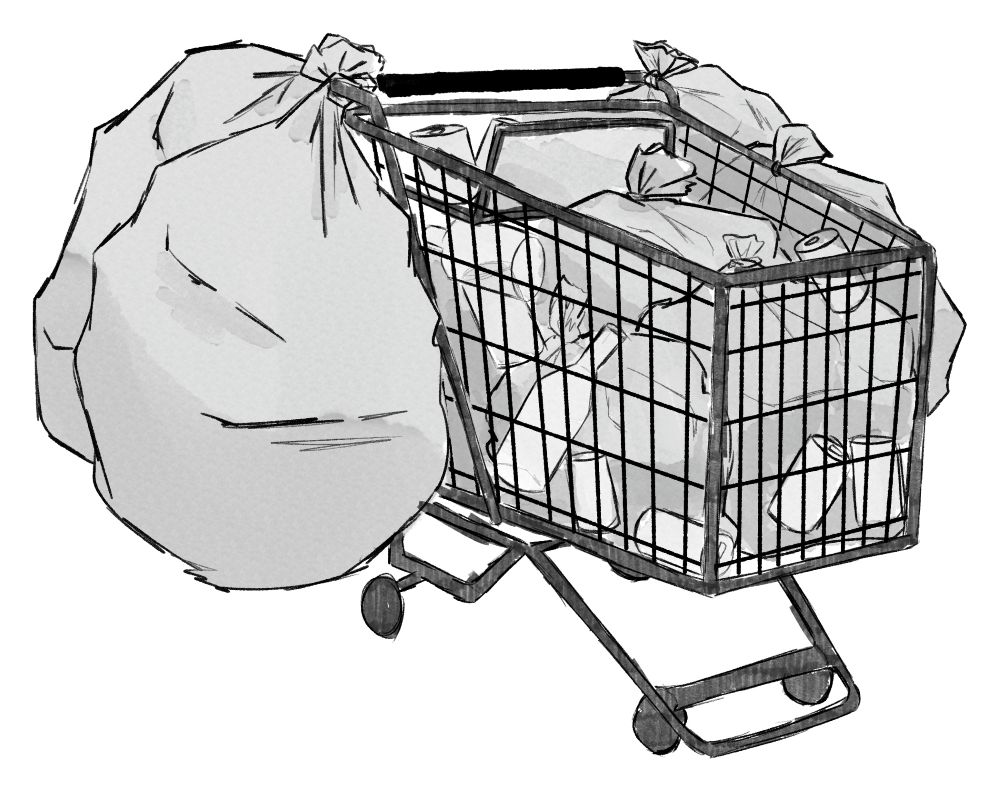
One instance at a bottle depot stops Cheung in his tracks.
“I was shocked. I was angry. I was ashamed for being so disarmed. I felt guilty for not acting when I should’ve been the stronger party,” Cheung writes.
“I turned to her with the blankest of expressions, my heart racing, and tears in my eyes.”
But there are also beautiful moments of tenderness. Cheung writes of the romantic entanglements that carried people across oceans, and the extraordinary leaps of faith made possible by relational ties.
And we also see the quiet, informal networks of care that are key to survival. Down the block from St. Mary’s, Bennet Miemban-Ganata works the counter at Plato Filipino, a carinderia serving Filipino soul food.
Not only is she familiar with the regulars, but she lets them to drop off their kids in the restaurant while they work a four-hour shift. “This is a place where they can discuss anything and pour their heart out,” Miemban-Ganata tells Cheung.
“That connection brings ease to the sadness of being away from family, of being tired from work. There are some who work two or three jobs. It gives them happiness to see that they are not alone.”
We don’t always talk about how people make ends meet here, Cheung said in our interview. “What are the sacrifices that they make? And those come in a lot of different forms. It might be paying way more than they can afford. It might be sacrificing relationships. It might be sacrificing their body in some way.”
He hopes, in his writing, to challenge a tendency in journalism to romanticize stories like these, which contributes to an unhelpful immigrant exceptionalism that valorizes hard work without an honest acknowledgement of what it costs families and individuals.
“It’s like, ‘Oh my god, he never takes a break.’ Or ‘How cute, this family gets to work together,’” he said.
“But we don’t get to hear, at the end of the day, what they are going home to.”
Many of the stories in Very Vancouver are the outcome of the years Cheung has spent building relationships with people unaccustomed to seeing themselves in the news or believing that their realities are worth writing about.
The investment of time and care that Cheung brings to his work is increasingly rare in our contemporary media landscape.
There’s a memorable scene in the book where he stands in an empty Vancouver Sun newsroom after a series of buyouts and layoffs were announced in 2017. He is there to deliver a small gift of solidarity from local journalists who chipped in to buy drinks for the departing staff.
Cheung contemplates this and other industry changes he’s witnessed in the last decade as a reporter. Two of the local news outlets where he got his start are now closed.
He worries about the loss of institutional knowledge and accountability that results from such losses.
“We have a phrase to describe the new media reality that we’re all caught up in: we all have to churn out content to ‘feed the beast,’” he writes.
“I can only hope that journalists and audiences won’t forget to slow down.” ![[Tyee]](/design-article.thetyee.ca/ui/img/yellowblob.png)
Read more: Books


Tyee Commenting Guidelines
Please note that email notifications for replies are not currently working due to a software issue which may be resolved in a future update.
Comments that violate guidelines risk being deleted, and violations may result in a temporary or permanent user ban. Maintain the spirit of good conversation to stay in the discussion and be patient with moderators. Comments are reviewed regularly but not in real time.
Do:
Do not: