

 SHARE:
In the Ktunaxa language, the black bears that roam freely in the mountains and valleys within their territory are called nupqu. They come out of hibernation in the spring in search of fresh grasses, plants and food such as elderberries, which are native to their territory. Most black bears rely on these native plants for their diet.
But that food source is susceptible to industrial development, which is a major economic driver in the region. In parts of the province such as Ktunaxa traditional territory in southeastern B.C., open-pit metal and coal mining have scarred ecosystems, affected water quality and introduced invasive species that harm habitat and native plants that bears and other wildlife may rely on.
The upside? B.C.’s reclamation laws require mines to restore sites after exploration and development have come to an end.
In a fertile valley north of Cranbrook, the Ktunaxa Nation has come up with a solution that provides benefits to the local economy while reclaiming green spaces in its territory.
Since 2020, Nupqu, Canada’s largest Indigenous-led plant nursery, has distributed about 700,000 seedlings a year at reclamation sites and conservation lands in the Southern Rocky Mountain Trench, replenishing mountainsides that have been altered, or are in the midst of being altered, by development.
“We're looking to do progressive reclamation as land is disturbed, or looking to restore as we go,” says Aaron Higgs, Nupqu’s president. “All of that is conducive to the utilization of native plants and incorporating those into those systems.”
Black bears and Tupperware
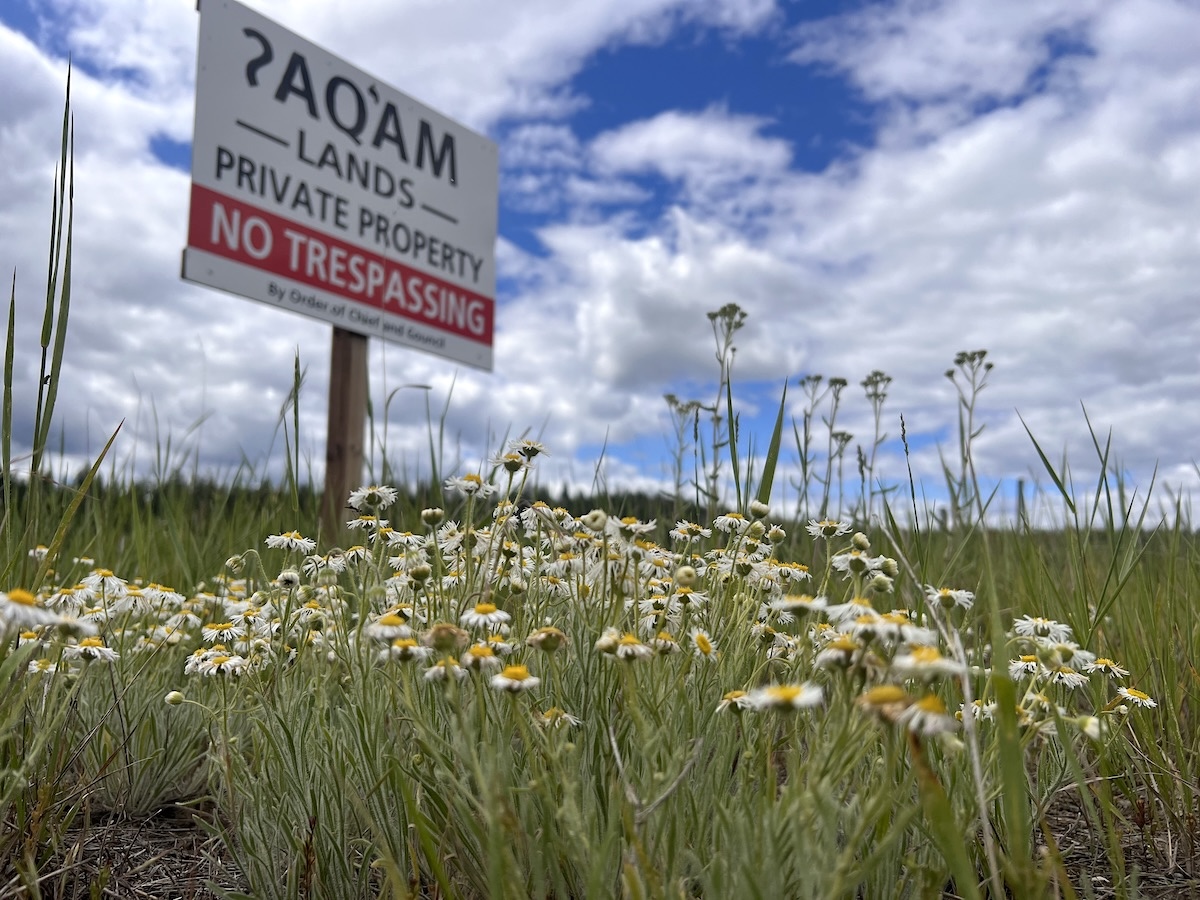
The Nupqu (“NOOP-koo”) native plant nursery, which is located on ʔaq̓am land, between Cranbrook and Kimberley, started operations during the height of the COVID-19 pandemic.
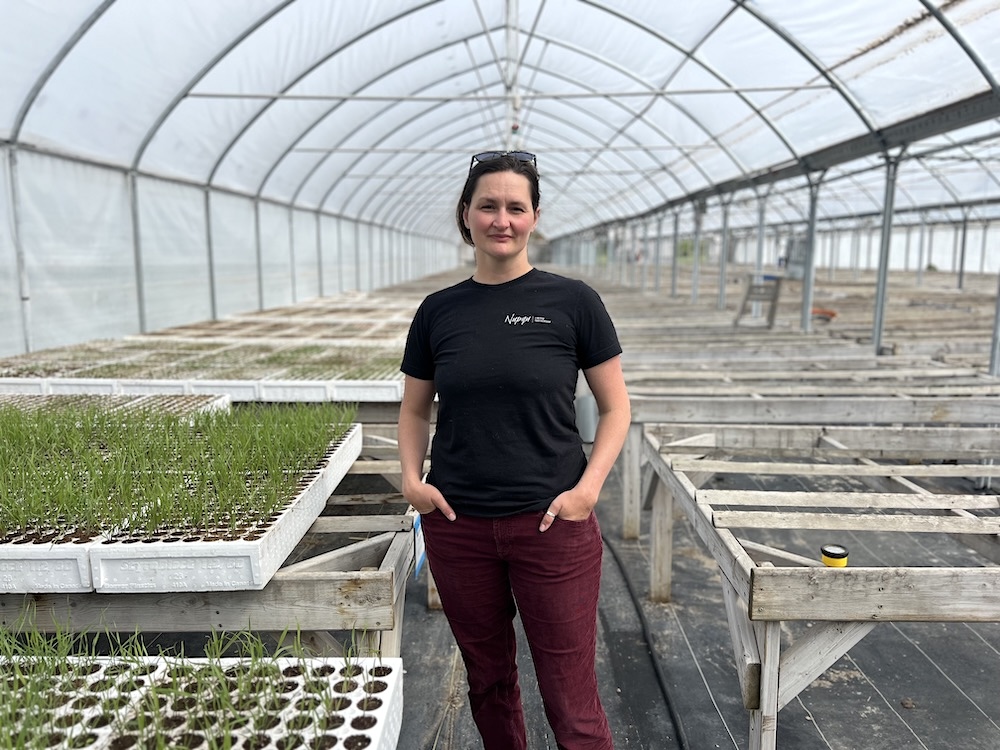
It has since expanded from a small nursery that grew a few different varieties of forest understorey plants into a hub for native seedlings spanning grasses, shrubs and herbaceous flowering plants. The work is aimed at restoring ecosystems and wildlife habitat that’s been disturbed by industrial development. Today, it employs 15 people.
Nupqu grows between 60 and 80 native species per year, including yarrow, red osier dogwood, rosy pussytoes, black huckleberry, Rocky Mountain juniper and shrubby penstemon. Then there are the grasses: the rough and Idaho fescues, blue and Alaska wildryes and June grass.
All species are located within a large walk-in refrigerator, dubbed the “seed bank,” that houses thousands of seeds in neatly labelled Tupperware containers.
Seed collecting in the region kicks off in April and goes until November, or until the snow gets too deep. Each plant has a different seed harvest time window.
After seeds are collected, they’re brought back to the lab to be “cleaned,” a labour-intensive process that removes excess plant and soil material. Then, the seeds are stratified — meaning refrigerated for several weeks or months to simulate winter, or other conditions necessary for them to germinate — tested for germination rate, stored and, if ordered and ready, planted into an appropriately sized Styrofoam tray.
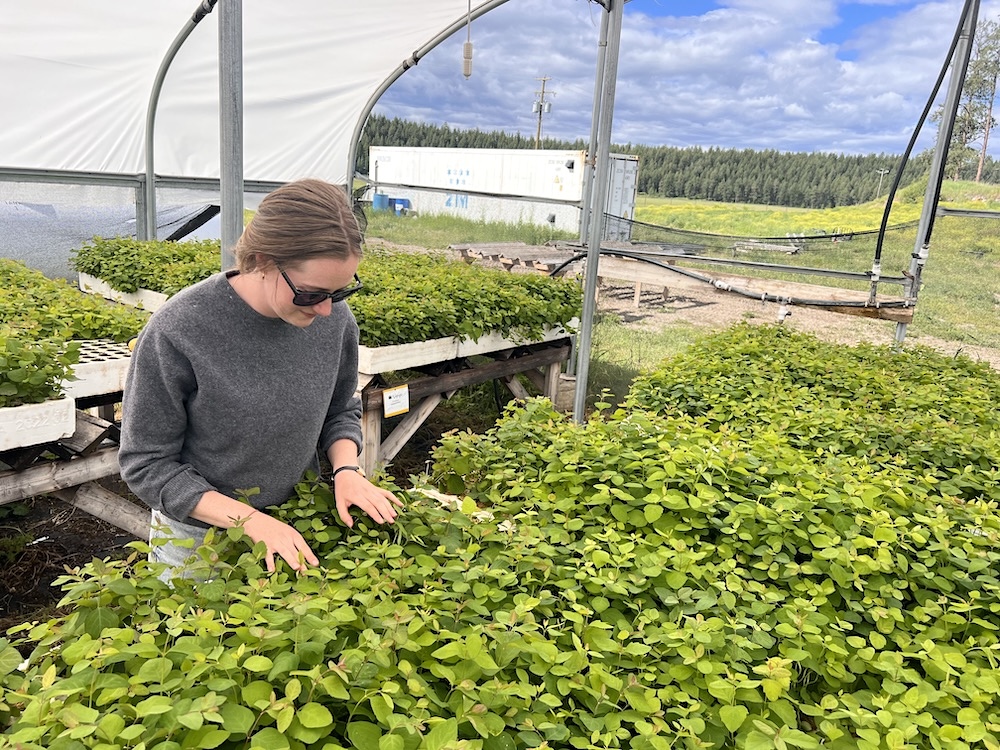
After they’re ready to leave the lab, they spend their time growing at the nursery in one of several large greenhouses on the ʔaq̓am reserve.
“It’s a huge amount of planning,” says Sarah McLeod, the nursery’s seed co-ordinator. “As we’re wrapping up testing and storage from the previous year, we’ll start looking ahead at what we’re collecting in the coming season.”
It all starts with a seed
Inside the lab, McLeod sifts through a large metal bowl filled with deseeded cottonwood fluff.
The tiny, two-millimetre-long seeds of British Columbia’s largest floodplain-loving native broadleaf tree, the cottonwood — Populus balsamifera ssp. trichocarpa in Latin, kanuǂmaquǂaqpiʔk in Ktunaxa — nestle inside green, globular capsules resembling capers, with a dozen or so capsules attached to stems.
From late May to mid-July, the waxy capsule scales crack open, revealing and then releasing snowy, seed-containing fluff looking for a moist patch of soil. If you have a trained field crew, a brown paper bag and a modified shop vac on hand, you can collect some seeds for yourself. Just remember to put them in the freezer when you’re done.
“Cottonwood, trembling aspen and willows are all species that have a live embryo and need to be frozen to stay viable,” McLeod says.
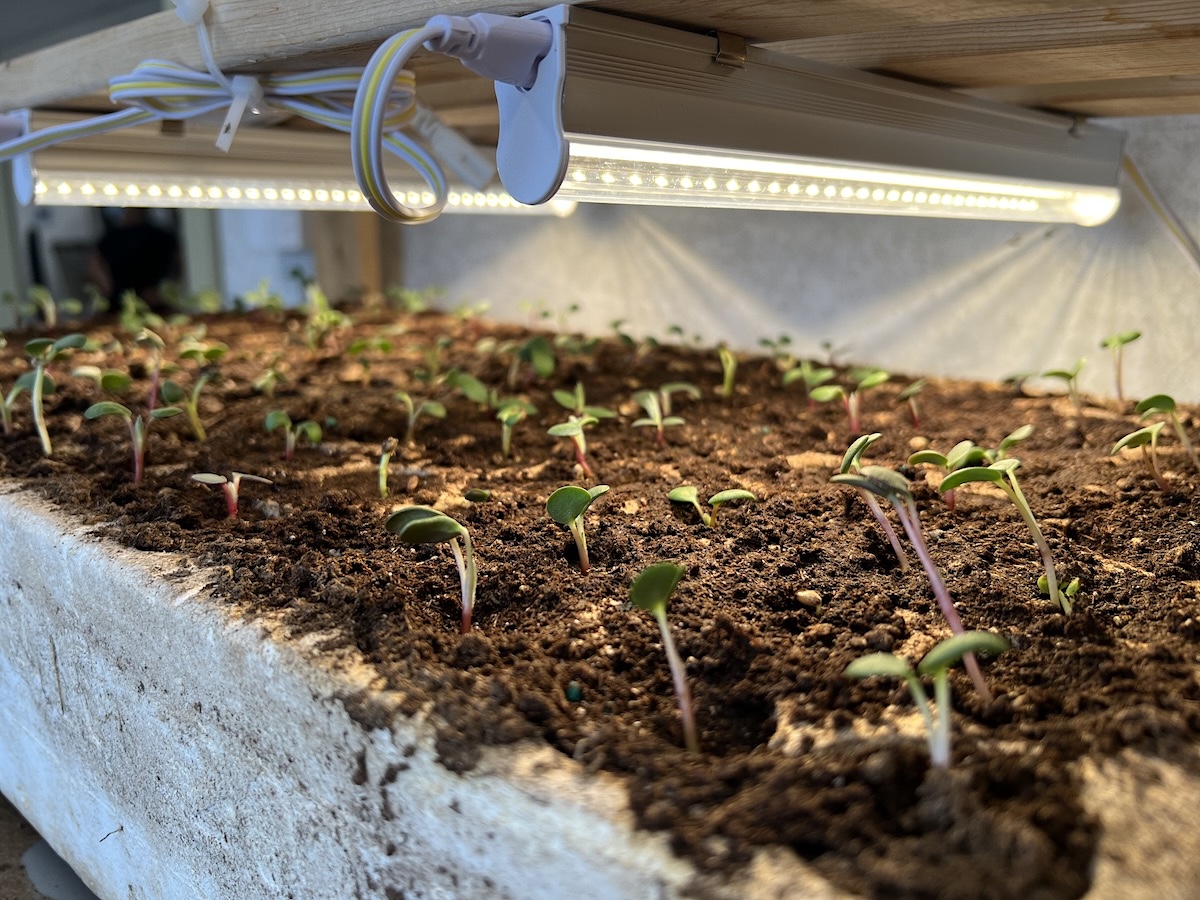
Growing native plants is much more than restoration for the nursery. It’s also about changing how people understand ecosystems, challenging misconceptions about reclamation and demonstrating the value of biodiversity on the landscape.
The process of engaging with the life cycles of native plants in the wild is important in steering the nursery away from “the agricultural mindset of monoculture” and mass production, which limits and controls the genetics of plants, according to Melanie Redman, the nursery’s operations manager.
Working up close with the landscape also offers windows into how regrowth after industrial development, or a wildfire, is supporting biodiversity and wildlife. From afar, if it's green and sprouting with grass, you might believe the land is bouncing back. “But if you don’t know that that’s an invasive grass and it’s one species and provides nothing other than bank stabilization, there’s no ecosystem; there’s no food source,” Redman says.
In addition to propagating and growing native seedlings, Nupqu also works directly with clients to help them prepare reclamation plans.
Since launching, the company has worked with Elk Valley Resources and TC Energy, among other resource companies, provincial departments such as the Ministry of Forests, regional conservation groups and other B.C. First Nations.
“We see the demand increasing,” Higgs says. “With more planning and some awareness, you can have better results and actually bring down costs.” Replanting can be expensive when newly established plants are repeatedly damaged by hungry deer and elk. So, Nupqu advocates for a more proactive approach with clients that focuses on planting a diversity of species — such as soapberry and rabbitbrush — with aromas that can deter browsing ungulates.
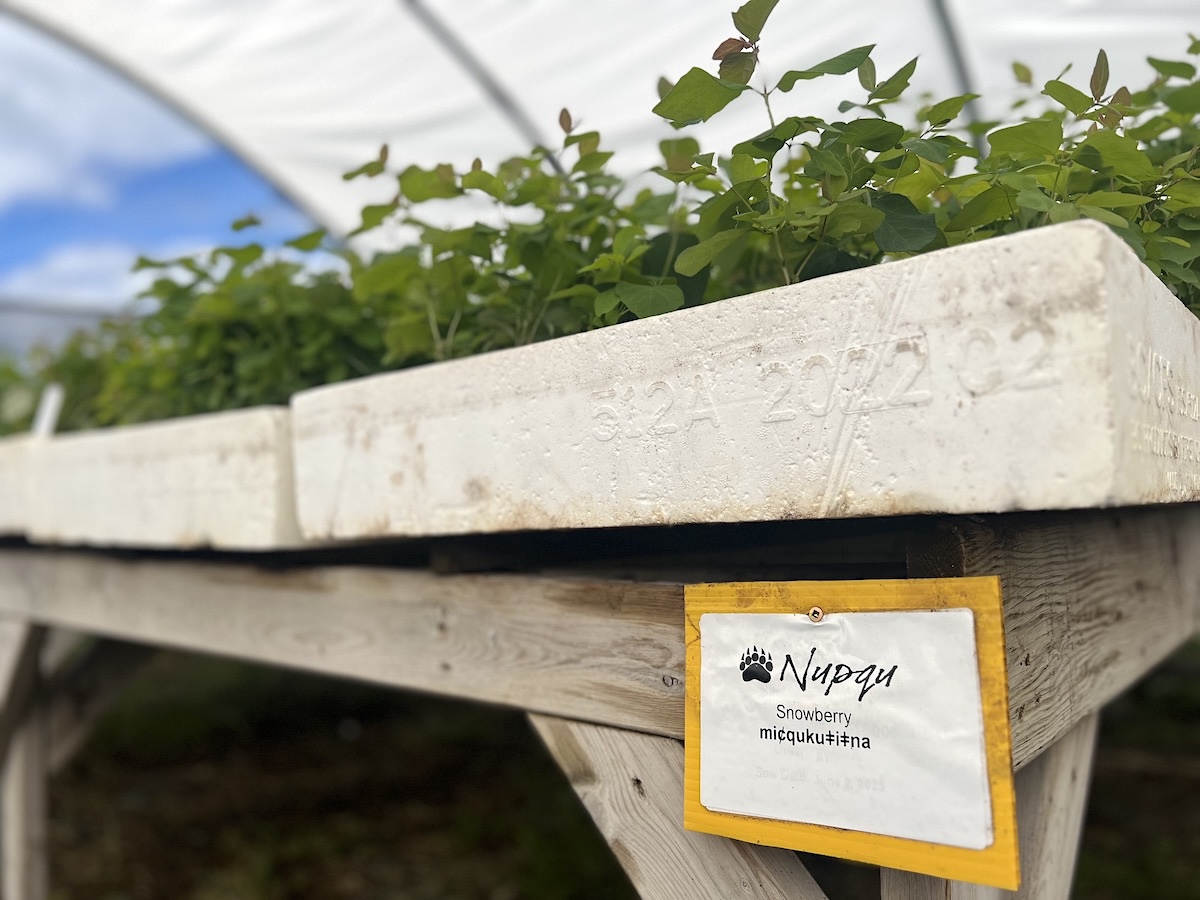
Snowberry is among the most popular native plants cultivated at Nupqu — it’s hardy in cold weather, and animals such as deer and sheep tend to avoid snacking on its leaves. But its berry crop is also sparse, and each berry has only two seeds — one that’s viable and one that’s not.
It’s also one of the most difficult and costly plants to grow.
Germination rates for native plants depend on the species and can vary widely, anywhere from 10 to 90 per cent. Snowberry’s rate is considered low by native plant nurseries across the province.
“Their typical germ rate is 35 per cent,” says Redman.
Nupqu is one of the few nurseries in B.C. to successfully grow snowberry, which is called mi¢qukuǂiǂna (“mitch-koo-koo-tlee-than”) in Ktunaxa.
Nupqu collects snowberry seeds in the spring, then carefully stratifies them and stores them for one to two years before planting. The nursery typically sells 2,000 to 10,000 snowberry seedlings annually, with each plug selling for about $5.
Depending on the client, site and time of year, Nupqu’s recommendations to clients vary.
On reclamation sites, Nupqu advocates planting saponin-rich species, such as soapberry and silverberry, to enhance fire resistance. They also recommend the widespread cultivation of wild strawberries and nitrogen-fixing plants such as alder and silky lupines, aiding soil health and ensuring other plants have a chance to take root.
At conservation sites, where nutrient-rich soil and understorey grasses and plants are already established, the prescription plans and goals may differ. Nupqu suggests selecting native flora that can outlast vigorous invasives.
Growing the business alongside the plants
Within the last year, Nupqu has built a new office and doubled the number of people on its seed crew.
Seed collection and cleaning, plant propagation, and training contracts make up 98 per cent of its annual revenue.
Beyond growing and looking after its seedlings, however, the success of the nursery depends on a couple of factors outside its control: regulatory hiccups, funding cuts and the plant literacy of project managers.
The recently axed Two Billion Trees program, for example, supported a wide range of restoration programs across Canada, including at the Nupqu nursery. More than $3 billion was allocated to the program back in 2019. But the federal government struggled to hit its planting targets and dropped the goal.
The funding cut was a bitter seed to swallow for Higgs, who believes the government should take some responsibility to protect seed funding, which supports the development of new plants.
“We’re still a business; we have a board to report to. We can’t do work for free,” Higgs says.
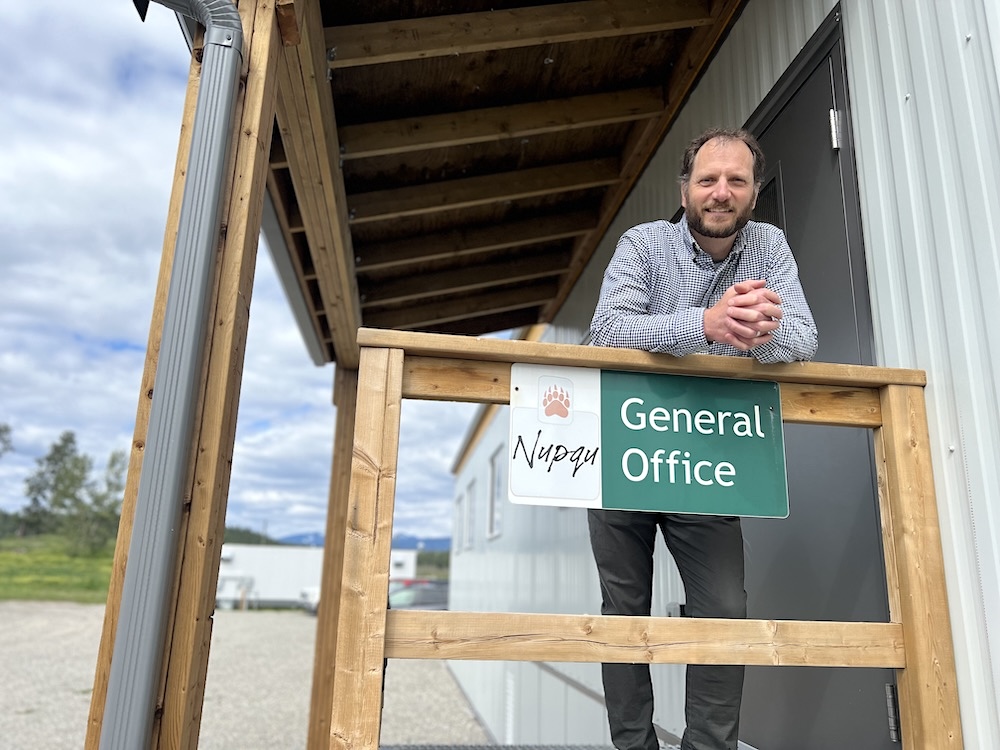
Aside from Ktunaxa, the Osoyoos Indian Band recently launched its own tree nursery focused on reforesting areas affected by wildfires. The nation was one of 10 First Nations communities to receive funding from the Two Billion Trees program before it was cancelled. The Secwépemc and Líl̓wat nations and Shackan Indian Band all also received funding.
Part of Nupqu’s mission has been fostering community relationships with industry, government and other First Nations communities. Nupqu shares its knowledge and resources with other nations across the province through tailored training, webinars and partnerships, among many other ways, with the hope of getting more Indigenous people familiar with native plants.
“That nation representation of the land is so perfectly aligned with the needs of the plants,” Redman says. “We are constantly just making space for it. It's a big priority for us long-term.”
There’s a growing sense, at least on the ʔaq̓am reserve, that a new Indigenous-led approach to restoration in British Columbia is emerging. Higgs has high hopes for a replanting and reclamation sector that is stewarded by Indigenous Peoples.
“It really makes sense to have a major player be the Indigenous nations,” Higgs says. “They should be the ones that are leading it.”
This article runs in a section of The Tyee called ‘What Works: The Business of a Healthy Bioregion,’ where you’ll find profiles of people creating the low-carbon, regenerative economy we need from Alaska to central California. Find out more about this project and its funders, Magic Canoe and the Salmon Nation Trust. ![[Tyee]](/design-article.thetyee.ca/ui/img/yellowblob.png)
Read more: Indigenous, Environment



Tyee Commenting Guidelines
Please note that email notifications for replies are not currently working due to a software issue which may be resolved in a future update.
Comments that violate guidelines risk being deleted, and violations may result in a temporary or permanent user ban. Maintain the spirit of good conversation to stay in the discussion and be patient with moderators. Comments are reviewed regularly but not in real time.
Do:
Do not: