


 SHARE:
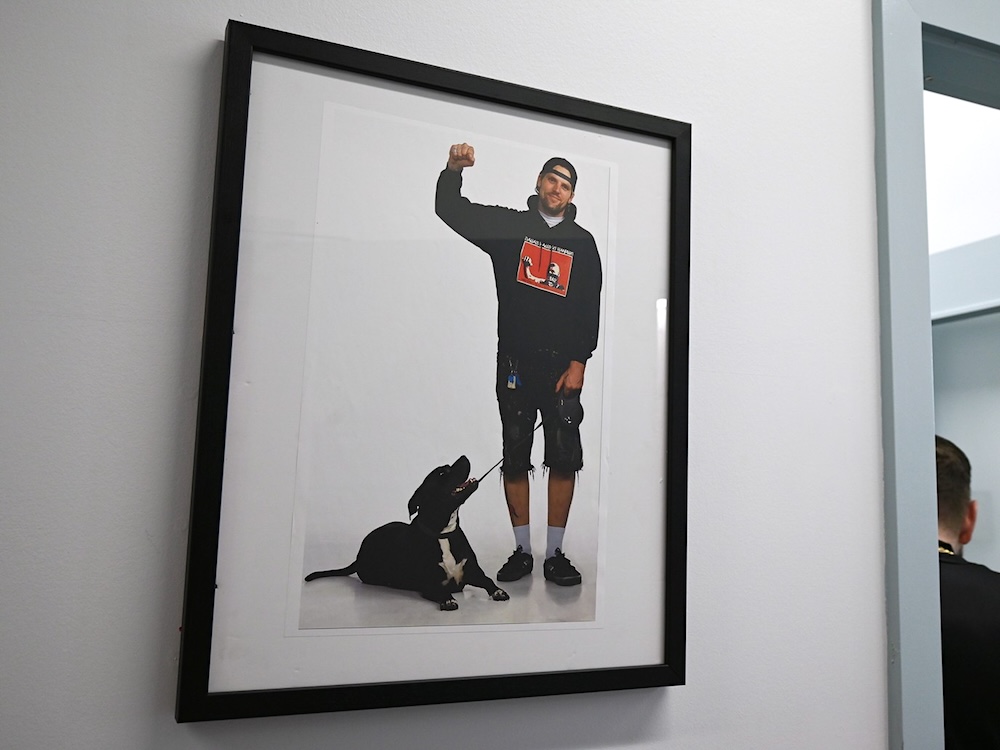
A new recovery resource centre is opening in the Downtown Eastside in honour of the late community pillar Trey Helten.
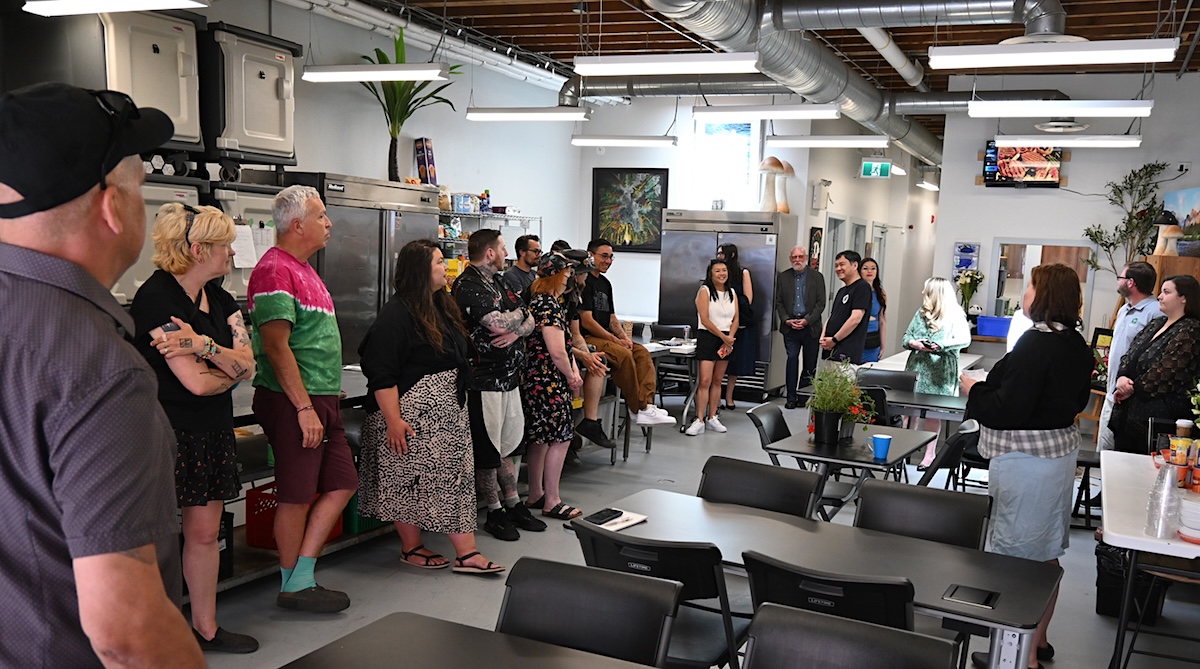
The Ashtrey will open its doors July 6 as a full-service day centre at 450 E. Hastings St. The centre will offer food programs seven days a week from 9 a.m. to 11 a.m. and stay open until 8 p.m. for recovery meetings.
Helten was a tireless advocate who believed everyone was capable of turning their life around. He worked to meet people where they were at, and to connect them to services such as treatment and recovery. Helten died last year at 42 years old. Ashtrey was his nickname.
The Ashtrey will continue Helten’s work by offering low-barrier services ranging from showers and access to laundry and food hampers and accelerated access to detox and recovery services.
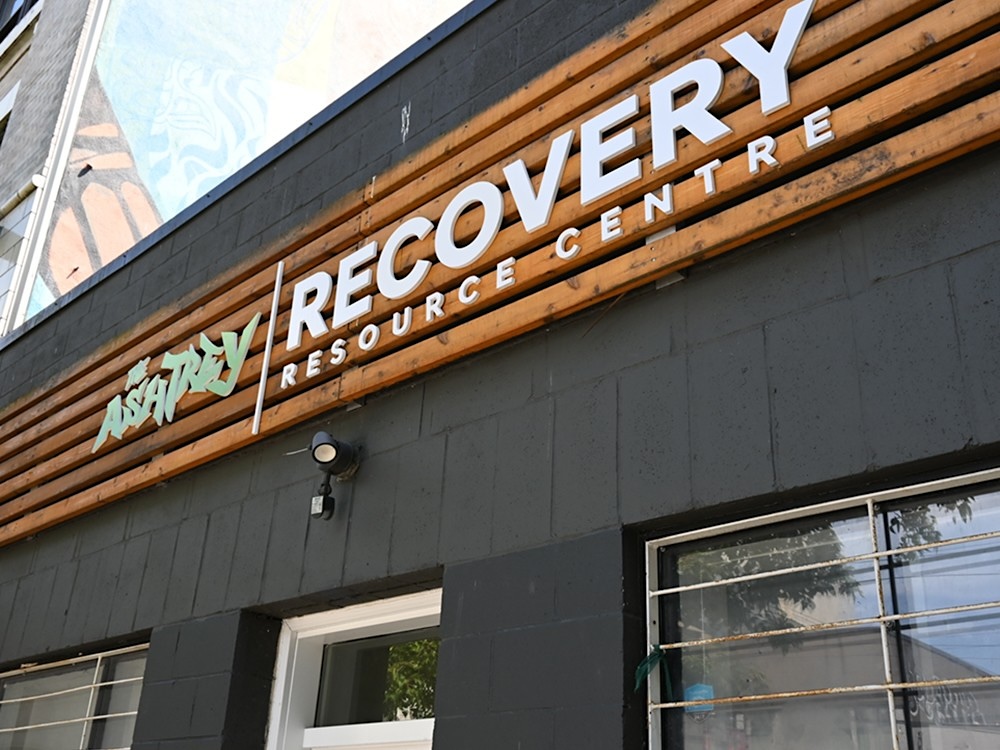
Sobriety is not required to access the centre, although recovery will be prioritized, said executive director and founder Sarah Blyth.
Blyth was a close friend of Helten’s who worked closely with him for years at the Overdose Prevention Society.
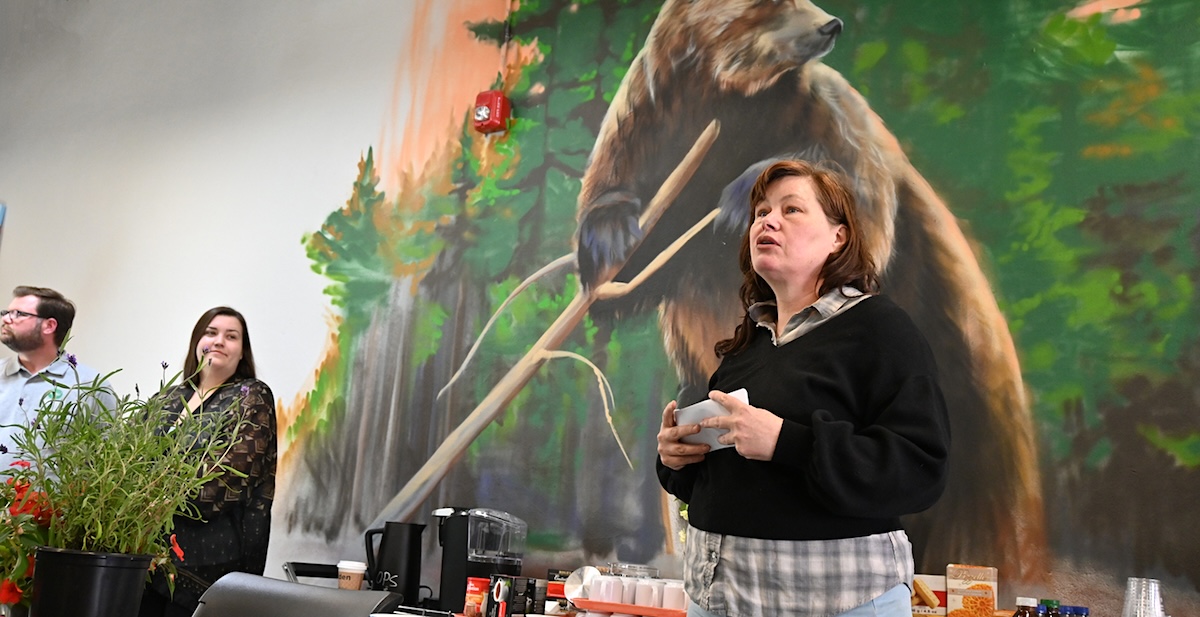
“It’s sad to not have Trey here, but at the same time I know he’d be happy that we kept working towards helping people get into recovery or getting people off the street into a place where they can get a shower,” Blyth said on Tuesday during a site tour.
“We’re just trying to continue to help people on the frontlines and make sure that folks aren’t slipping through the cracks and get access to the services they need,” she added.
The Ashtrey will employ recovery navigators to help connect people with services and programs along their entire recovery journey.
The recovery navigators also advocate to Vancouver Coastal Health Authority to improve access to recovery programs and assist in navigating any conflicts that arise, to help keep people in recovery programs, Blyth said.
Thanks to grant funding from Hockey Helps the Homeless in partnership with the Overdose Prevention Society, people who access the Ashtrey will also have immediate access to a dedicated recovery bed at Together We Can, a recovery centre in Vancouver.
Through the bed, people will be able to access Together We Can’s 90-day program. Graduates can access continued supports through their sober living network, said Steven Hall, director of fund development and engagement for the organization.
On-demand services are a big deal because many people have to wait for weeks to access detox services and during that time can change their mind, said Hali Hoben, a recovery navigator and SMART facilitator at the Ashtrey. SMART Recovery uses cognitive behavioural therapy and rational emotive behaviour therapy to help people change how they think and act while helping build community, said Celina Alec, a recovery navigator and SMART facilitator.
The Ashtrey will have daily space for Alcoholics Anonymous, Narcotics Anonymous and SMART Recovery meetings.
SMART Recovery meets people where they’re at, whether they’re in the process of quitting or maintaining sobriety, Hoben said. The program has been running for about six months, and some people have come to every meeting, he added.
Blyth said people like Alec and Hoben, who both recently completed recovery programs, are “the best people to teach people how to get into recovery.”
They can speak personally about what it was like to use drugs and stop using drugs and what some of the complications were, she said, adding, “They walk down the street and they inspire everyone.”
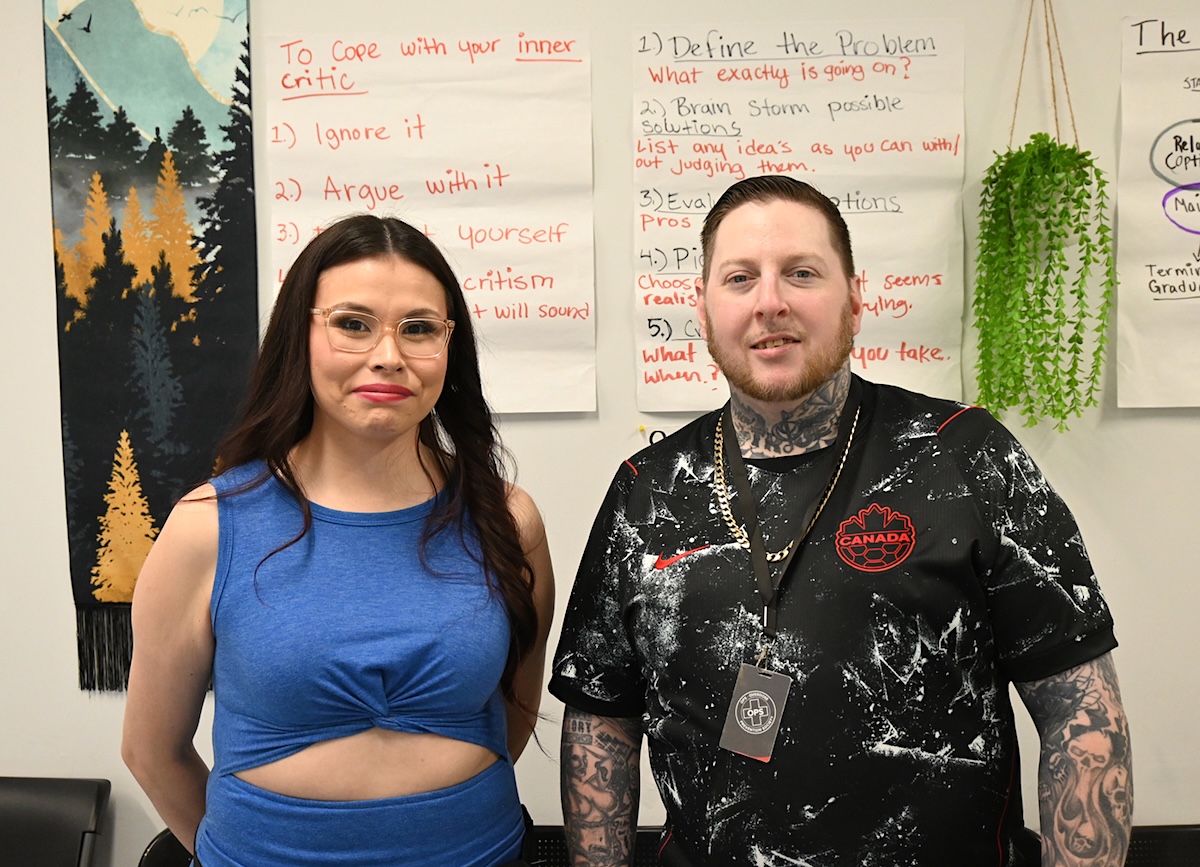
The Ashtrey will employ people from the Downtown Eastside who have gone through treatment and recovery. All staff will receive extensive training in first aid, overdose response and mental health emergency response.
It’s common for people to access services and then ask for work, Blyth said, so she works on being able to offer low-barrier employment. Ideally people can go through the recovery process and come out the other side with work experience and a resumé, she added.
The day shelter helps get people off the street and gives them a place to cool off in the summer and warm up in the winter, Blyth said. There are washrooms, Wi-Fi, art programs, wheelchair-accessible showers and laundry so people can wash and dry their clothes in the winter.
There is currently no kitchen at the Ashtrey, so food made on site will be limited to snacks, soup and sandwiches, said Evan Reeks, operations manager for the DTES Emergency Supply Hub. Reeks will be co-managing the Ashtrey.
Reeks said that for now hot meals will be served thanks to partnerships with Kílala Lelum and Dudes Club, but they’re looking for their own space to have a kitchen.
The centre is 100 per cent funded through annual provincial grants, Blyth said, adding that it would be nice to one day have dedicated funding.
Former senator and Vancouver mayor Larry Campbell also attended Tuesday’s site tour. He’s been working as a provincial adviser in the Downtown Eastside since last September and says the main problem with the neighbourhood is poverty.
“The vast majority of people here are simply poor,” he told The Tyee. “They’re working poor. They have families. A minority of them are suffering from mental health, suffering from addiction, suffering from brain damage from the toxic drug supply.”
The neighbourhood was also heavily affected by the closing of Riverview, the cessation of government construction of rental housing in 1993, the introduction of fentanyl into the unregulated drug supply, and the COVID-19 pandemic, he added.
Services like those the Ashtrey offers help improve the health of the neighbourhood by offering a place people can use as their living room, rather than needing to rely on being outside on Hastings Street, he said.
And once they’re in the front door, a pathway to recovery, however winding, is laid out for them.
Campbell said it’s important for the general public to be patient, because solutions take time.
Improving the Downtown Eastside neighbourhood will require government investment in affordable housing, mental health and living wages, he said.
“It’s going to be a process, but we can’t just give up. I mean, we can just give up — but nobody really wants that.” ![[Tyee]](/design-article.thetyee.ca/ui/img/yellowblob.png)
Read more: Health











Tyee Commenting Guidelines
Please note that email notifications for replies are not currently working due to a software issue which may be resolved in a future update.
Comments that violate guidelines risk being deleted, and violations may result in a temporary or permanent user ban. Maintain the spirit of good conversation to stay in the discussion and be patient with moderators. Comments are reviewed regularly but not in real time.
Do:
Do not: