

 SHARE:
Art is a job.
Although audiences have been trained to think of artists as singular genius types, with everyone beholden to their vision, being an artist actually requires that you work well with others. Before an exhibition can come into being, the number of people needed to create and mount it is considerable: artists, assistants, framers, installers, curators, writers, gallery workers, all engaged in the collaborative effort of showing art.
Three different exhibitions in Vancouver demonstrate these circles of creation, presentation and reception. It’s an ever-widening loop, moving out from the central idea, sweeping along different folks, before coming full circle in the eyes and minds of an audience.
Tania Willard, Photolithics
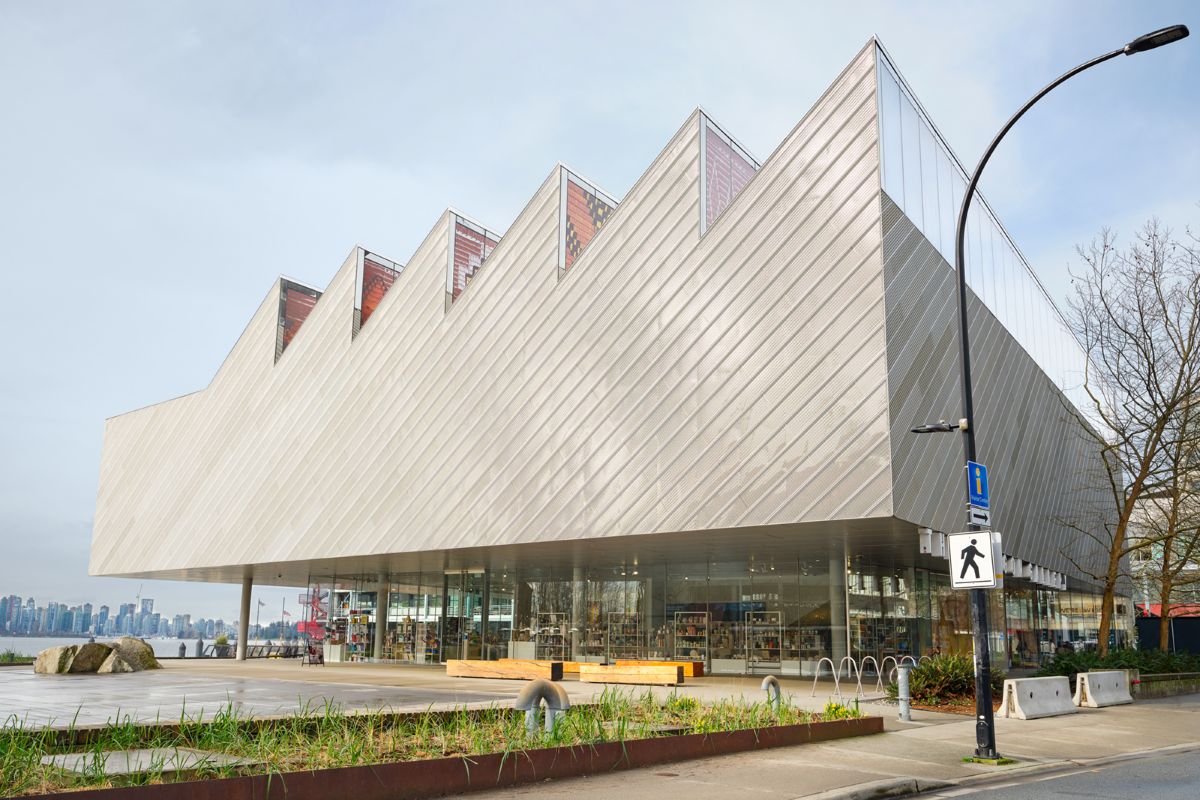
At the Polygon Gallery in North Vancouver, Photolithics, Tania Willard’s largest solo exhibition to date, is well underway. In addition to her work as an artist, Willard is also a curator, a scholar and director of the University of British Columbia’s Morris and Helen Belkin Gallery. If that isn’t enough, she is also the recipient of the 2025 Sobey Art Award.
As Polygon’s curator Monika Szewczyk explained at the media preview of the show, Willard’s first exhibition after winning the Sobey Prize in 2025 took place at the Polygon Gallery. So, it seems only right that an expansive presentation of her work should find a home here.
On a grey rainy morning in North Vancouver, the collection of images and installations that comprise Photolithics makes the weather seem lighter than it is. I keep thinking that the sun has come out, but it’s the art that is radiant. The title of the show, a neologism that encompasses the terms for light and stone, deftly alludes to the span of Willard’s subject matter. Ancient and weighted with history — but also ephemeral, bright and moving with airy ease.
Drawing on her mixed Secwépemc and settler-Scottish ancestry, Willard makes the fullest use of the gallery space, floor to ceiling, whether that means letting sunlight through the skylight windows, or the blocks of colour, painted on the walls, that are meant to drive your view upwards. The window coverings, called Safelight, inspired by traditional Salish basketmaking, change the very nature of the gallery, filtering and softening the light so that it feels like a gentle embrace.
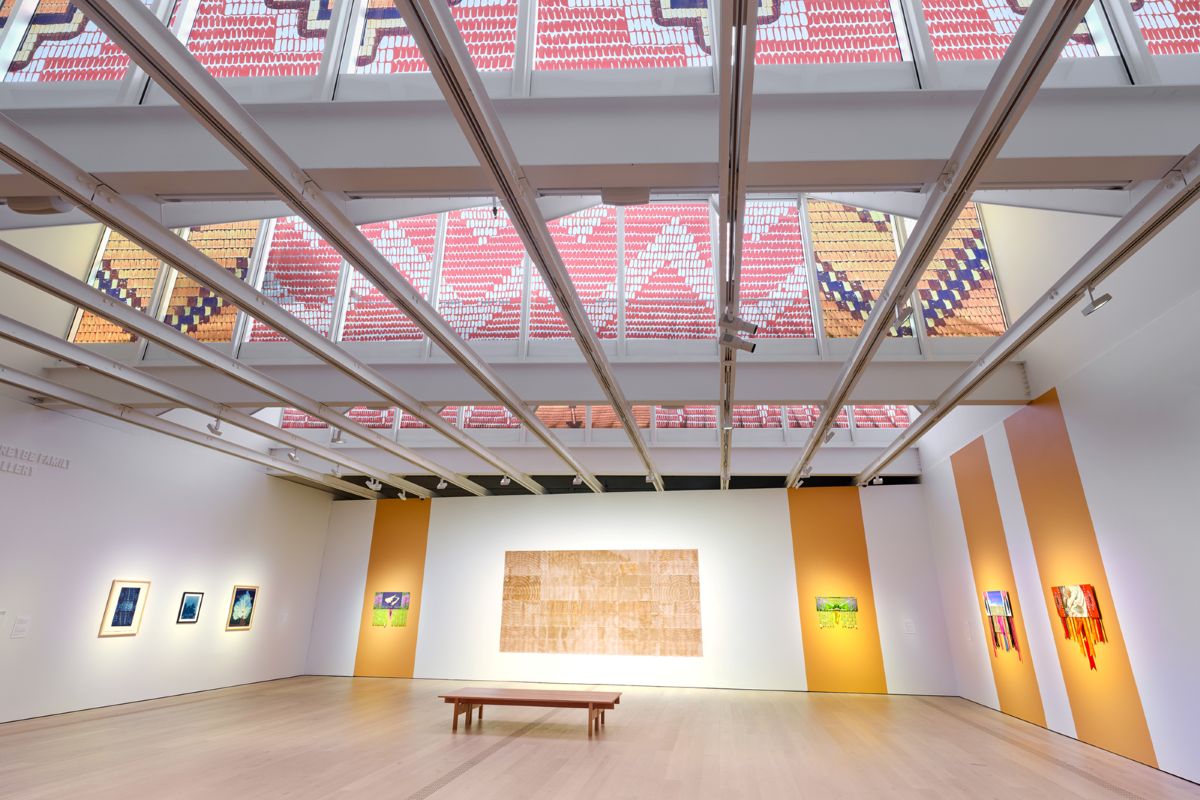
Co-curator Serena Steel summarizes the effect in an elegant essay that accompanies the show: “Willard transforms the skylight windows with basket patterns collected over a decade of research. Each bank of windows is layered with yellow and red ochre patterns that cast a subtle, warm glow over the room, as sunlight is filtered through many years of woven history and passed-down knowledge.”
As Szewczyk explains, in bright sunlight it is a different piece than in the dim atmosphere of the atmospheric rivers that are currently downpouring across the city.
In the press material, Willard explains her foundational attention to the role of light.
“Light has been making life, images, shadows and reflections for billions of years. Those photographs are called stones — geological formations — the grandmothers and grandfathers embodied in the volcanic rocks used in sweat lodges,” she writes.
The stones referred to are ulexite crystals, a mineral otherwise known as “TV Stone” for its unique optical properties. These crystals play a central role in one of the largest works in the gallery.
Only Available Light, purpose-built for the exhibition at the Polygon, takes inspiration from a Kekuli (a winter home in the Secwépemc language), that houses an archival video projection.
The original 1928 film that Willard uses, The Shuswap Indians of British Columbia, is refracted through the use of rotating crystals that alternately both obscure and reveal. The changeability of light offering new interpretation/experiences of the work, but ultimately recreating a place of comfort, warmth and community that was forcibly altered by the blunt, brute forces of colonialism.
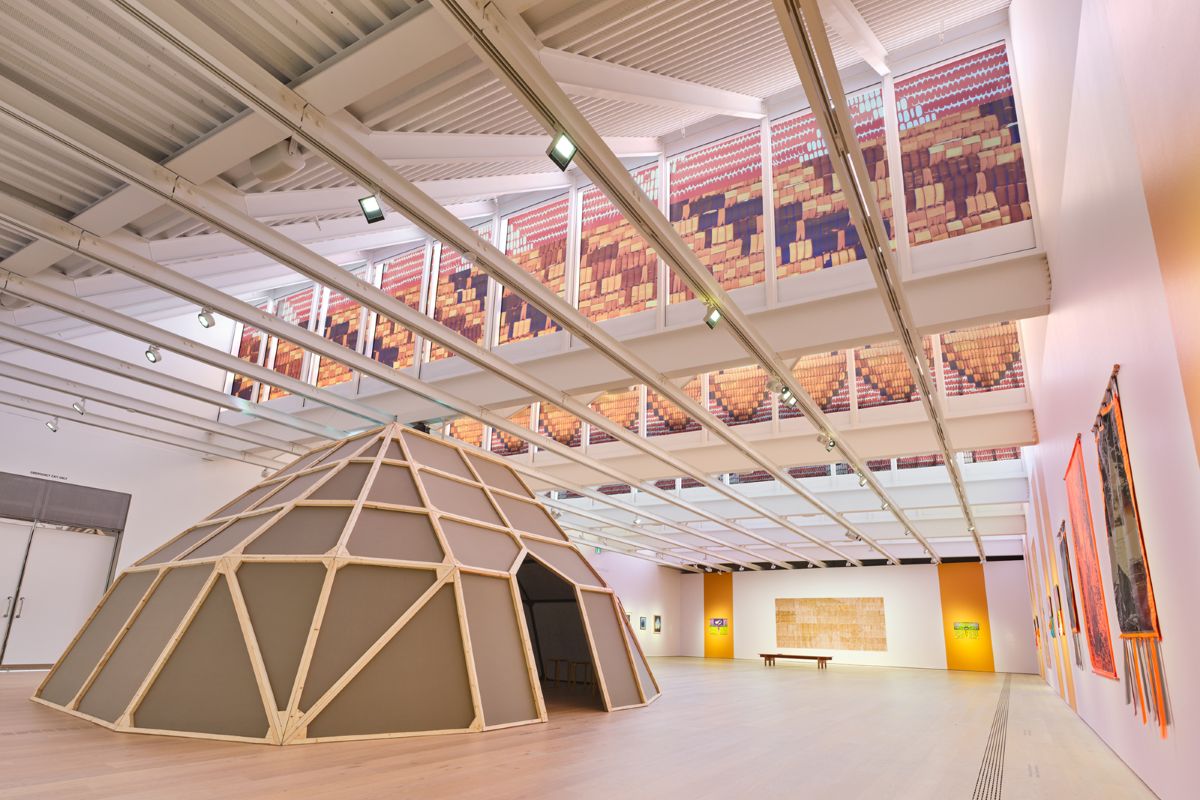
Drawn from a decade of Willard’s different creative practices, the exhibition is abundant, overflowing and generous. Although she works principally in photography, the materiality and sculptural heft of other work in the show calls attention to the relationship between the grounded nature of physical things and the expansiveness of spirituality.
In addition to the power and beauty of her images, Willard is a commanding and thoughtful speaker, clear about the place and role of her work, explaining that it offers a greater lens through which to view and understand deep earth-time, as well as our emotional relationships to light and land.
‘Tania Willard: Photolithics’ runs until May 24 at the Polygon Gallery. A public celebration of the show takes place on Sunday, March 29 with the artist in attendance.
Marian Penner Bancroft, Long Story
At the West Vancouver Art Museum, Marian Penner Bancroft’s solo exhibition Long Story brings together Bancroft’s exquisitely observed photographs.
Similar to Willard, in Long Story Bancroft melds deep time with contemporary explorations of human impact on the natural world. This conceptual collaboration has long fuelled Bancroft’s work, drawing attention to both the big picture and the smaller details.
Long Story encompasses both the epic and intimate, brought together through close observation. Be it the elegance of single Ginko leaf or a series of weathered pilings jutting out from Kootenay Lake, the exhibition is an extended visual journey. From the local sights in Richmond, West Vancouver, or Point Grey, to further flung places like Scotland, France and Ukraine, no matter the actual location, I am filled with an immense sense of calm looking at Bancroft’s photographs, be they still or moving.
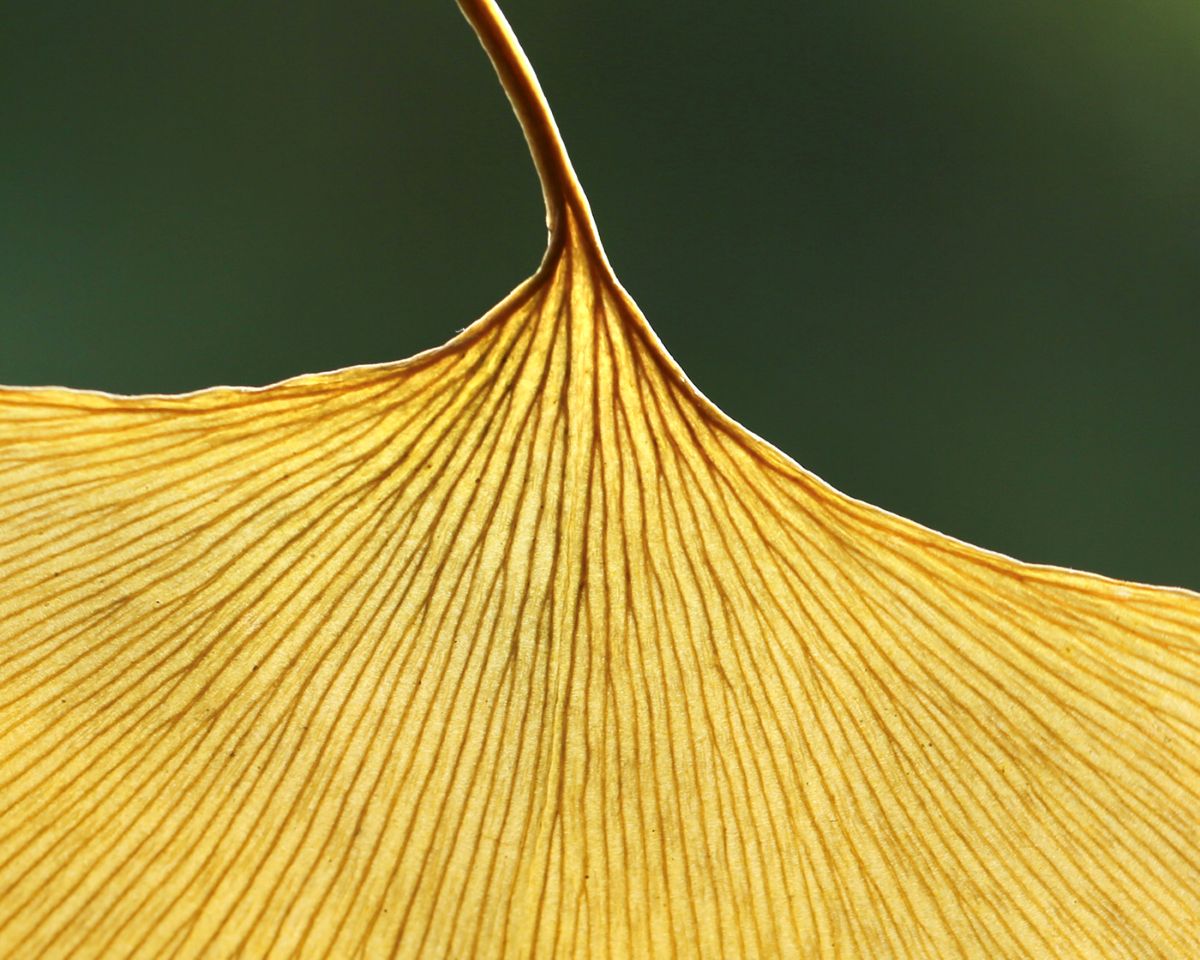
One of the most fascinating works in the show is a pair of video installations that capture the movement of water and wind.
In Flotsam, an eight-minute-long video filmed at Iona Beach in Richmond, the details of tidal foam transform into abstract patterns of fractal light, dissolving and reemerging in an ongoing dance. The occasional appearance of logs and other objects moved by the force of the water become mesmerizing and strangely dramatic.
So too, the different moving images that make up Nine Pictures, from the artist’s 2019 series HYDROLOGIC: drawing up the clouds, are suffused with beauty as well as something more unsettling.
The great indifference of the natural world just going about its eternal work is a reminder that we humans are fireflies. Here for a short while, then popping out of existence. Meanwhile, the sun, moon and oceans roll ever on.
An artist tour of ‘Long Story’ takes place on Saturday, March 21 at 2 p.m., at the West Vancouver Art Museum.
Collaborators, Nettie Wild and Friends Films and Installations
The first reading of the title of filmmaker Nettie Wild’s exhibition at the Paul Kyle Gallery, Collaborators, in Vancouver, might give one visions of a heist or a political manifesto, but it is meant to underscore that making films as well as art is more than the work of one person, it requires a collective.
In addition to Wild, add in editors, cinematographers, composers and in the case of a VR presentation, a bunch of technical experts.
I wrote about Wild’s UninterruptedVR in 2021, after the site-specific had finished its run underneath the Cambie Street Bridge in Vancouver.
The genesis of the idea Uninterrupted emerged more than a decade before the project came to fruition, when Wild witnessed salmon making their ancient pilgrimage up the Adams River in the Shuswap to spawn. I saw the work in an early incarnation at VIFF’s Vancity Theatre. In 2017, a series of presentations/projections took place on the substructure of the Cambie Street Bridge, before the work was recreated in a VR version.
As Wild takes pain to explain, although the project was conceived and directed by her, it belongs to the entire creative team, including producers Betsy Carson and Rae Hull, as well as editor Michael Brockington.
Add in additional contributors: composer Owen Belton, sound designer Velcrow Ripper and Neskonlith Elder Mary Thomas speaking in the Secwepemctsín language, and one begins to get a sense of how many people it takes to bring a large-scale project into being. The list of key collaborators at the back of the exhibition catalogue that accompanies the show is a testimony to the critical importance of teamwork.
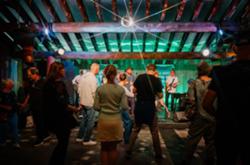
At the Paul Kyle Gallery, the VR edition of Uninterrupted is offered with headsets, headphones and chairs. It’s always something of an odd experience to watch other people using VR. Some folks spin about like restless toddlers, while others, wrapped in stillness and absorption, seem not quite there. It is something of an isolating technology, very different from the communal experience of taking in a film with an audience.
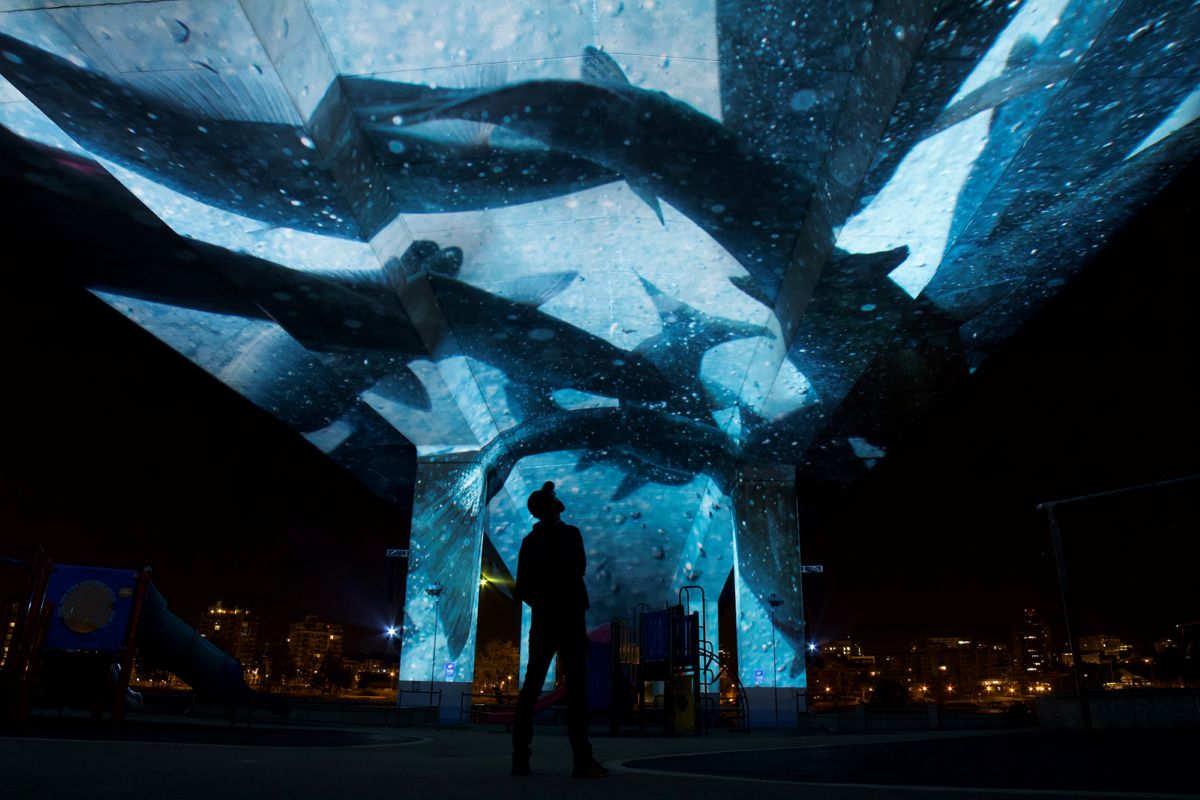
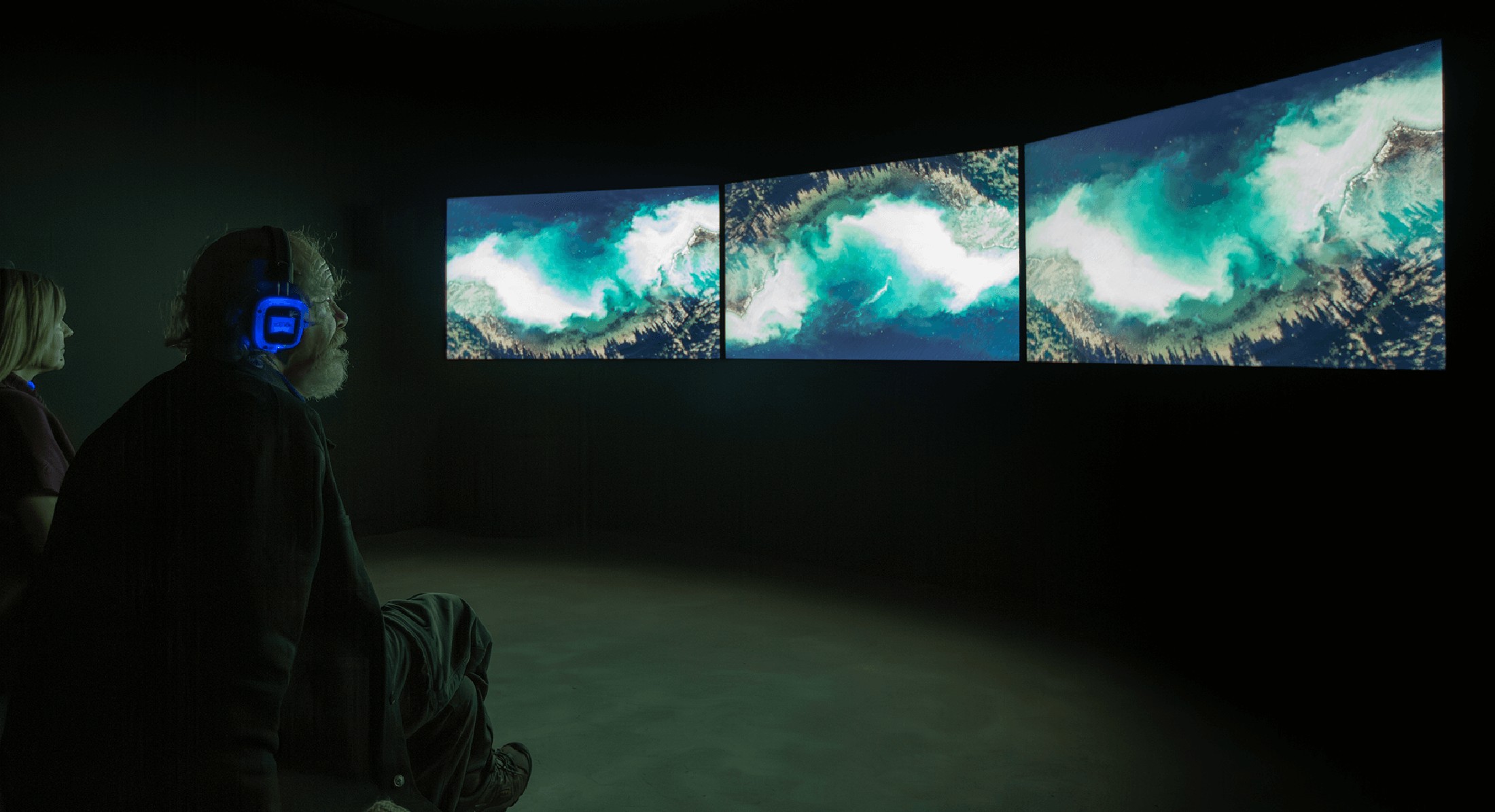
In counterpoint to the solo experience of VR, the gallery is screening a number of Wild’s documentaries, as well as offering a presentation of GO FISH. Co-created with Scott Smith, the three-screen installation captures the herring harvest in the waters of the Salish Sea.
The work is very much driven by the conjoined artforms of cinematography and editing, making use of the integration of sound and image, one crossing over to another, literally bleeding across the triptych of screens to suggest the interconnection of the human world (i.e. fishing boats and their crews) and the natural world (sea lions, gulls and fish). It’s a swirl of a thing, a rich, almost frothy concoction of movement, akin to a large-scale ballet.
While the exhibition has deep roots in documentary cinema, it also showcases Wild’s more recent explorations into “moving paintings,” titled Guangxi Totem, that draw more upon visual art practice. A certain kind of narrative is still apparent in Guangxi Totem, but the axis is flipped: story takes a backseat to image.
The job of the artist is more than the act of looking and documenting. It is also catching the edge of universal forces, pinning them in place through image or object, to allow everyone to see. A true and generous act of collaboration.
‘Collaborators’ runs until March 28 at the Paul Kyle Gallery in Vancouver with a number of screenings and talks taking place. ![[Tyee]](/design-article.thetyee.ca/ui/img/yellowblob.png)
Read more: Art


Tyee Commenting Guidelines
Please note that email notifications for replies are not currently working due to a software issue which may be resolved in a future update.
Comments that violate guidelines risk being deleted, and violations may result in a temporary or permanent user ban. Maintain the spirit of good conversation to stay in the discussion and be patient with moderators. Comments are reviewed regularly but not in real time.
Do:
Do not: