
 SHARE:
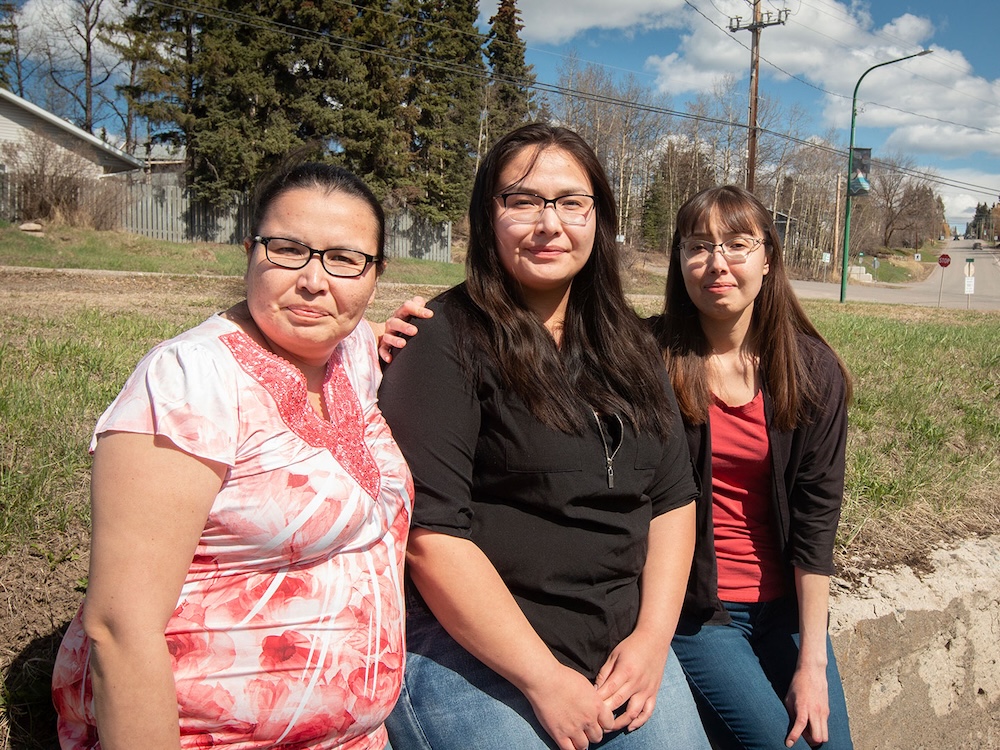
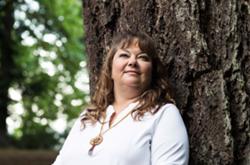
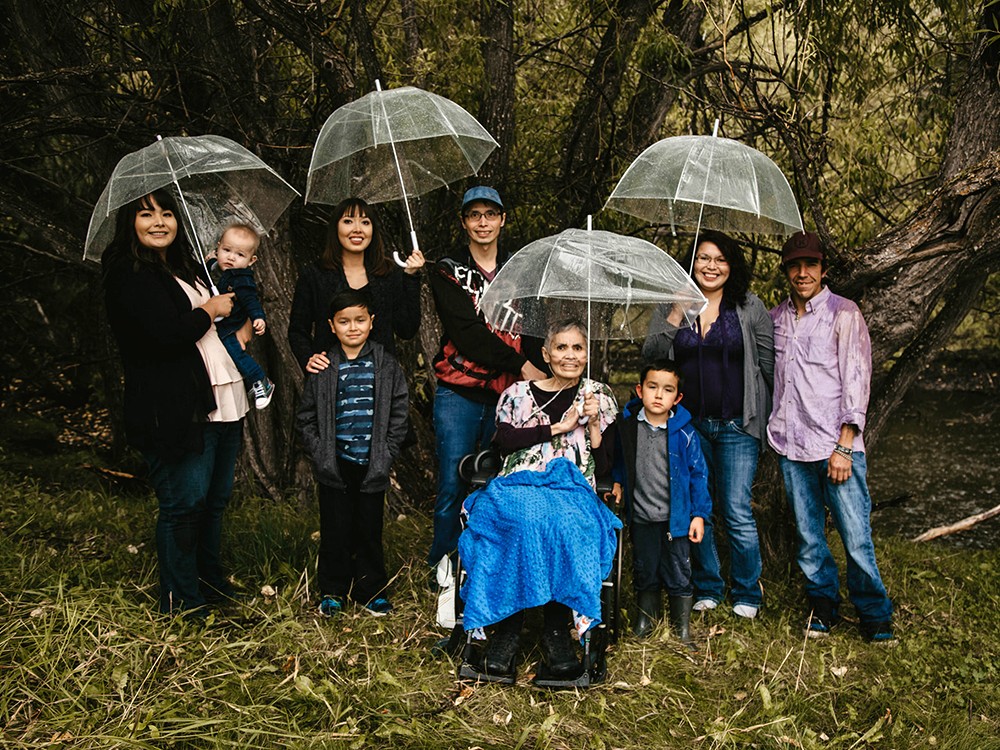
Cathy Woodgate didn’t live to see the outcome of the Canadian Human Rights Tribunal inquiry that bears her name.
She died in September 2021 from muscular dystrophy, a degenerative muscle disorder that had plagued her since childhood. As a student Woodgate was the slowest in her class, and she later told her children about a gym teacher who hit her with basketballs and yardsticks when she lagged, resulting in low self-esteem and a lifelong aversion to physical activity.
The RCMP investigated the former teacher following allegations of physical, emotional and sexual abuse by former students at two northern B.C. schools. While that investigation didn’t result in charges, it eventually led to the case now before the federal human rights tribunal. Woodgate et al. v. RCMP is an inquiry into the RCMP’s handling of the investigation, which First Nations complainants say was incomplete and racially biased.
Since the complaint was referred to the tribunal for inquiry in 2020, three of six complainants — all of whom are members of Lake Babine Nation — have died.
Despite the story previously making national news headlines, the man at the centre of the allegations — a “well-known Canadian” who taught in Burns Lake in the late 1960s before moving to Prince George in the early 1970s — can no longer be identified because of a confidentiality order granted by the tribunal in 2022. He is referred to in tribunal documents as A.B.
The case has been delayed multiple times due to a range of causes, including the request for anonymity by the former teacher and the B.C. government’s application to join the hearings nearly five months after they began in May 2023.
The hearings ended in February 2024, and after the parties’ final written arguments, which wrapped up that July, the tribunal had six months to issue a decision. That decision, which was expected last January, is nearly a year overdue.
Woodgate’s children say they hope the surviving complainants will soon get the resolution they’ve sought for more than a decade.
“The remaining survivors deserve to have their stories heard and get their justice while they’re alive,” Woodgate’s daughter Katrina Woodgate told The Tyee. “Our mom did not get that chance.”
In an email to The Tyee, a spokesperson for the Canadian Human Rights Tribunal wrote that while the tribunal aims to issue decisions within six months of the conclusion of final arguments, that can vary depending on the case. The Woodgate inquiry involved 44 hearing days and thousands of pages of documents, making it “a lengthier and more complex” case, the spokesperson said.
The tribunal also experienced a shortage of members — the officials who hear cases and issue decisions. The tribunal had just five members near the start of last year. It added seven members over the course of the year, and the spokesperson wrote that the issue is now resolved.
The Woodgate inquiry was heard by a single member, chair Colleen Harrington, rather than a panel. Harrington experienced a family tragedy that affected her ability to work on the file.
“She is, however, diligently working on the decision and aiming to issue it before the end of the year,” the spokesperson wrote.
Woodgate first brought her allegations of abuse to the Burns Lake RCMP in 2012, following a report by another former student that the gym teacher had sexually abused her when she was 11 years old. The RCMP investigated but closed the file after 18 months without recommending charges to Crown prosecutors.
At the inquiry, Department of Justice lawyers representing the RCMP said investigating officers spoke with 37 witnesses but ultimately determined that there was insufficient evidence to proceed with charges.
The hearing was the first time the First Nations witnesses had a chance to speak publicly about their allegations, which had sparked a media maelstrom a decade earlier.
The tribunal heard that former students said they were punished by A.B. and other instructors for things like speaking their Carrier language, being slow or struggling with their lessons. One witness testified that he was left with scars from being hit with a ruler that had a spike driven through it.
While the hearings were initially scheduled to run six weeks, they extended nine months, into early 2024, as a result of additional witnesses being added and the B.C. attorney general’s request to present evidence.
In particular, the province wanted to weigh in on a remedy sought by the complainants that the BC RCMP divest itself of assault and sexual assault investigations in Indigenous communities. The complainants are asking that they be replaced with independent investigative teams that would include community members, such as a local language speaker, an Elder and a spiritual leader. The teams would also include one police officer.
Cloy-e-iis, Judith Sayers, a director with the BC First Nations Justice Council, testified two years ago that the council had already begun discussing what community-led investigation teams could look like.
She told The Tyee last week that she worries about how the delays might affect survivors.
But she’s also concerned about prolonging justice system reforms that would better serve Indigenous complainants and bring the system in line with the Declaration on the Rights of Indigenous Peoples Act.
“We’re trying to find trauma-informed ways of interviewing these complainants that have lived through such horrible things,” she said. “We’re trying to help fix this and the fact that it’s taking so long doesn’t help that in any way.”
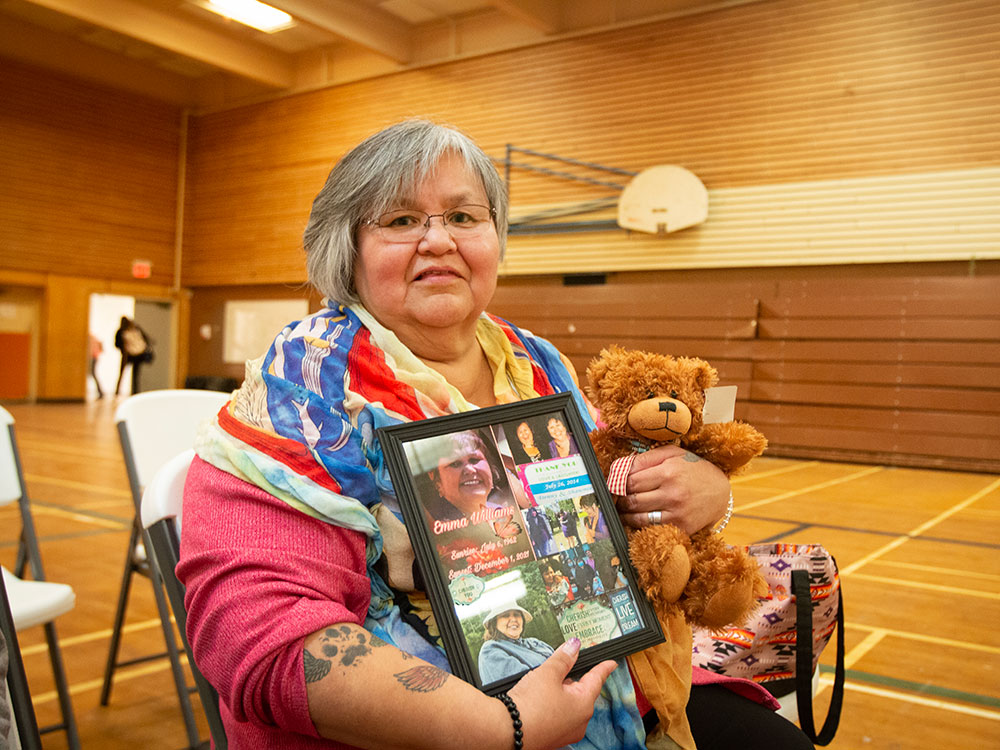
For Dorothy Williams, the delays bring back feelings of not being believed.
Both Dorothy and her sister, Emma Williams, are among the inquiry’s six named complainants. Like Cathy Woodgate, Emma died in 2021, before she could testify.
With Emma unable to share her story with the tribunal, Dorothy spoke about both her own experience and her sister’s while testifying in 2023.
She told the tribunal that her family was forced to move from the Babine Lake area to Burns Lake so the children could attend Immaculata, a day school where both sisters suffered abuse.
Dorothy fears that the tribunal is not prioritizing the case. She said she’s bracing for more disappointment from the justice system.
“For far too long, we were silenced. We didn’t have a voice,” Williams told The Tyee. “What are they waiting for? I just don’t understand it.”
Katrina Woodgate and her sister Katelyn said the delays weigh heavily on Cathy’s children. They recalled how the process depleted their mother’s energy. Now the siblings are waiting for a decision in the hopes that it will lead to a better response from police to future abuse complaints from Indigenous people.
But although their mother had “endless strength,” their patience is wearing thin. Four years after Cathy died, they said, their healing depends on a resolution to her years-long fight for justice.
“We aren’t able to have full closure since her passing, because we’re trying to resolve this case,” Katrina said. “It’s definitely frustrating.”
We have closed comments for this story due to the legal situation in relation to the piece. Thanks for your understanding. ![[Tyee]](/design-article.thetyee.ca/ui/img/yellowblob.png)
Read more: Indigenous, Rights + Justice