

 SHARE:

Calgary city council has a diversity problem.
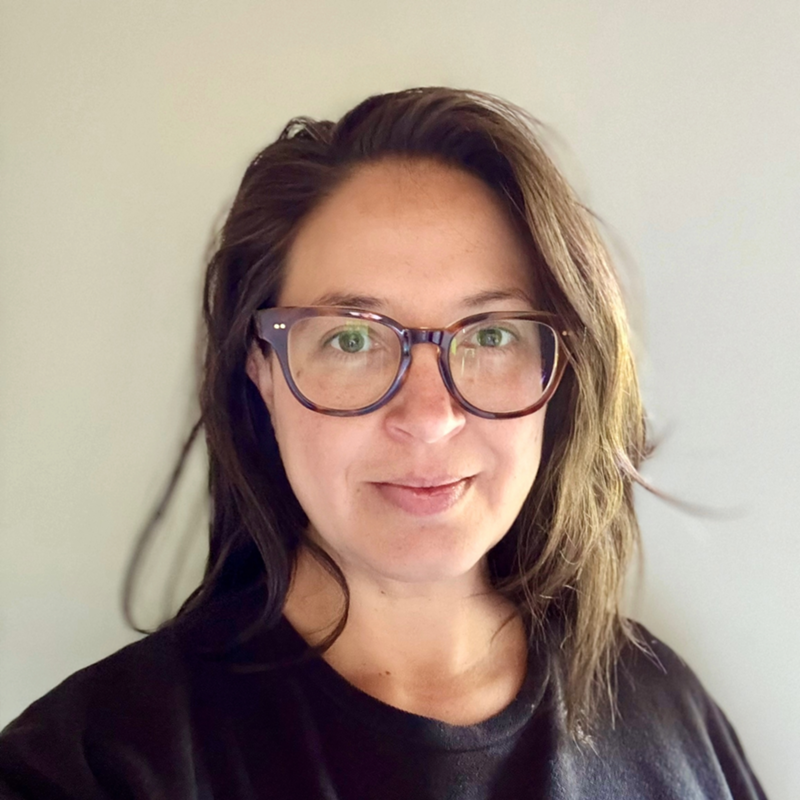
The year Sarah Adams was born was the last time the prairie city’s council got close to gender parity, as Calgarians elected six women to lead their city in 2004.
This was no milestone, but residents of half of Calgary’s 14 wards haven’t had a woman represent their interests in council since. Ward 14, where Adams grew up, hasn’t elected a female councillor since 2010, when Linda Fox-Mellway lost her seat to Peter Demong, who retired from politics earlier this year after four terms in office.
Worse, three wards haven’t been helmed by a woman since Calgary adopted its current ward system in 1977.
The election of Calgary’s first female mayor in 2021 seemed to suggest change was afoot, but in 2025 men continue to dominate the city’s council chambers.
In October, roughly 350,000 voters across Calgary’s four quadrants headed to the polls to elect their city’s next mayor and council. As results trickled in on election night, it quickly became obvious that the incumbent mayor, Jyoti Gondek, would be defeated after one term in Calgary’s top job.
Like Gondek, most female candidates would fail to get a seat at the helm of a city as diverse as any other major Canadian municipality. Out of a total of 82 contenders, only two women and three racialized candidates were elected. White men made up the rest, including Calgary’s new mayor, Jeromy Farkas.
This situation raises questions about the effectiveness of Calgary’s new council to address the priorities of about 785,000 women and over 640,000 Calgarians who identify as a visible minority in a city nearing 1.6 million residents — or at least it should.
For Adams, who splits her time between Kingston, Ontario, where she attends Queen’s University, and her parents’ home in southeast Calgary, the new council’s homogeneity is as problematic as the silence about it.
“I saw the results and I was like, where are all the women?” she recently told The Tyee. “But I could barely find anything about it on social media. The lack of dialogue made me feel like no one cared.”
There are people who argue the lack of diversity in Calgary’s city council is a matter of little importance because the candidates were well tested by voters on the campaign trail.
The Calgarians who seldom see their priorities addressed in public policy, however, argue that representation is essential for democracy.
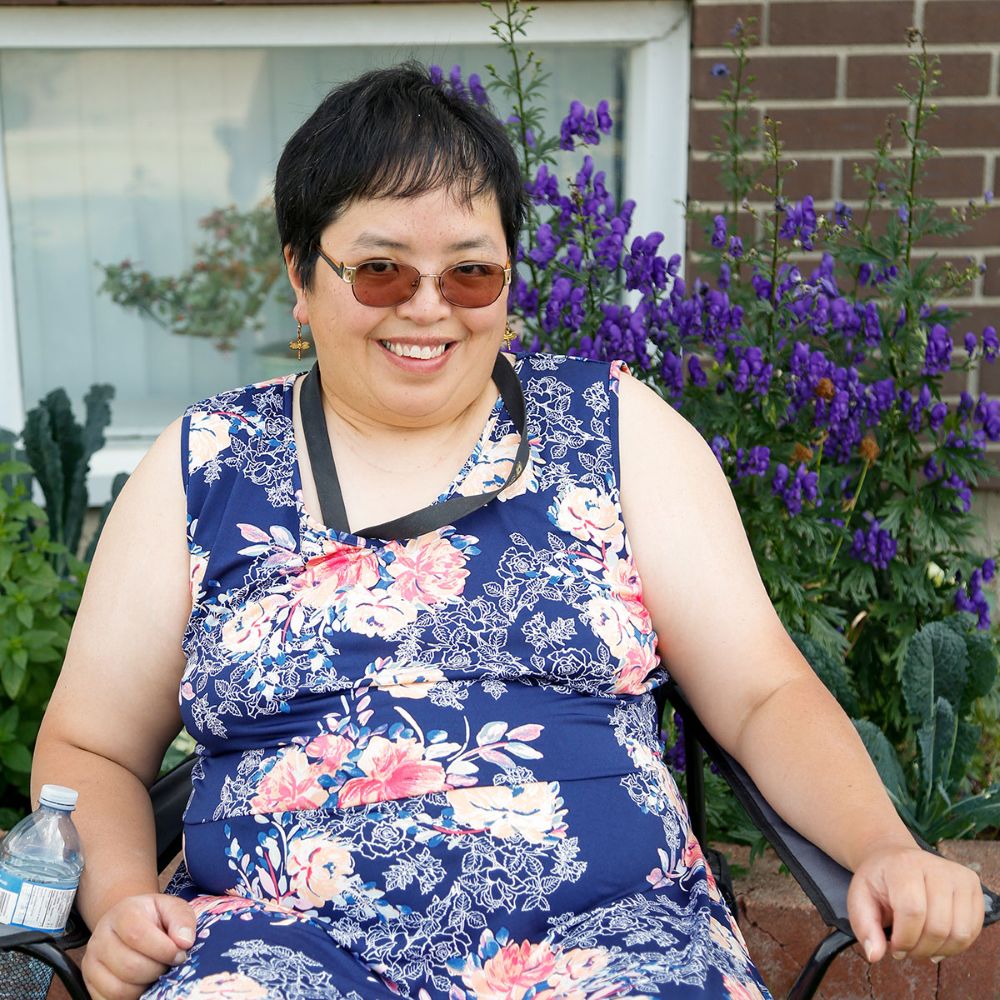
For many years, Mary Salvani has championed improvements to Calgary Transit and the agency’s disability-focused service, Calgary Transit Access.
Seeking to make it easier for Calgarians with mobility challenges to travel about their city, Salvani advocates for flexible trip schedules, accessible bus stop locations and pedestrian safety — but change has been slow to materialize.
She believes that part of the reason for this is that elected officials can have a hard time relating to the needs of disabled Calgarians, many of whom scrape by on the meagre income Alberta’s Assured Income for the Severely Handicapped affords them.
Living in a city where her needs are little more than an afterthought requires a consistent effort, but even though Salvani would like to see more people whose life experience reflects her own in the council chambers, she doesn’t believe it’s possible.
“I would like to have a disability advocate who advises city council,” Salvani said. “Because people like us can’t afford to run for office.”
She’s not wrong.
Various institutional, social and economic barriers limit the opportunities Calgarians have to represent their community in government — and to be represented by politicians who understand their struggle.
“We need diverse elected officials because we want people with different life experiences to bring that experience to bear on public policy,” said Angelia Wagner, an assistant lecturer at the University of Alberta’s department of political science.
“If you have elected officials who come from one social group, public policy is more likely to focus on their particular needs and interests,” Wagner explained, emphasizing that diversity isn’t only about race, gender, or physical ability, but also about the intersection of these factors with ethnic, socioeconomic and ideological backgrounds.
“Even if we do see public policy try to deal with broader range of issues, they’re going to be addressed through the lens of how those individuals understand the world.”
Without a diverse slate of candidates, voters lack the breadth of choice needed to sustain an effective level of representation in policy making. However, politics remains an exclusive career path, in Calgary and elsewhere.
“One of the reasons why we don’t see more diverse people run is that politics, as it plays out in Canada, was not designed for them,” Wagner said. “Running for office requires you to fight a system that was not built for you.”
To run for office, Calgarians of all walks must consider whether they can afford to take time off work and offload family responsibilities. And not everyone has the thick skin required to endure the scrutiny of media, and the abuse enabled by digital platforms.
If their candidacy is successful, long hours often prevent elected officials from tending to their families or engaging in activities that replenish their mental and emotional energy. After working such a demanding job for more than one term, elected officials face the prospect of unemployment, as returning to their previous occupation isn’t always an option.
Acting as a filter, these challenges keep many qualified candidates from running for office — even if they care deeply about their communities.
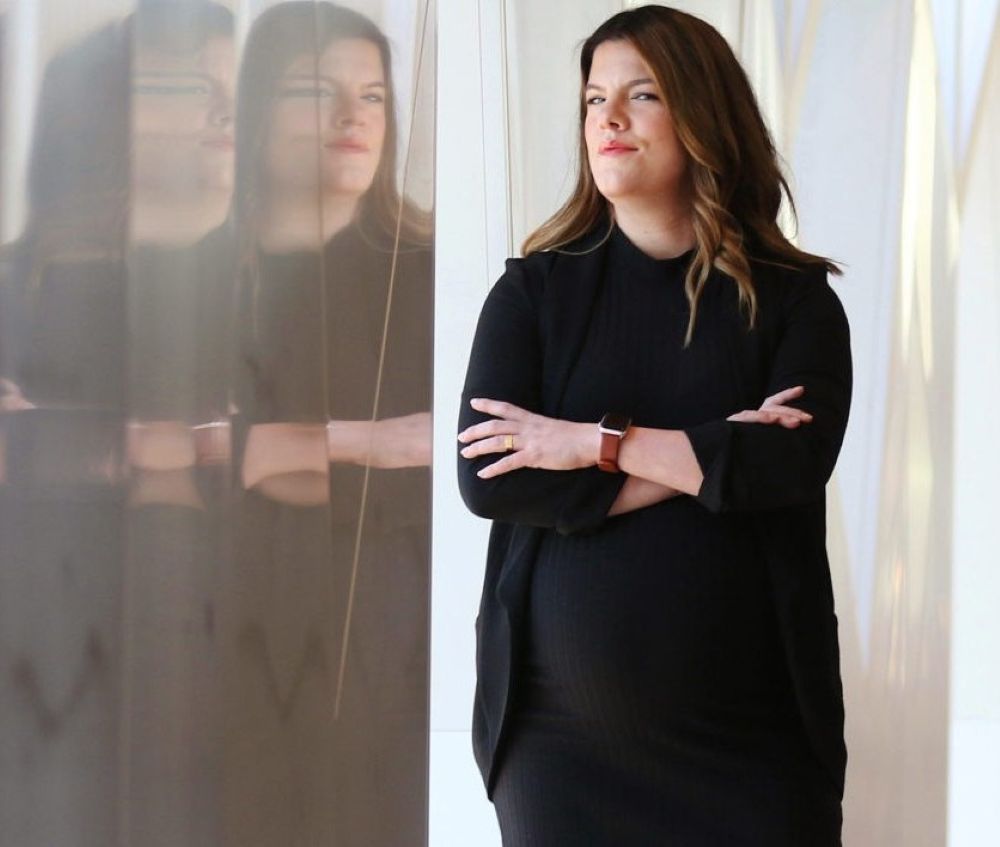
Gillian Hynes has been interested in politics for as long as she can remember. Yet, she’s let the opportunity to run for elected office pass her by more than once.
“The biggest things for me are family caregiving responsibilities and the support system,” the human resources professional told The Tyee.
To campaign successfully, the mother of two would have to find child care and ask her employer for time off.
“Some companies are supportive of folks running, but you still have to decide: Can you afford to take a leave of absence? Does your company want you out there on the political side? Would your employer ask you to resign?”
So far, Hynes hasn’t dared take the plunge.
“Running takes a lot of courage,” she said. “I applaud every woman who’s run and continues to encourage the women in their networks.”
Hynes isn’t alone.
One reason men are overrepresented in Calgary’s newly elected council is that few women threw their hat in the ring. Although women drew about 44 per cent of all votes, they represented less than one third of candidates.
“If you want to elect women in all their diversity, they have to come forward as candidates,” said Melanee Thomas, a political scientist at the University of Calgary.
A lack of interest in politics isn’t to blame. Rather, it’s the demands imposed by a career path intended for a specific type of candidate.
“The hours on this job are abusive,” Thomas said. “So it’s not possible to lead a life that’s fulfilling because there’s this expectation that politicians should be always available.”
Managing a city is not only a burdensome job that requires elected officials to upend their personal lives. Increasingly, women in politics also find themselves a target of both online and offline harassment intended to thwart their aspirations.
Consequently, women often need more time than men to gather the resources they need to run for elected office.
Such is the case of Anita Hofer, who recently began to ponder whether she should run for office, after volunteering for a mayoral candidate in Calgary.
With more than decade of experience in the non-profit sector under her belt, Hofer is better qualified for the job than many sitting councillors, but she’s unsure she has what it takes to withstand it.
“If I were making of a list of reasons not to run, my kids would be at the top,” she said.
“Running would expose my family to scrutiny. It might even put them at personal risk. I know that politicians sometimes have to travel with protection; they might have alarm systems installed at their house.”
Her worries are not unreasonable. Three years ago, Calgary city council passed a motion that would cover the cost of installing security systems in the homes of elected officials after protesters rallied outside Gondek’s home.
But when women stay on the sidelines, all Calgarians lose.
“If you constantly see representatives who don’t look like you, talk like you, or have anything in common with you, it can be very easy to say that politicians are other people, and brush off politics as something that doesn’t matter,” Hofer said. “But everything is political.”
Just over 39 per cent of eligible Calgarians voted in the October election. The lowest voter turnout since 2007, when roughly 33 per cent of voters cast a ballot. Increasing diversity in the city’s politics won’t be easy. But expanding the scope of eligible campaign expenses, extending candidate registration periods and adjusting workloads to improve work-life balance and mental health can have a big impact.
“Politics reflects the power structures that you see in society,” said Thomas, of the University of Calgary. “This means that one does not need to look very far to see that there’s still expectations that men and white folk hold all the power — until those are dismantled, this is what the default is.” ![[Tyee]](/design-article.thetyee.ca/ui/img/yellowblob.png)
Read more: Alberta








Notice about commenting changes
The Tyee’s commenting system will be moving to a new platform on Nov. 12. If you’re already a Tyee commenter you must register with the new system on or after Nov. 12 with your preferred username.More information can be found here.