


 SHARE:
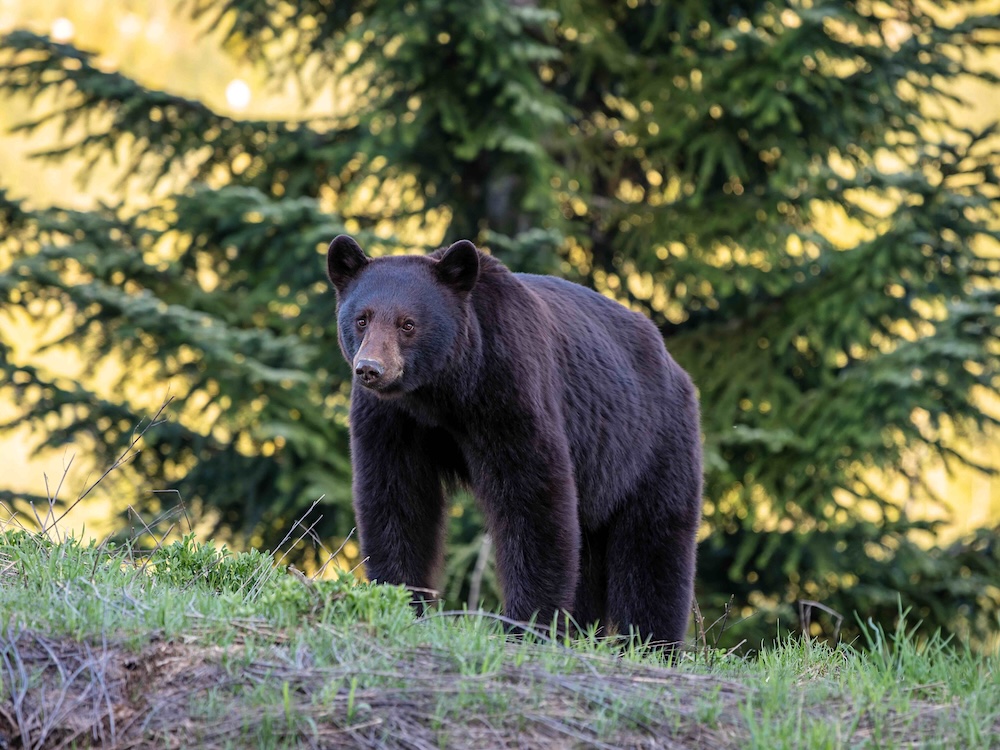
As British Columbians flock to outdoor spaces it’s important to remember that feeding wildlife is bad for them, say experts.
As in, really bad for them.
When racoons are fed human food they can become hypoglycemic, or basically pre-diabetic, and their teeth start to rot, said Sarah Benson-Amram, an associate professor in the departments of forest and conservation sciences and zoology at the University of British Columbia.
A harder-to-see impact, but one that is even more dangerous, is that an animal can become habituated to humans.
This is different from being tamed. The animal will still be wild, but it will have less fear of humans, she said.
This can lead to animals spending more time around people, which can put them at increased risk of being hit by vehicles, she said.
If a coyote is comfortable hanging out in someone’s backyard, then that person’s pet dog is more likely to be attacked or eaten by that coyote, she said.
Habituated wild animals can learn to approach people for food and can become aggressive towards people and attack them, she added.
There’s a saying in wildlife management that a fed bear is a dead bear, said David Hardisty, an associate professor in the marketing and behavioural science division at the UBC Sauder School of Business.
Many people want to feed wildlife because they think they’re helping the animal, but “you’re actually killing them,” he said.
In B.C. about 500 bears are killed every year by conservation officers because they become habituated to human food, Hardisty said.
Unfortunately, he added, most wildlife gets fed when humans leave food out at a campsite or don’t properly secure their garbage while in the wilderness or at home.
From the early 1900s to the 1960s, national parks in the United States advertised that people could come see bears eating out of the garbage.
Now we know better, and park rangers and management work to help minimize how habituated to people wild animals become, Hardisty said.
“It’s something that we’ve only really understood more recently as a society,” he said.
Hardisty works with BC Parks to help campers and visitors understand how they can protect animals by keeping a clean campsite.
Whenever people aren’t cooking or eating, food needs to be packed away in a vehicle, put in a bear-proof locker or hung from a tree. Food stored in a vehicle can still attract wildlife.
Garbage, coolers, dishes, pots and pans, barbecues, pet food and bowls, anything used to prepare food, tablecloths, toiletries and petroleum products such as motor oil or gasoline cans can attract animals and need to be safely put away, the Ministry of Environment and Parks told The Tyee in an email.
When campers aren’t following the rules they can be issued a warning or evicted from the park, the ministry added.
Both BC Parks and the Conservation Officer Service can issue tickets under the Wildlife Act, and penalties for feeding or attracting dangerous wildlife can start at $460 and range up to $100,000 and/or jail time, it added.
Hardisty said he works to make sure information on how to properly tidy a campsite is available right where people need it, when they need it, such as on tables in campsites or in a pamphlet given to park visitors.
People who leave food out aren’t lazy or thoughtless — most of the time they just don’t know or learned once and then forgot, he said.
Making this information easily and readily available makes a “surprising difference,” he said.
And then there’s the small fraction of people who choose to hand-feed apples or Timbits to grizzly bears or try to ride a moose.
Humans navigate risk in interesting ways.
We are predisposed to be afraid of spiders, snakes, punctures and other things that historically would have been dangerous for our ancestors, Hardisty said.
But this risk assessment can get fuzzy when humans look at a bear, because familiarity makes something seem less risky, or less scary, he added.
That’s why we are comfortable in cars, which can be extremely dangerous, but can be scared of needles, which are quite safe but trigger our natural fear of being punctured.
When humans regularly interact with pets, such as cats and dogs, or watch movies or read books with friendly bears in them, we can become more familiar with animals such as bears and begin to view them as less dangerous, Hardisty said.
This might make someone less afraid of a wild animal, he said, and more willing to try to interact with it.
Then there’s reward, or the motivation someone has for taking an action.
Some people might have a desire for a positive interaction with an animal, or be curious what it would feel like to pet it, and might not understand the harm they’re potentially causing the animal.
Or some people might want to capture a silly video and not care about the harm they’re causing the animal — people’s risk-versus-reward calculations are all individual and vary widely, Hardisty said.
Benson-Amram said it’s best to avoid feeding all wildlife.
An exception to that rule is feeding birds, because birdseed can be quite natural to wild birds’ diets, she said.
But even this needs to be done carefully.
Hummingbird feeders need to be regularly washed because they can transmit a harmful fungus.
Bird feeders also need to be regularly washed, and if a feeder attracts too many birds there is an increased risk that disease can more easily spread between birds, Benson-Amram said.
If seed spills on the ground it can feed rats, racoons or bears, which is not good.
There is not a safe way to feed feral cats, coyotes, racoons or any other animals, she said.
The best way to interact with wildlife is to clap your hands loudly, or wave your arms to make yourself look big.
The more afraid of humans wildlife is, the safer it is, she said. ![[Tyee]](/design-article.thetyee.ca/ui/img/yellowblob.png)
Read more: Environment









Tyee Commenting Guidelines
Please note that email notifications for replies are not currently working due to a software issue which may be resolved in a future update.
Comments that violate guidelines risk being deleted, and violations may result in a temporary or permanent user ban. Maintain the spirit of good conversation to stay in the discussion and be patient with moderators. Comments are reviewed regularly but not in real time.
Do:
Do not: