



 SHARE:
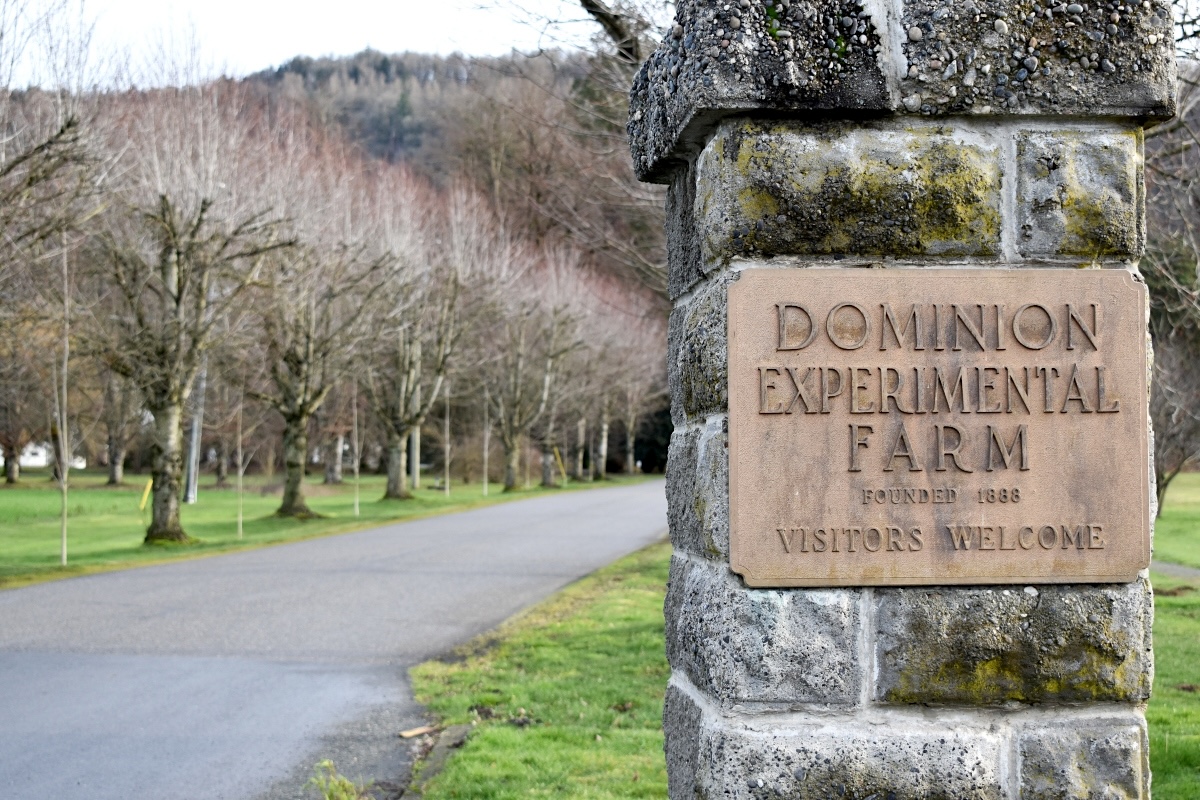
Drive too fast between the Fraser Valley communities of Agassiz and Harrison Hot Springs, and you might miss it: a small sign secured to an antique pillar, beckoning visitors into more than a century of history.
“Dominion Experimental Farm, founded 1888. Visitors welcome,” it reads.
I, however, know exactly what I am looking for: a place that is a mixture of science, history and agricultural innovation. I turn down the picturesque, maple-lined driveway. On either side, empty cornfields wait for their spring plowing, and a wooded hill looms ahead.
Soon, I am in a grove of century-old trees. Snowdrops and purple crocuses cover the ground beneath a mountain laurel, an American elm and a purple-leaved European beech. Empty branches cross overhead, and a modern brick government building stands proudly at the head of a roundabout. Behind it, greenhouses, barns and fields stretch for acres, peppering the landscape in a mosaic of crops.
The site is serene, with an orange tabby padding towards the building’s doors. But despite the roadside sign, the mostly empty parking lot indicates that visitors, although welcome, are not nearly as common as they once were.
Back in 1888, when Agassiz was little more than a railway station and a few pre-empted farms across the river from Chilliwack, federal employee William Saunders thought the spot was ideally suited for the Dominion government’s new experimental venture. It wasn’t just because of the varied soil, excellent drainage and pre-cleared fields. It was also because of how close it was to some of British Columbia’s burgeoning tourist sites.
“Harrison Hot Springs... is destined to become a most attractive place to travellers from all parts of the world,” Saunders wrote in a letter to Canada’s minister of agriculture.
Travellers would need to pass the experimental farm on their way to the already popular hot springs, and the railway station just outside the farm’s door would give passengers “an opportunity of seeing more or less minutely the nature of the work carried out, since every train would stop at the station and alongside of the farm.”
It seemed, in short, like a perfect place for a young nation to commence its foray into agricultural experimentation.
The experiment
Canada’s experimental farm system began in 1886, with five farms forming the original foundation of the project. Created by the fledgling Dominion government, the sites were intended to help settlers become better farmers in a country they often knew little about.
The plan was hardly altruistic. For Canada to exert control over the land it claimed, government officials needed the European immigrants to be successful in their agricultural endeavours.
This was especially true in British Columbia, which was still seen as somewhat of an untamed landscape within the Dominion. The railway near the experimental farm had celebrated the first train arrival in Vancouver only in 1887, and agricultural settlement was still relatively sparse throughout the province. There were also very few treaties with Indigenous nations: Gov. James Douglas had signed 14 treaties with First Nations on Vancouver Island in the 1850s, but none with nations on the mainland.
Prior to Confederation, Douglas’s colonial government had created reserves to temporarily set land aside for Indigenous people until treaties could be signed. The reserves were intended to be large enough to be agriculturally viable, and Indigenous people were able to obtain additional farmland, a researcher explained in a 2002 paper published in partnership with local experts and Stó:lō leaders.
But Joseph Trutch, who became B.C.’s lieutenant-governor after Douglas retired, believed the reserves allocated to Indigenous people were too large. He wrote in 1867 that Indigenous people made “no use whatever” of their reserve lands, and the land, which was “greatly desired for immediate settlement remains in an unproductive condition.” He claimed it held “no real value” to the Indigenous people — a false claim that local Indigenous communities unsuccessfully tried to counter.
For Trutch and many others, agriculture by European settlers needed to take precedence. The settlers also needed help to actually have a chance of being successful.
Enter the experimental farms. As Saunders told a government committee five years after their inception, the goal was to “enable farmers to conduct all their work more skillfully and to make it more profitable.” Successful farmers were successful settlers, and successful settlers would ensure the Canadian colonial experiment survived.
The Agassiz farm was the B.C. outpost of the farm program.
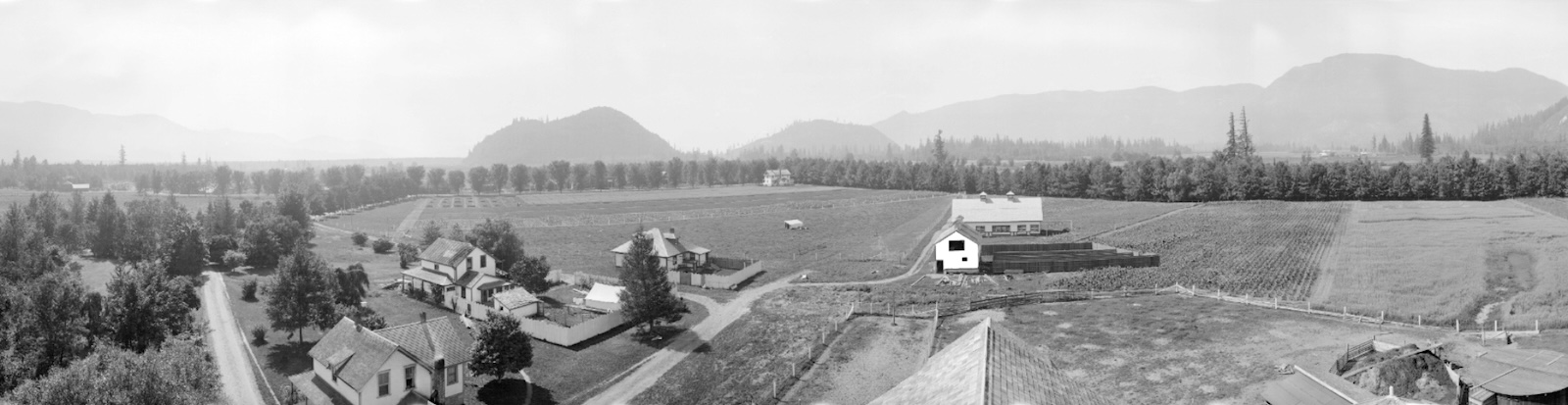
In Agassiz, research began with fruit trees, with the goal of determining which trees could grow in the Fraser Valley’s climate and whether their production would be worthwhile. The farm itself comprised several hundred acres of partly cleared land. Newly planted fruit orchards were set alongside plots of experimental grain. Superintendent Thomas Sharpe, who had arrived from Ontario with several horses in 1889, lived in a large wooden house on site. A combined barn and stable also graced the property.
By 1892, 887 different fruit varieties were under cultivation, as well as at least a dozen different nut trees and a plantation of hardwood trees to be harvested for timber. Grains, including wheat, barley and oats, were sown in the fields and formed a foundation for future experiments at the farm. Over the next 150 years, research would evolve to include chemical weed control, corn harvest times, strawberry breeding and vegetable storage.
The research followed a tradition of experimentation as old as agriculture itself. Farmers and communities have always sought to produce more and better food. Vegetables that will last longer once it is picked. Fruit that is more nutritious or more appealing. Grains that produce more on the same amount of land. Livestock that grows faster with less effort.
The Agassiz farm has been the site of many successful experiments, such as the 1971 release of the Totem strawberry, which became the dominant strawberry in B.C. within five years. Some, however, brought unintentional consequences. In the 1930s, Dominion agrostologist L.E. Kirk lauded reed canary grass as “one of the most profitable grasses to grow on low land which is flooded periodically.” Today, the grass is a naturalized invasive species and a major challenge to farmers, as it grows throughout ditch ecosystems and reduces drainage capacity.
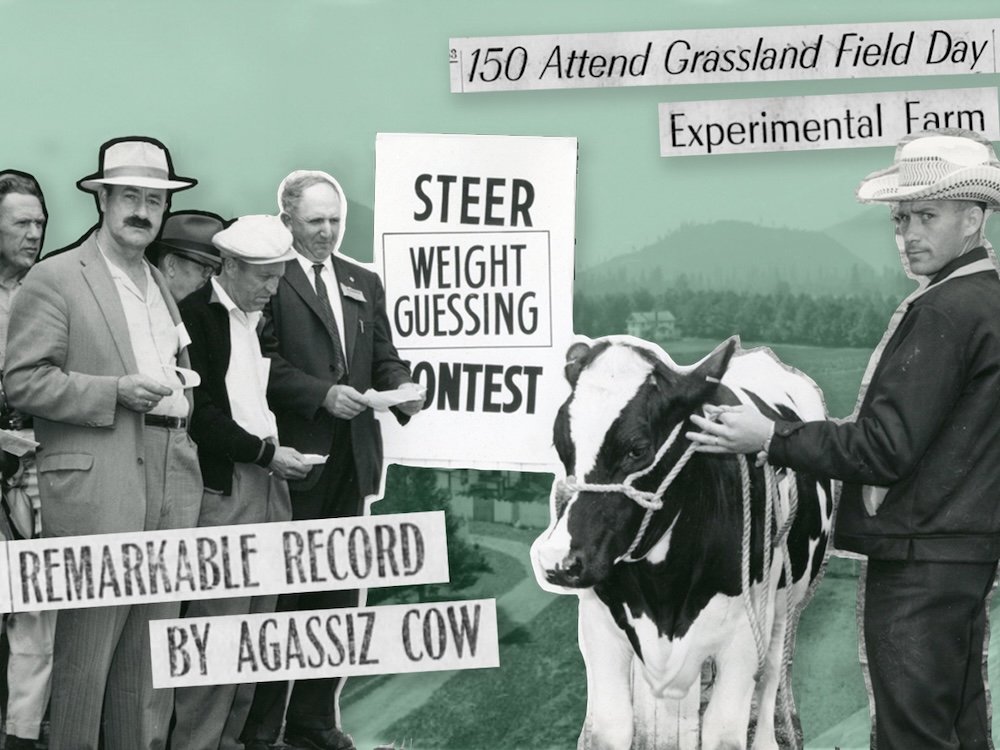
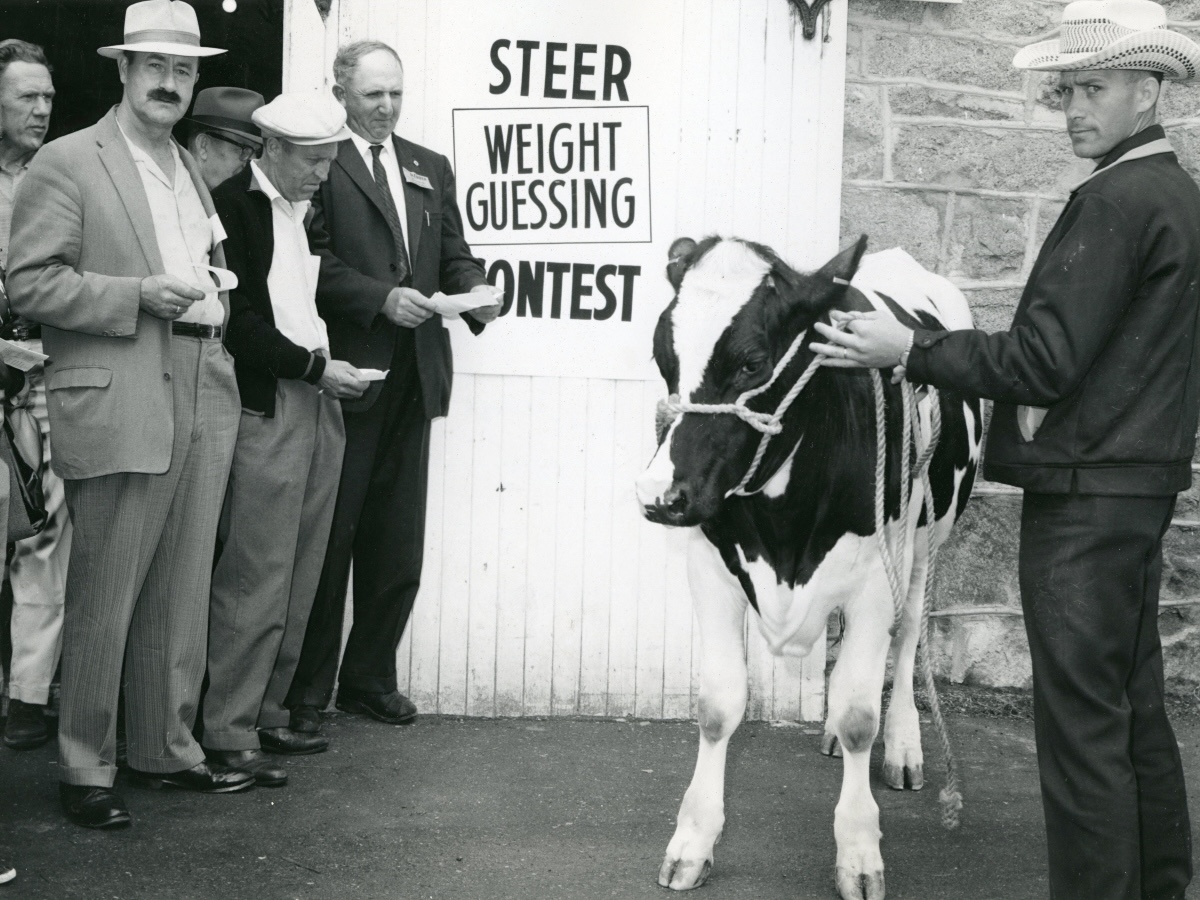
Livestock, including the farm’s dairy herd, formed a core part of the Agassiz farm’s research for much of the 20th century. Initial experiments aimed to help farmers improve their herds so they didn’t have to purchase purebred cattle. They soon shifted to attempts to make cows produce as much milk as possible. In 1923, the five-year-old dairy cow Agassiz Segis May Echo broke world records when she produced more than 30,886 pounds of milk in one year — the equivalent of 68,000 glasses of milk. The experimental farm staff held a banquet in her honour, inviting local dignitaries and reporters to toast the record-breaking cow with her own milk.
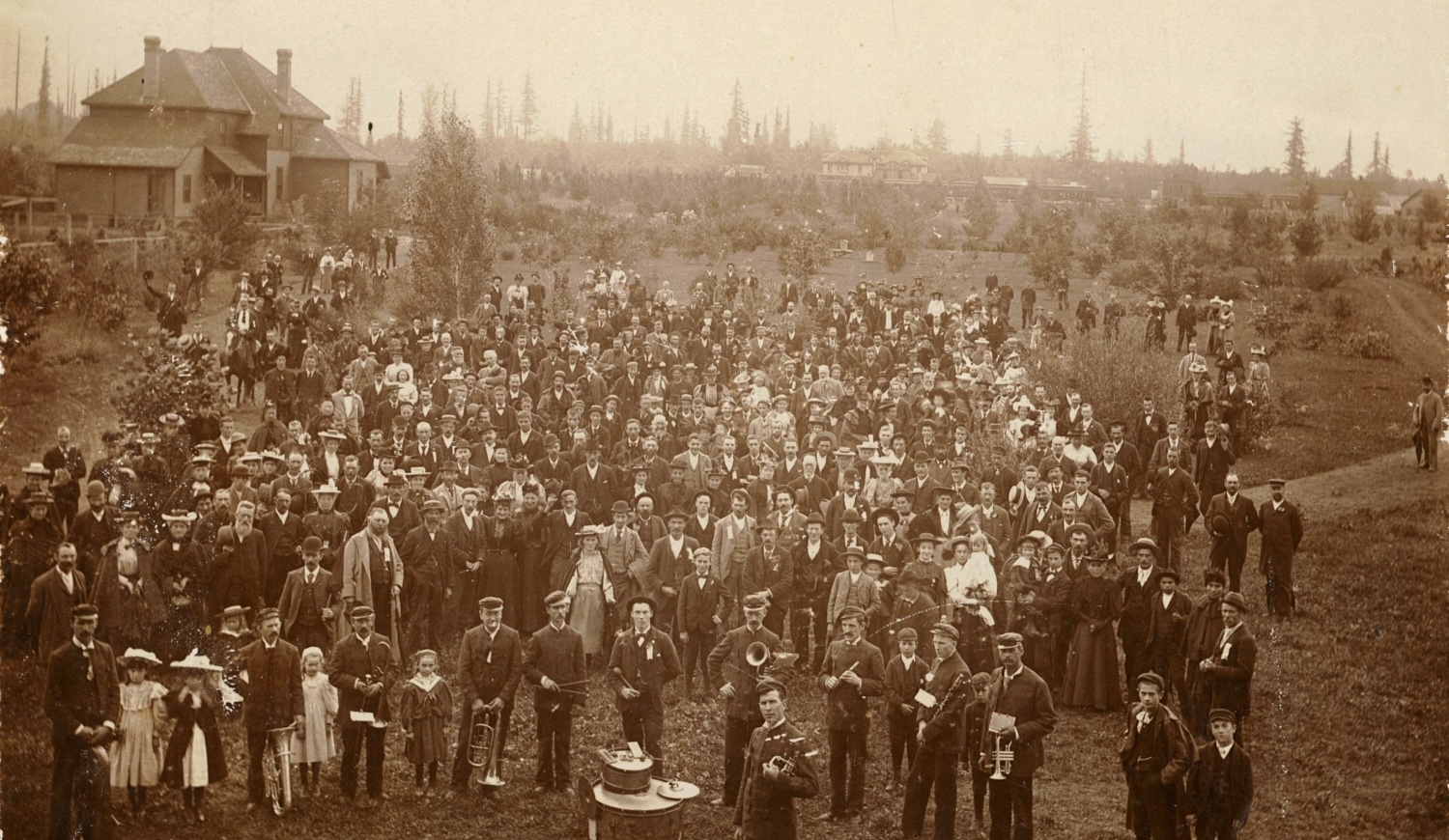
Bovine research continued throughout the century. Cattle associations in the Fraser Valley frequently held annual picnics and annual general meetings at the experimental farm property. Their members put much of the farm’s research into practice.
The experiment today
Today, the experimental farm looks and operates quite differently than it did 137 years ago. Although some historic buildings, including an old stone barn, are still standing, many have been replaced by more modern counterparts.
In 1997, the University of British Columbia took over dairy cattle research at the site, but studies are now focused particularly on animal welfare, reproduction, health and genomics. In 2000, construction started on a new $18-million facility that today forms the primary office, lab and crop processing space at the centre. New student housing was opened in 2015 so UBC students could live on the site in Agassiz.
Over the years, the experimental farm’s role in the community has diminished and it is no longer home to picnics and jamborees, although yearly open houses occasionally bring the public back.
The federal government has also grown less enthusiastic. In January, Deputy Agriculture Minister Lawrence Hanson wrote a memo revealing that the government planned to close seven research centres and satellite farms, including two of Canada’s five original Dominion experimental farms. The government later confirmed 665 positions would be cut across the country.
The Agassiz Research and Development Centre will not be affected by reductions to its scientific staff but some administrative positions will be cut, according to an Agriculture and Agri-Food Canada spokesperson.
In the field
For now, scientists and staff are still hard at work in Agassiz, ensconced in labs and greenhouses or working in the fields to improve Canadian agriculture. Recent research has focused on understanding how aphids transmit a devastating blueberry virus, whether drones can be used in pesticide applications, and if a newly introduced wasp will reduce invasive stinkbug populations.
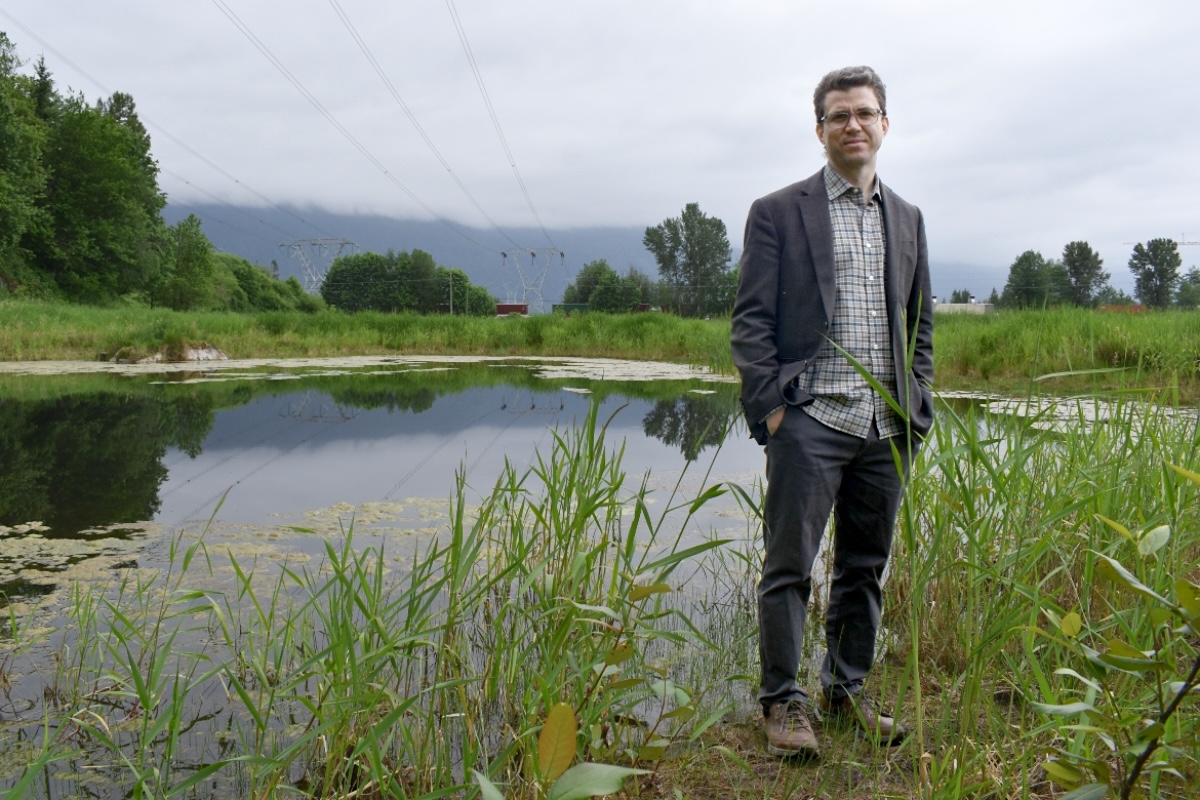
Ben Thomas is one of those researchers. A soil scientist who oversees research across several plots of land at the farm, he is currently leading a multi-year experiment to investigate hazelnut production when trees are allowed to grow like shrubs, rather than being forced into a tree shape.
He also built a wetland.
Thomas’s pond is tucked within fields in the experimental farm’s far eastern corner, where rainwater trickles down the mountainside into the plains. In 2022, Thomas’s team decided to try something new in the soggy section of land and dug two connecting ponds on the spot.
The resulting slough is partly practical — it has improved drainage in Thomas’s research space and can be pumped out when it gets too full — but it has also re-established a natural micro-ecosystem into a heavily modified environment. Previously absent cattails have sprung up around the edges of the ponds. In the spring, tadpoles fill the man-made wetlands. And one summer, a river otter arrived.
“I came out here to have a look, and there was something swimming in the water. I thought, What the heck is that?” Thomas said. “It was the strangest thing.”
The pond is not entirely like the farm’s traditional experiments that focus on tools to help farmers improve their yields. But it does reflect a changing relationship with the land, particularly in southwestern British Columbia.
Agricultural researchers tend to focus on explicitly practical research, Thomas said, standing beside his little wetland. But scientists also know research can create other types of benefits.
“There's this blue sky research that needs to take place for innovation to exist and discoveries to take place,” he continued.
The manufactured wetland is one example: a demonstration pond that shows how agriculture can both support biodiversity and control water, bringing more land into production while creating natural spaces for native species.
“There’s a bit of an applied aspect,” he said. “The economics need to make sense, but —” Thomas interrupted himself mid-sentence, his eyes focusing on something in the air.
“That’s a swallow, right?” He looked over at the little bird darting above the water. “You see how it's diving and just grabbing insects out of the air? That's quite something.”
He stood silent for a while, watching the bird conducting its aerial dance. Then it flew off, spreading its small wings over the trial plots at the experimental farm, leaving Thomas and his bit of “blue sky” science behind. ![[Tyee]](/design-article.thetyee.ca/ui/img/yellowblob.png)
Read more: Food, Science + Tech, Environment









Tyee Commenting Guidelines
Please note that email notifications for replies are not currently working due to a software issue which may be resolved in a future update.
Comments that violate guidelines risk being deleted, and violations may result in a temporary or permanent user ban. Maintain the spirit of good conversation to stay in the discussion and be patient with moderators. Comments are reviewed regularly but not in real time.
Do:
Do not: