


 SHARE:
A Canadian Human Rights Tribunal ruling that RCMP officers discriminated against several Indigenous witnesses during a major investigation may be the first of its kind, the lawyers who fought the case say.
Although the decision will bring a sense of closure to some complainants and their families, the lawyers and an advocate say the ruling didn’t go far enough to address systemic discrimination by the RCMP.
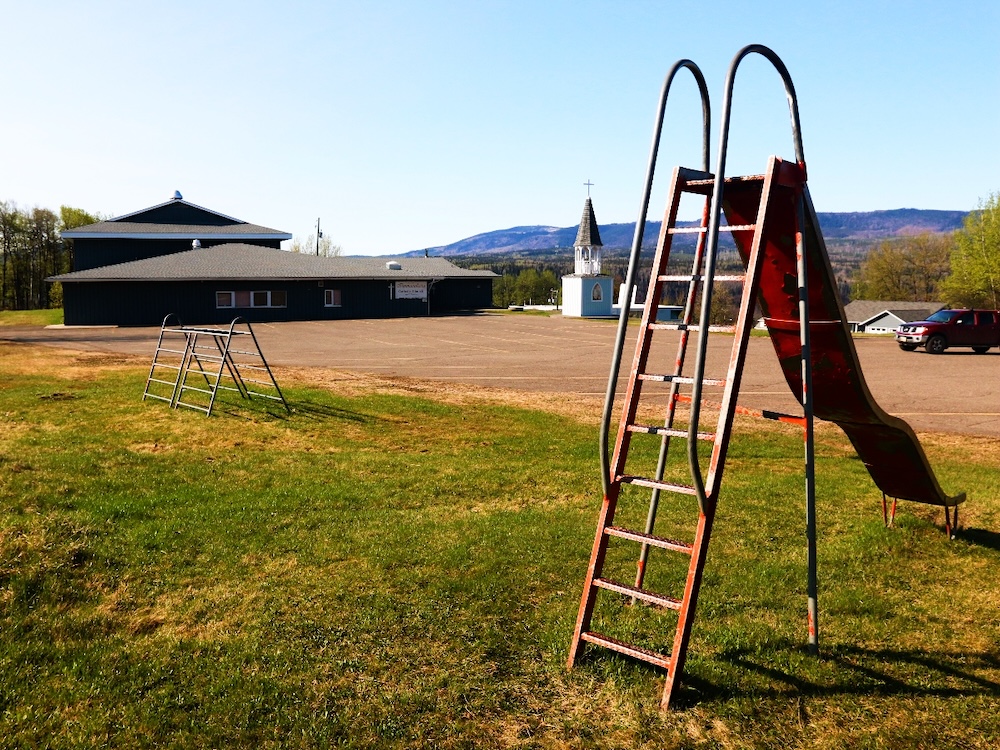
The investigation at the centre of the case involved several First Nations former students who alleged a range of serious abuse when they attended two northern B.C. schools in the 1960s and 1970s.
Last week, the tribunal ruled that police investigators discriminated when they failed to inform the complainants of their legal options or update them on their investigation. The tribunal also declared that an officer discriminated when he repeatedly asked a woman alleging sexual assault to take a lie detector test. The tribunal found the complainants’ Indigenous identity led to the behaviour of the RCMP officers.
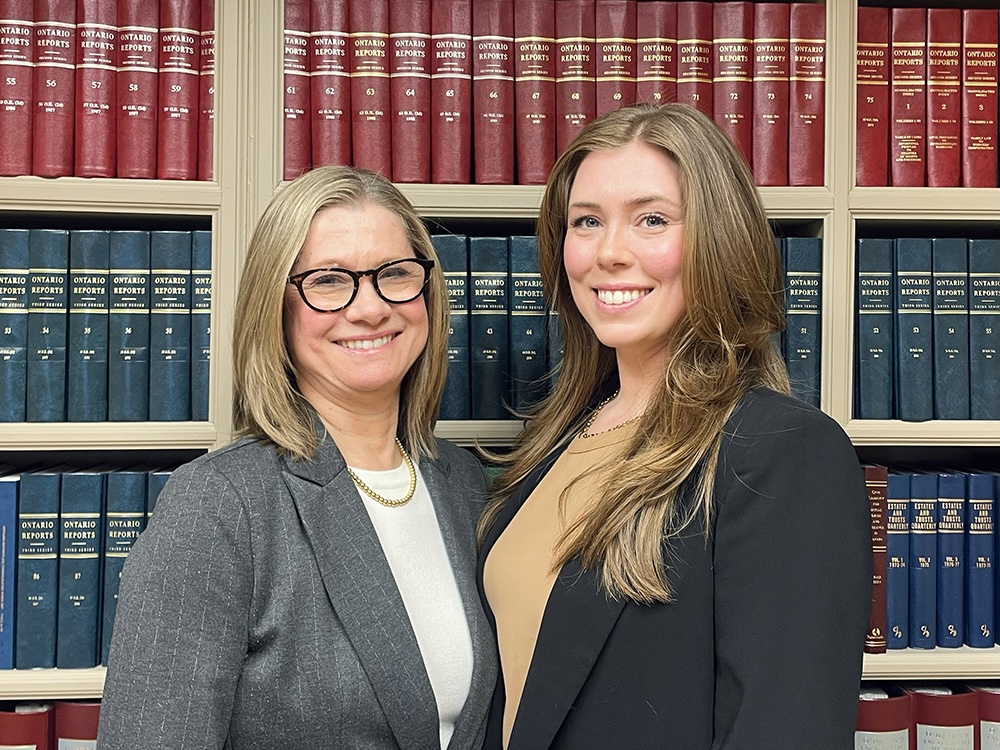
Karen Bellehumeur, one of the two lawyers representing the six complainants in the case, said that in her years of sifting through case law to prepare for the inquiry, she never found a ruling that determined police had discriminated against Indigenous complainants in an investigation.
“We would have found it in our research if there was another case, so I think this is probably the first,” said Bellehumeur. She said the case, legally known as Woodgate et al. v. RCMP, can inform future decisions.
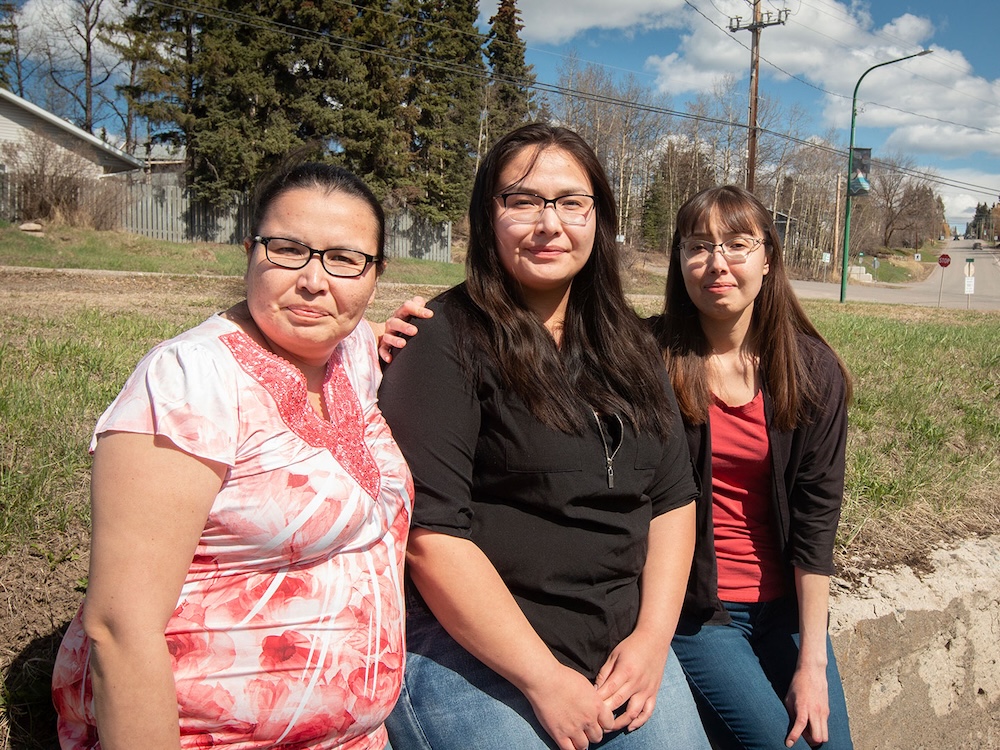
Six complainants, all members of Lake Babine First Nation, had alleged discrimination by the RCMP. The tribunal found discrimination against four complainants, and four other people who were witnesses in the investigation.
In her decision, Colleen Harrington, the tribunal member who heard the case, found that RCMP investigators had discriminated based on ethnicity by not advising eight witnesses about the investigation’s outcome and by not advising some that they could report their abuse separately.
Witnesses testified that they felt the RCMP’s failure to follow up meant they weren’t believed. But Harrington wrote that she “saw no evidence” that police investigators disbelieved the complainants’ stories of abuse.
She said she found the testimony of all the witnesses credible.
It was an important statement for the 15 former students who came forward to testify at the inquiry, Bellehumeur said.
“I’m pleased that the tribunal recognized that the RCMP’s discriminatory conduct during their investigation led to Indigenous people feeling disrespected, unheard and disbelieved,” she said. “That was a really important finding for us.”
But she added that First Nations’ mistrust of police and a lack of cultural safety within the force, including the RCMP’s failure to recognize its historic harms against Indigenous people, continue to pose barriers to Indigenous people seeking justice. For those reasons, she said she was disappointed the tribunal decision — which ultimately found that RCMP had conducted a “normal” investigation — didn’t go further in its findings.
“Our position was that, given the number of ways in which people experienced discrimination, this wasn’t a normal investigation,” Bellehumeur said. “It tainted the whole investigation.”
The decision stopped short of granting two significant remedies sought by the complainants. They had requested that there be an alternative to RCMP abuse investigations in Indigenous communities through the creation of community-led investigation teams and that the original allegations be reinvestigated by one of these teams.
Instead, Harrington ordered the RCMP to review its policies to ensure investigations are trauma-informed and culturally appropriate, and that the force report back to the tribunal on its findings within one year.
Bellehumeur said she fears that won’t adequately address the lack of trust in the justice system among Indigenous people and the resulting barriers to accessing police services.
“There’s some urgency in allowing Indigenous people access to justice in a way that they feel comfortable and aren't going to be retraumatized,” she said.
She added that the $7,500 in damages that was awarded to some — but not all — of the complainants and witnesses doesn’t reflect “the seriousness of the harm caused to these victims of childhood abuse who couldn't access justice.” The estates of two complainants who died waiting for the decision were among those parties awarded damages.
The complainants had asked for $20,000 in compensation for each Indigenous person who was abused while attending Prince George College or Immaculata Elementary School in Burns Lake.
The hearing, which began in May 2023 and continued intermittently until February 2024, examined the RCMP’s investigation into a “well-known Canadian” who had been accused of sexually, physically and emotionally abusing students while working as a physical education teacher at the schools in the late 1960s and early 1970s.
The man cannot be identified due to a confidentiality order issued by the tribunal in 2022. He is referred to by the tribunal as “A.B.”
The RCMP’s investigation into A.B. was launched in July 2012 after a woman reported he had sexually abused her when she was 11 years old and a student at Immaculata Elementary School. The investigation continued for 18 months and spawned a spinoff investigation into broader allegations of abuse at the school. The investigations concluded without charges.
Justice Department lawyers representing the RCMP told the tribunal that investigators spoke with 37 witnesses but determined there were insufficient grounds to recommend charges. The complainants argued that the investigation was racially biased and failed to consider First Nations’ historic distrust of the RCMP, while also favouring the powerful figure at the centre of the allegations.
The decision, which was expected in January 2025, was delivered more than a year after its deadline. Since the complaint was first filed in 2017, three of the six complainants have died while waiting for the outcome.
Decision brings ‘bittersweet’ closure for family
Cathy Woodgate, the named complainant in the inquiry, was among those who didn’t live to see the outcome of the human rights complaint she filed in 2017.
Woodgate died in September 2021 from muscular dystrophy, a degenerative muscle disorder that had plagued her since childhood. Once a student at Immaculata school, Woodgate would later tell her children about the gym teacher who hit her with basketballs and yardsticks when she struggled with physical activity.
She also took her story to the police. Woodgate reported the alleged abuse to the Burns Lake RCMP detachment in October 2012, three months after police opened an investigation into A.B. The RCMP had also obtained an affidavit she had previously provided to a journalist who reported on the allegations.
But when police did not question her further or update her on the investigation, “she did not think the RCMP would take her abuse allegations seriously,” Harrington wrote in the decision.
As a result, Woodgate is among the eight people awarded compensation from the RCMP. The money will go to her estate.
In a statement, Woodgate’s children — Gerald Woodgate, Chelsea Hiebert, Katelyn Woodgate and Katrina Woodgate — said their family is grateful for the decision, which they said “brings a bittersweet sense of closure.”
The family said they “strongly support” the tribunal’s recommendation that the RCMP review its policies, practices, procedures and training related to the treatment of Indigenous people to ensure investigations are trauma-informed and culturally appropriate.
“As we move forward with this sense of closure, we hope that our late mother’s experience will contribute to meaningful change,” they wrote.
The complainants had argued that police discriminated not only in their interactions with witnesses but also in their failure to contact some witnesses who were named in media reports or civil lawsuits that followed reporting on the initial allegations.
They said that investigators should have accounted for First Nations’ historic fear and distrust of the RCMP by modifying traditional investigative methods that rely on witnesses coming forward to police.
But Harrington did not find that investigators’ failure to contact some witnesses amounted to discrimination. As a result, one surviving complainant and the estate of one complainant who died before the complaint was heard will not receive compensation.
Bellehumeur said the exclusion of some complainants was disappointing.
“It was a unique argument for discrimination by omission, which is a more challenging argument,” she said.
In an initial emailed statement to The Tyee, RCMP media relations officer Marie-Eve Breton said the force was reviewing the decision to determine next steps. She said the RCMP had no further comment “and will share its position when appropriate.”
In a subsequent email, Breton added that, as it reviews the decision, “the RCMP will ensure that our policies continue to support investigations of historical abuse involving Indigenous Peoples in a trauma-informed and culturally appropriate manner.”
“The RCMP continues to work with Indigenous communities to build meaningful, long-lasting and impactful actions into our everyday work,” Breton wrote. “Recognizing that reconciliation is a long-term commitment that requires many participants, the RCMP will continue to engage with partners and Indigenous Peoples to advance specific policies, procedures and processes.”
Judith Sayers says findings fall short
Judith Sayers, who also goes by the name Cloy-e-iis and is a director with the BC First Nations Justice Council, said the RCMP should have already been reviewing its policies to align with reconciliation. She also noted that Harrington’s decision didn’t require First Nations’ involvement in the review.
“We've been asking them for trauma-informed, culturally sensitive policing for how many years. What has really changed?” she said. “They can have the best regulations in place, and there will still be some people that have that bias in them that are going to treat our people that way.”
The inquiry was prolonged in part to allow Harrington to hear evidence about the complainants’ request that the RCMP divest itself of abuse investigations in Indigenous communities.
Sayers and two of her colleagues testified in November 2023 about work that was already underway to develop alternative investigative teams in First Nations communities. The lawyers argued that a hybrid model, or teams that included community members as well as one police officer, could provide an initial path forward, with the eventual goal being complete Indigenous justice sovereignty.
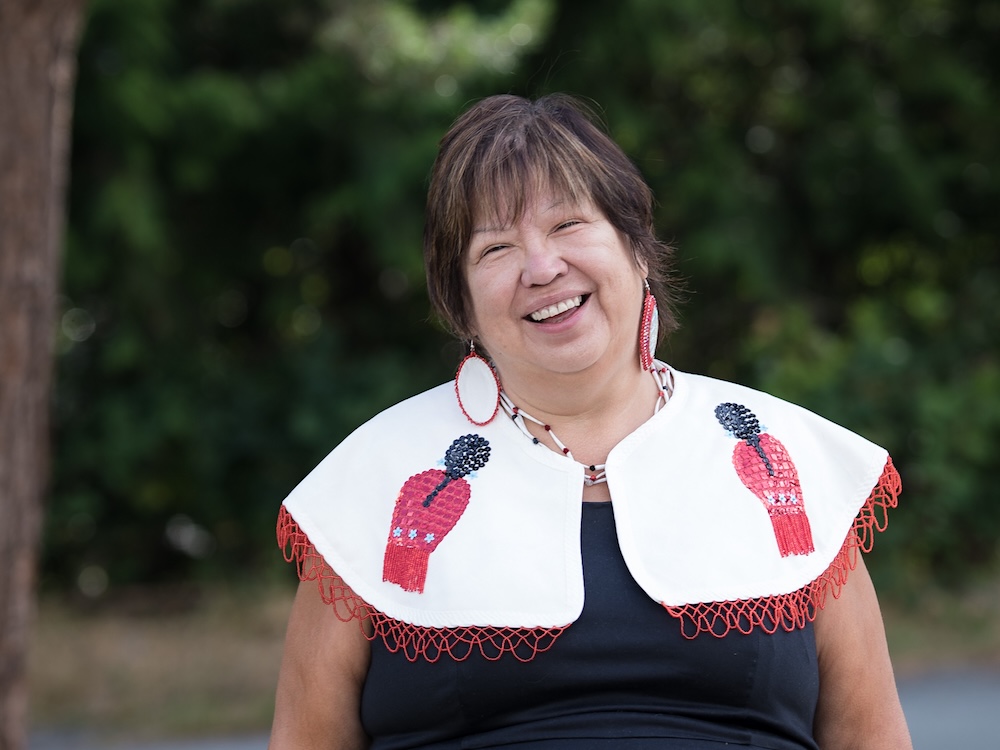
Sayers, who is also president of the Nuu-chah-nulth Tribal Council, told the tribunal that the proposed remedy aligns with work already underway to bring the justice system in line with B.C.’s Declaration on the Rights of Indigenous Peoples Act.
The proposal attracted the attention of the provincial government, which oversees policing in B.C. In September 2023, the B.C. attorney general’s office submitted an 11th-hour application to join the hearings and present evidence.
It was granted “limited interested person status,” and staff from B.C.’s Public Safety Ministry later testified about work already underway to reform the Police Act. Those changes came in response to recommendations tabled to the provincial government in 2022 by a special committee on police reform. They included a recommendation that the province transition away from the RCMP.
During the hearing, the tribunal heard that progress on implementing the recommendations had stalled. As of last year, the province had not yet implemented substantial changes flowing from the recommendations to reform the Police Act.
Despite the lack of progress, the attorney general’s office wrote in its closing submission to the tribunal in June 2024 that “significant progress is being made” in police reform. It cautioned the tribunal against “making an order that would affect the province’s exclusive constitutional jurisdiction over the administration of justice in B.C.”
Sayers said she was “shocked” that Harrington would accept the province’s submission, given evidence to the contrary. She said work to reform the Police Act is ongoing, “but it’s really slow.”
In an emailed statement, B.C.’s Public Safety Ministry said it is reviewing the decision and that policing and public safety “continue to be key areas of focus for the province.”
It said the provincial government has “advanced multiple legislative initiatives to address long-standing challenges in the policing and public safety landscape,” including new policing standards in 2023 and standards for sexual assault investigations the following year.
“We believe all British Columbians deserve to live in safe and vibrant communities that are protected by professional and responsive policing services,” a spokesperson wrote. “Even with these important enhancements to police standards now in place, the ministry is continuing to work with Indigenous partners to find opportunities for eliminating potential bias in policing and ensure services are delivered in a culturally appropriate manner.”
Sayers noted that the BC First Nations Justice Council has opened 16 Indigenous Justice Centres across the province in recent years, including one in Burns Lake, and one virtual centre. They offer culturally appropriate support to Indigenous people involved in the justice system. But she added that they have recently been subject to funding cuts.
“It’s awesome that we have all these offices now and that we're able to support First Nations people,” she said. “We need more core funding to be able to carry out all the things that we really want to do.”
She said that, despite the limited changes ordered by the tribunal and the “paltry” compensation provided to some witnesses, the tribunal decision provides an “incremental step” toward better relations between the RCMP and Indigenous people.
“I’m glad that she did find some discrimination, although sometimes I really wonder if they understand how it impacted our people,” she said. “We really need another investigative body that can do these investigations.”
The lawyers for the complainants say they are focusing on the positives — and the incremental advances that they believe will lead to a more equitable justice system.
“I like to just find those nuggets and highlight them and meditate on those a little bit and think about what could come from that,” said Angie Bellehumeur, Karen Bellehumeur’s daughter and co-counsel in the case.
Karen Bellehumeur recalled “some beautiful moments” during the hearing, including when a Wet’suwet’en witness testified while surrounded by women from her community. She described the inquiry as a “life-changing experience.”
“We’re really grateful for having met my clients in the community in Burns Lake,” she said. “We met some wonderful people. We learned about cultural practices and traditions that were just beautiful. I’m grateful to have had that experience.”
We have closed comments for this story due to the legal situation in relation to the piece. Thanks for your understanding. ![[Tyee]](/design-article.thetyee.ca/ui/img/yellowblob.png)
Read more: Indigenous, Rights + Justice



Tyee Commenting Guidelines
Please note that email notifications for replies are not currently working due to a software issue which may be resolved in a future update.
Comments that violate guidelines risk being deleted, and violations may result in a temporary or permanent user ban. Maintain the spirit of good conversation to stay in the discussion and be patient with moderators. Comments are reviewed regularly but not in real time.
Do:
Do not: