

 SHARE:
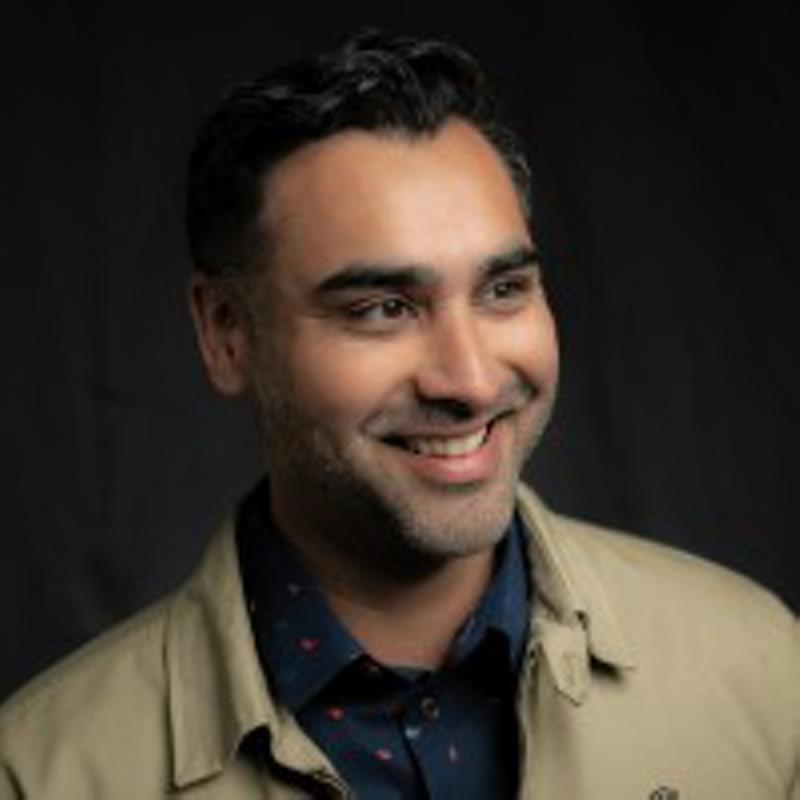
When Inder Nirwan was little, he visited Science World and was mesmerized by “the building of the future.”
He wasn’t the only kid growing up around Vancouver struck by the big silver ball rising above False Creek. Built for Expo 86 in the mid-1980s, the structure was meant to grab the eye and the imagination — but it wasn’t designed to stick around for decades. The plan was to tear it down after the fair.
Instead, it was adopted in 1987 by Science World, a non-profit organization. And over the next four decades, the geodesic dome became a landmark in Vancouver.
But as the years went by, an uncomfortable fact became clear. If science was key to tackling the climate crisis, Science World was not setting the best example. So lately it’s been getting a multimillion-dollar overhaul to deeply cut its emissions footprint.
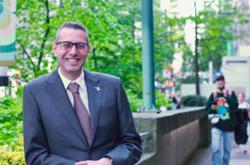
Learn what that entails by following the team in charge in this short video created by Nirwan for The Tyee’s What Works series.
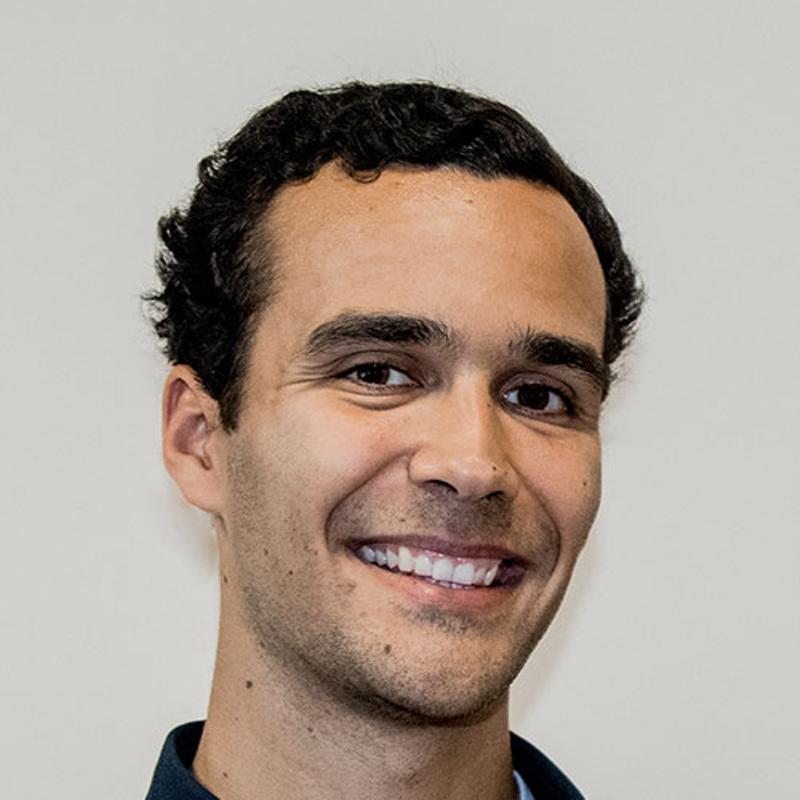
SES Consulting, a Vancouver-based company that specializes in reducing carbon emissions in buildings, was tasked with the Science World retrofit in 2021. Scott Sinclair, the company’s CEO, explains in the video how additions including insulation, heat pumps and a solar panel will help bring about a target 80 per cent reduction in greenhouse gas emissions at the site.
The work is an example of a growing industry in the Pacific Northwest.
Across the bioregion, cities are looking for ways to reduce carbon emissions from existing structures like city-owned buildings, school districts and heritage homes. (In Metro Vancouver alone, roughly 26 per cent of greenhouse gas emissions come from the built environment.)
Seattle and San Francisco both recently pledged to reduce emissions in their own built environments.
The Science World project is a prime example of how to prevent older buildings from being torn down by instead integrating green technology. Every building that remains intact means fewer materials mined and manufactured to construct a new one, explained Joanne Sawatzky, managing director of regenerative built environments at Light House, in the video.
The transformation of Science World is well along — but that doesn’t mean the average visitor will immediately notice. To understand the big, largely hidden science experiment that Science World is close to finishing, follow Inder Nirwan’s exploration in this seven-minute clip.
This video runs in a section of The Tyee called ‘What Works: The Business of a Healthy Bioregion,’ where you’ll find profiles of people creating the low-carbon, regenerative economy we need from Alaska to central California. Find out more about this project and its funders, Magic Canoe and the Salmon Nation Trust. ![[Tyee]](/design-article.thetyee.ca/ui/img/yellowblob.png)
Read more: Environment, Urban Planning

Tyee Commenting Guidelines
Please note that email notifications for replies are not currently working due to a software issue which may be resolved in a future update.
Comments that violate guidelines risk being deleted, and violations may result in a temporary or permanent user ban. Maintain the spirit of good conversation to stay in the discussion and be patient with moderators. Comments are reviewed regularly but not in real time.
Do:
Do not: